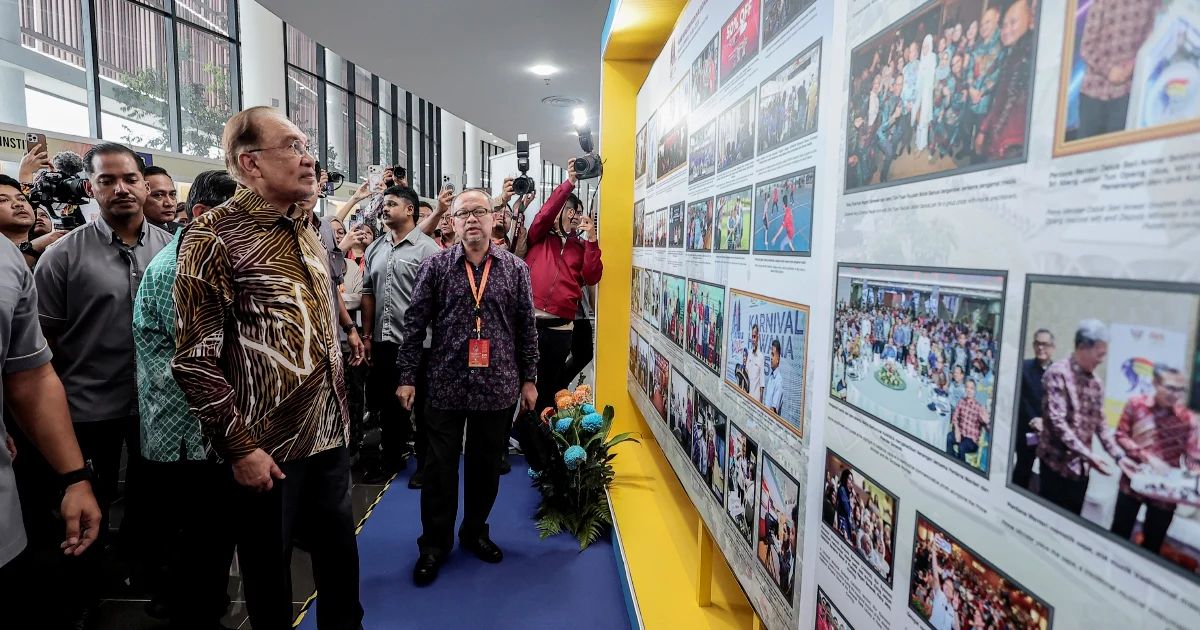
Prime Minister Datuk Seri Anwar Ibrahim has pledged RM1 million in funding to Tabung Kasih@Hawana 2026, a welfare initiative designed to support journalists in Malaysia. The announcement, made at an event in Permatang Pauh, reflects the government's continued emphasis on strengthening the media sector as it grapples with technological change and evolving business models.
The allocation represents a significant gesture toward the journalism community at a time when newsrooms across the country face mounting financial pressures. The digital transformation of media consumption has disrupted traditional revenue streams, forcing publishers to restructure operations and reduce headcount in many cases. By earmarking funds specifically for journalist welfare, the government signals recognition of the profession's economic vulnerability and its importance to society.
Tabung Kasih@Hawana 2026 functions as a targeted support mechanism for media practitioners experiencing hardship or career challenges. Such welfare funds have become increasingly vital as the industry undergoes rapid consolidation and restructuring. Many journalists have seen salaries stagnate or decline in real terms over the past decade, while job security has become less certain. The welfare component helps bridge gaps when individual hardship circumstances arise, whether through illness, redundancy, or other unforeseen crises.
Anwar's commitment extends beyond immediate financial relief. The Prime Minister indicated that the government intends to sustain initiatives aimed at broader transformation of Malaysia's media landscape. This dual approach suggests a recognition that journalists require both immediate support and structural transformation to ensure the sector's long-term viability. Transformation efforts typically encompass skills development, technological adaptation, and business model innovation across newsrooms.
The media industry in Malaysia operates within a complex environment shaped by regulatory oversight, commercial competition, and audience fragmentation. Traditional press outlets compete with digital-native news platforms, social media networks, and international news sources for audience attention and advertising revenue. This fragmentation has compressed already-thin profit margins in many newsrooms, making welfare provisions increasingly important for staff retention and morale.
Government support for media welfare also carries implications for press freedom and editorial independence. While welfare provisions are ostensibly non-partisan, they reflect a government's broader relationship with the Fourth Estate. Malaysia's media landscape has historically featured substantial state ownership and influence, and welfare initiatives can be understood as part of the broader ecosystem within which journalism operates. Analysts have noted that government engagement with media welfare should ideally occur alongside robust protections for editorial autonomy.
The Hawana initiative places Malaysia within an international context where governments increasingly acknowledge their stake in media sustainability. Newsroom revenues have contracted globally as advertising shifted to technology platforms, forcing policymakers to consider how journalism serves the public interest. Some jurisdictions have introduced direct subsidies, tax incentives, or collective bargaining frameworks to support publishers and journalists. Malaysia's welfare fund approach represents a more modest intervention than some comparable measures elsewhere.
For Malaysian journalists, the practical benefits of the RM1 million allocation will likely reach a relatively limited cohort given the fund's coverage area. However, symbolic recognition of the profession's struggles carries value beyond direct financial disbursement. Industry morale has suffered amid redundancies, wage freezes, and reduced resources across major newsrooms. Government acknowledgment that these pressures constitute a welfare concern validates journalists' experiences and may encourage broader recognition of media industry challenges among policymakers and the public.
The timing of the announcement also warrants attention. Malaysia approaches an era of significant technological and political transition. Artificial intelligence, digital publishing platforms, and changing consumer preferences will reshape news production and distribution. By investing in journalist welfare now, the government positions itself as a stakeholder in navigating these transitions smoothly. The media industry's capacity to adapt depends partly on its ability to retain experienced professionals and attract new talent, both of which require reasonable compensation and employment security.
Anwar's broader commitment to media transformation initiatives signals that the RM1 million welfare allocation forms part of a larger strategic vision. Transformation likely encompasses training programmes, infrastructure investment, and policy reforms designed to strengthen Malaysian journalism. These could include digital skills development, investigative journalism funding, or public broadcasting enhancements. The holistic approach recognises that sustainable journalism requires more than short-term welfare provisions.
The announcement also reflects Malaysia's position as a regional media hub. The country hosts numerous news organisations serving Southeast Asian audiences and international outlets covering the region. Supporting local journalists and media infrastructure strengthens Malaysia's role in the broader Asian media ecosystem. Robust, professional journalism serves not only domestic audiences but also strengthens regional information flows and journalistic standards across Southeast Asia.
Moving forward, observers will track how comprehensively the RM1 million reaches intended beneficiaries and whether additional transformation initiatives materialise. The sustainability of welfare provisions depends on consistent government commitment as budgetary pressures evolve. Industry bodies and journalist associations will likely advocate for expanded support, while policymakers will balance welfare concerns against competing budget priorities. The outcome will shape Malaysia's media landscape trajectory over the coming years.
%22%2F%3E%3C%2Fpattern%3E%3C%2Fdefs%3E%3Crect%20width%3D%22100%25%22%20height%3D%22100%25%22%20fill%3D%22url(%23ph6xupg)%22%2F%3E%3Crect%20width%3D%22100%25%22%20height%3D%22100%25%22%20fill%3D%22url(%23ph6xupp)%22%2F%3E%3Ctext%20x%3D%2250%25%22%20y%3D%2250%25%22%20text-anchor%3D%22middle%22%20dominant-baseline%3D%22central%22%20fill%3D%22rgba(255%2C255%2C255%2C0.95)%22%20font-family%3D%22Georgia%2C%20'Times%20New%20Roman'%2C%20serif%22%20font-weight%3D%22700%22%20font-size%3D%22170%22%20letter-spacing%3D%22-0.02em%22%3EMalaysia%3C%2Ftext%3E%3C%2Fsvg%3E)
%22%2F%3E%3C%2Fpattern%3E%3C%2Fdefs%3E%3Crect%20width%3D%22100%25%22%20height%3D%22100%25%22%20fill%3D%22url(%23ph6450g)%22%2F%3E%3Crect%20width%3D%22100%25%22%20height%3D%22100%25%22%20fill%3D%22url(%23ph6450p)%22%2F%3E%3Ctext%20x%3D%2250%25%22%20y%3D%2250%25%22%20text-anchor%3D%22middle%22%20dominant-baseline%3D%22central%22%20fill%3D%22rgba(255%2C255%2C255%2C0.95)%22%20font-family%3D%22Georgia%2C%20'Times%20New%20Roman'%2C%20serif%22%20font-weight%3D%22700%22%20font-size%3D%22136%22%20letter-spacing%3D%22-0.02em%22%3EGovernment%3C%2Ftext%3E%3C%2Fsvg%3E)
%22%2F%3E%3C%2Fpattern%3E%3C%2Fdefs%3E%3Crect%20width%3D%22100%25%22%20height%3D%22100%25%22%20fill%3D%22url(%23ph2ojpsg)%22%2F%3E%3Crect%20width%3D%22100%25%22%20height%3D%22100%25%22%20fill%3D%22url(%23ph2ojpsp)%22%2F%3E%3Ctext%20x%3D%2250%25%22%20y%3D%2250%25%22%20text-anchor%3D%22middle%22%20dominant-baseline%3D%22central%22%20fill%3D%22rgba(255%2C255%2C255%2C0.95)%22%20font-family%3D%22Georgia%2C%20'Times%20New%20Roman'%2C%20serif%22%20font-weight%3D%22700%22%20font-size%3D%22194%22%20letter-spacing%3D%22-0.02em%22%3EBercham%3C%2Ftext%3E%3C%2Fsvg%3E)