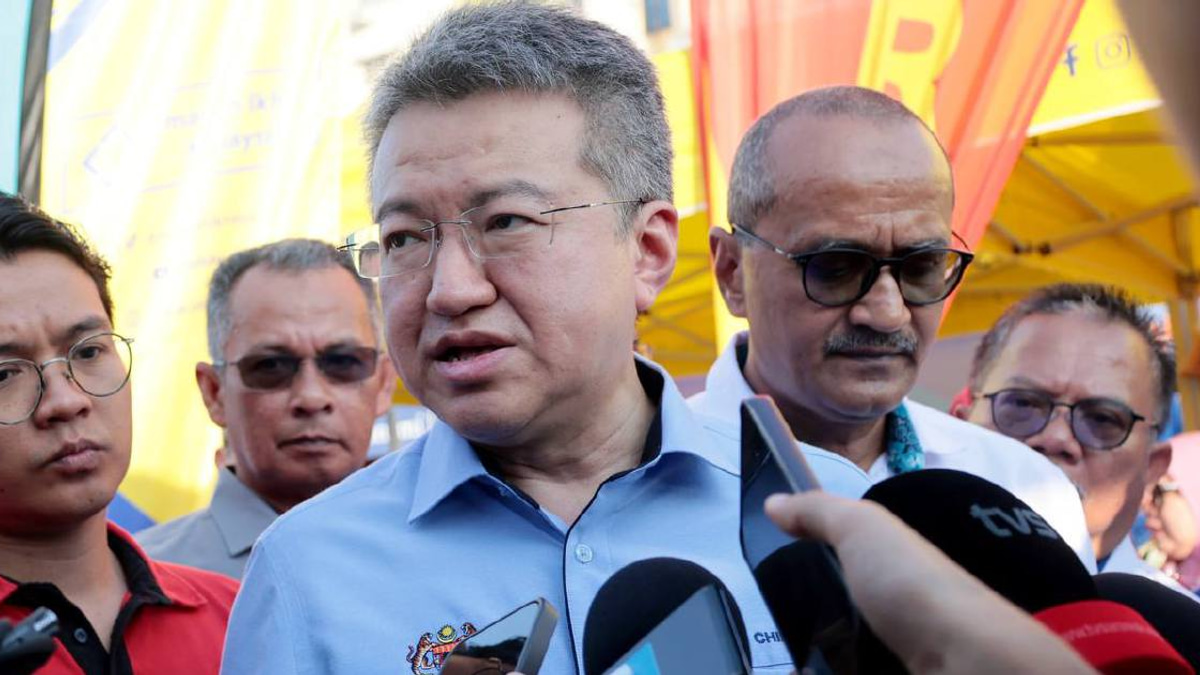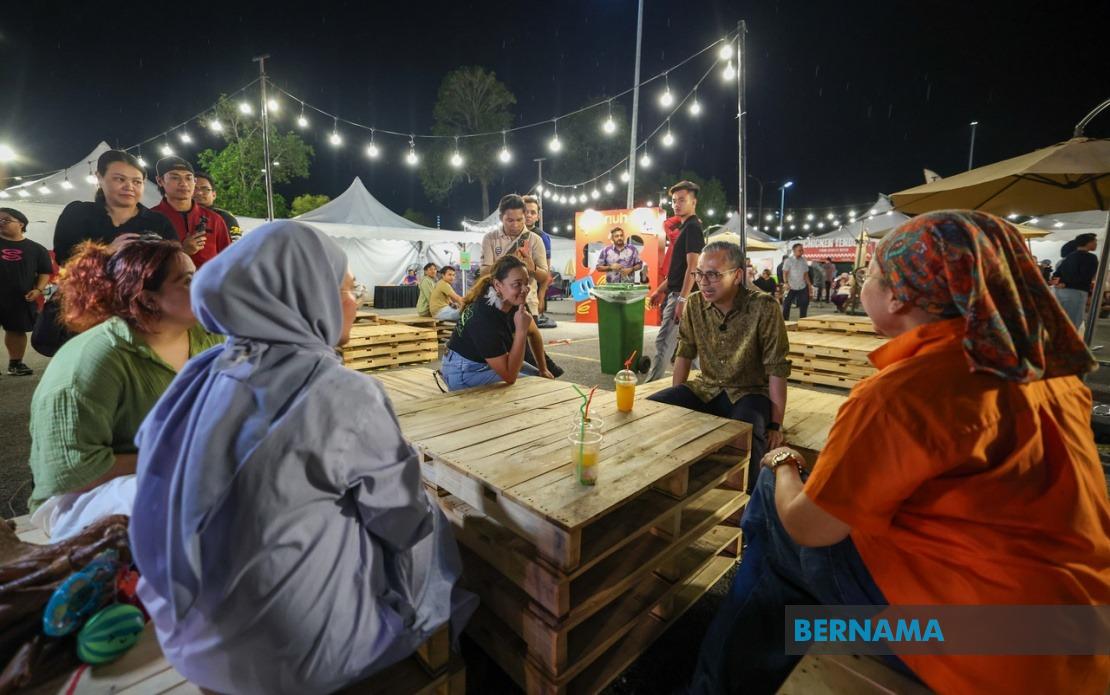
Communications Minister Datuk Fahmi Fadzil has expressed satisfaction with the reception accorded to the RIUH Pi HAWANA carnival, highlighting its effectiveness as a showcase for Malaysia's burgeoning creative sector and emerging entrepreneurial ventures. Speaking at the event held at PICCA Convention Centre @ Butterworth Arena on June 19, Fahmi underscored the carnival's dual significance as both a cultural platform and a business opportunity for local talent seeking exposure to wider audiences.
The carnival, running through Sunday in conjunction with National Journalists' Day (HAWANA) 2026, has successfully drawn public attendance whilst creating meaningful interaction opportunities between performers spanning different career stages. Fahmi observed that the programme had succeeded in bringing together both established and up-and-coming artistes, creating an environment where generational exchange could occur naturally through live performance and audience engagement.
Organised by MyCreative Ventures, the carnival has assembled an impressive roster of participating stakeholders. The event features contributions from more than 24 local creative brands alongside 20 food and beverage vendors, offering visitors a multifaceted experience extending beyond entertainment. The inclusion of 18 live performances—headlined by acts such as Exists, Bunkface, Masdo, Sakura Band, Fugo, Budak Nakal Hujung Simpang and Chelsia Ng—demonstrates a deliberate curation mixing commercially established names with emerging local talent seeking breakthrough opportunities.
Beyond musical performances, the carnival incorporates interactive workshops designed to provide hands-on exposure to various creative disciplines. This educational component distinguishes the event from conventional entertainment festivals, positioning it as a genuine gateway for public participation in Malaysia's creative economy rather than mere passive consumption. Fahmi's emphasis on these workshops reflects growing governmental interest in nurturing creative sector participation among diverse demographic segments.
The minister's call for expanded public visitation, particularly among Penang residents, carries strategic importance for regional cultural development. By directing attention to the carnival's remaining days, Fahmi sought to maximise attendance figures whilst underscoring the government's commitment to supporting creative entrepreneurship at the grassroots level. His remarks position the event as worthy of public investment of time and resources during the weekend period.
Fahmi's advocacy for recurring carnival programming alongside future HAWANA celebrations suggests institutional recognition of the model's effectiveness. Rather than treating the carnival as a one-off celebration, the minister's proposal conceptualises it as a sustainable platform capable of expanding opportunities for local entrepreneurs to reach consumers directly. This forward-looking stance reflects evolving government policy toward creative sector support, moving beyond passive acknowledgment toward active infrastructure development.
The HAWANA observance itself, introduced in 2018 and organised by the Communications Ministry with the Malaysian National News Agency (Bernama) as implementing agency, provides the institutional framework enabling such cultural initiatives. By anchoring the carnival to this annual commemoration of the journalism profession, organisers have created logical programming continuity whilst linking creative sector development to media and communications priorities.
For Malaysian creative industries broadly, the carnival represents a tangible demonstration of governmental backing for the sector's commercialisation and audience development. The participation of established acts alongside debut performers sends a clear signal that the creative economy encompasses both established professionals and emerging talent worthy of public platform access. This inclusive approach may encourage greater investment in creative pursuits among younger Malaysians whilst validating existing practitioners' career choices.
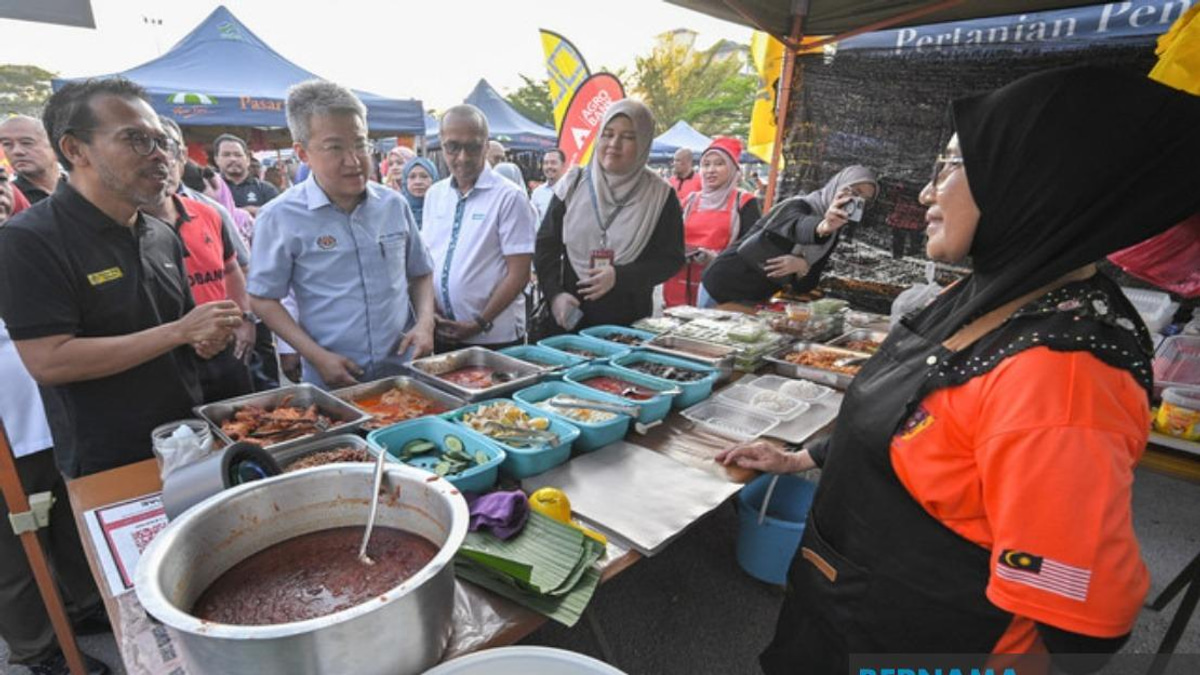
The presence of food and beverage vendors alongside creative brand exhibitions reflects the carnival's function as a comprehensive lifestyle event rather than a narrowly-focused entertainment programme. This integration recognises contemporary consumer preferences for multi-sensory experiential engagement, where dining, shopping, and entertainment occur within unified spaces. For participating vendors and brands, the carnival provides concentrated access to potentially high-value consumer audiences already predisposed toward cultural activities and experiential spending.
Penang's selection as the 2026 carnival host carries regional implications for creative sector distribution beyond Klang Valley concentration. By situating this event in Butterworth, organisers acknowledge growing creative activity in northern regions whilst providing tangible infrastructure support for local creative practitioners. This geographic diversification may catalyse greater creative sector participation and investment in secondary cities, addressing longstanding concerns about cultural and economic centralisation in Malaysia's development trajectory.
The carnival's success in attracting meaningful public attendance during its opening period suggests receptiveness among Malaysian audiences toward experiential cultural programming combining performance, commerce, and interactive participation. This positive reception validates investment in such initiatives and may encourage government agencies and private sector partners to replicate similar models in other regions and contexts.
Moving forward, Fahmi's explicit endorsement and calls for enhanced public participation provide political momentum for expanded support for similar creative platforms. The minister's framing of the carnival as both cultural achievement and entrepreneurial opportunity reflects sophisticated understanding of creative industries' multifaceted value proposition—simultaneously advancing cultural objectives whilst generating economic activity and commercial opportunity for participating stakeholders at all levels.
%22%2F%3E%3C%2Fpattern%3E%3C%2Fdefs%3E%3Crect%20width%3D%22100%25%22%20height%3D%22100%25%22%20fill%3D%22url(%23ph3x05qg)%22%2F%3E%3Crect%20width%3D%22100%25%22%20height%3D%22100%25%22%20fill%3D%22url(%23ph3x05qp)%22%2F%3E%3Ctext%20x%3D%2250%25%22%20y%3D%2250%25%22%20text-anchor%3D%22middle%22%20dominant-baseline%3D%22central%22%20fill%3D%22rgba(255%2C255%2C255%2C0.95)%22%20font-family%3D%22Georgia%2C%20'Times%20New%20Roman'%2C%20serif%22%20font-weight%3D%22700%22%20font-size%3D%22272%22%20letter-spacing%3D%22-0.02em%22%3EAnwar%3C%2Ftext%3E%3C%2Fsvg%3E)