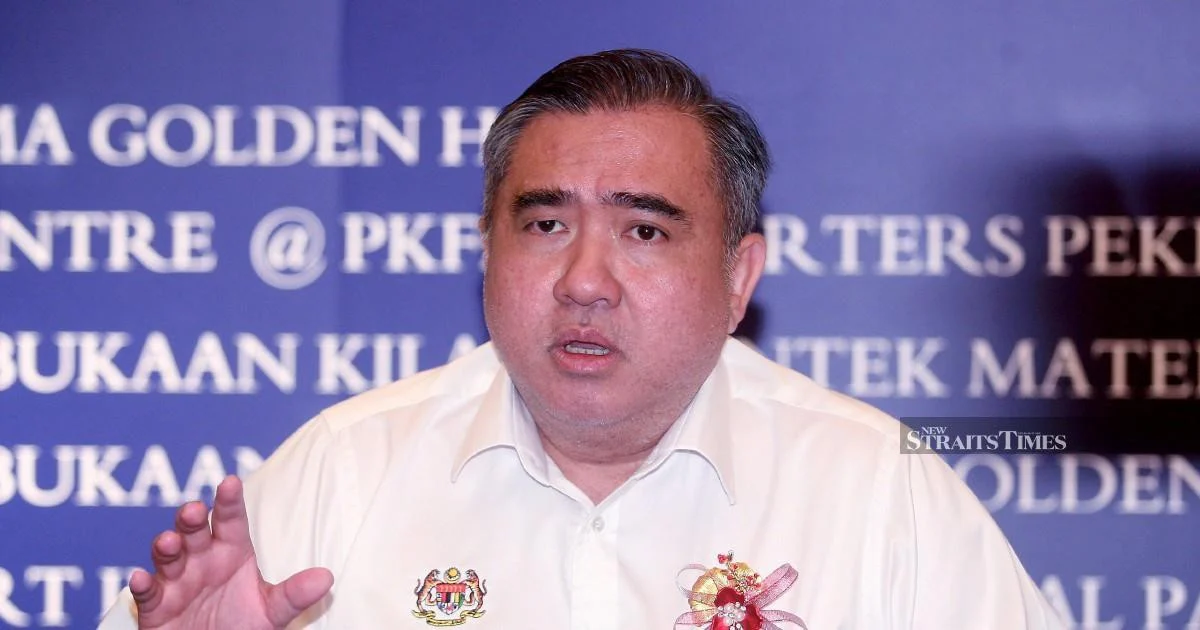
The Democratic Action Party is set to formally unveil its candidates for the upcoming Johor state election at an event in Kluang tonight, marking a significant milestone in the party's campaign preparations for the crucial southern peninsula poll. The announcement comes as political activity in Johor intensifies ahead of the state assembly elections, with rival coalitions and independent candidates positioning themselves for what many analysts expect to be a closely contested contest.
The timing of DAP's candidate announcement reflects broader dynamics within Malaysia's political landscape, where the Democratic Action Party has been strengthening its presence across traditional strongholds and new constituencies. As one of the major components within the Pakatan Harapan coalition, DAP's performance in Johor carries significance not only for its own electoral fortunes but also for the broader opposition alliance's ability to challenge the ruling structures at state level.
Johor, Malaysia's second-largest state by population and a crucial economic engine for the nation, has long been a competitive political battleground. The state's mixed demographic composition—with significant Malay-Muslim, Chinese, and Indian communities—requires political parties to build diverse coalitions and develop inclusive policy platforms. DAP's candidate selection process would have involved careful consideration of these demographic realities and the party's existing grassroots networks across urban and semi-urban areas where the party has built substantial support.
The formal unveiling of candidates serves multiple strategic purposes for DAP. It demonstrates organisational readiness, signals commitment to electoral participation, and allows the party to frame its political messaging around the individuals and policy priorities it believes will resonate with Johor voters. The event provides media opportunity to highlight the backgrounds, qualifications, and visions of selected candidates, helping to build public familiarity and support prior to official campaign periods.
For Malaysian voters and observers, candidate announcements offer important information about how parties are approaching representation and diversity. The composition of DAP's slate—considering factors such as experience, demographic representation, and geographic distribution across constituencies—provides insight into the party's strategic calculations about which seats are winnable, which require strong incumbents or new faces, and how the party intends to expand its electoral footprint.
Johor's political landscape has undergone significant shifts in recent years, with voters demonstrating willingness to evaluate alternatives to long-established political arrangements. The state has been a focal point for coalition-building efforts, with various combinations of parties attempting to craft compelling alternatives. DAP's participation in Johor elections reflects the party's broader Malaysia-wide presence and its integration into broader opposition coalitions aimed at offering voters meaningful electoral choices.
The Kluang venue itself carries symbolic weight, representing DAP's presence in constituencies across Johor's diverse regions. By announcing candidates in this location rather than a major urban centre like Johor Bahru, the party signals attention to communities beyond the state capital and demonstrates engagement with voters across different parts of the state.
For Southeast Asian observers, DAP's electoral activities in Johor illustrate ongoing patterns of democratic competition within Malaysia's federal system. State-level elections provide important testing grounds where political parties refine their messages, test policy platforms, and build momentum for federal-level contests. The outcomes in Johor can influence broader national political trajectories and demonstrate shifting voter preferences across regions.
The period leading up to state elections typically sees increased political activity as parties mobilise supporters, conduct grassroots outreach, and attempt to shape public discourse around issues most likely to benefit their electoral chances. DAP's candidate announcement represents one important marker in this broader campaign season, signalling the party's transition from internal planning and candidate selection to public engagement with voters.
As Johor moves toward its state election, the composition and presentation of candidates from all competing parties will significantly influence how voters perceive their electoral options. DAP's decisions regarding which individuals represent the party in which constituencies will reflect both party strategy and the broader competitive environment. The candidates selected will be expected to champion party policies while also responding to localised community concerns and constituency-specific issues.
The Malaysian political system's structure, which reserves certain parliamentary seats and state assembly seats for candidates of Bumiputera status, also shapes party strategies in state elections. DAP's candidate selection in Johor would necessarily account for these constitutional requirements while attempting to field the strongest possible team across available seats and to appeal to the state's ethnically diverse electorate across urban centres, suburbs, and smaller towns.
Successful electoral performance in Johor has historically provided parties with valuable platforms for influence at national level, making state elections far more significant than their local character might suggest. The candidates unveiled tonight will carry responsibility not only for representing DAP in their respective constituencies but also for contributing to broader narratives about the party's competence, vision, and legitimacy as a governing alternative.