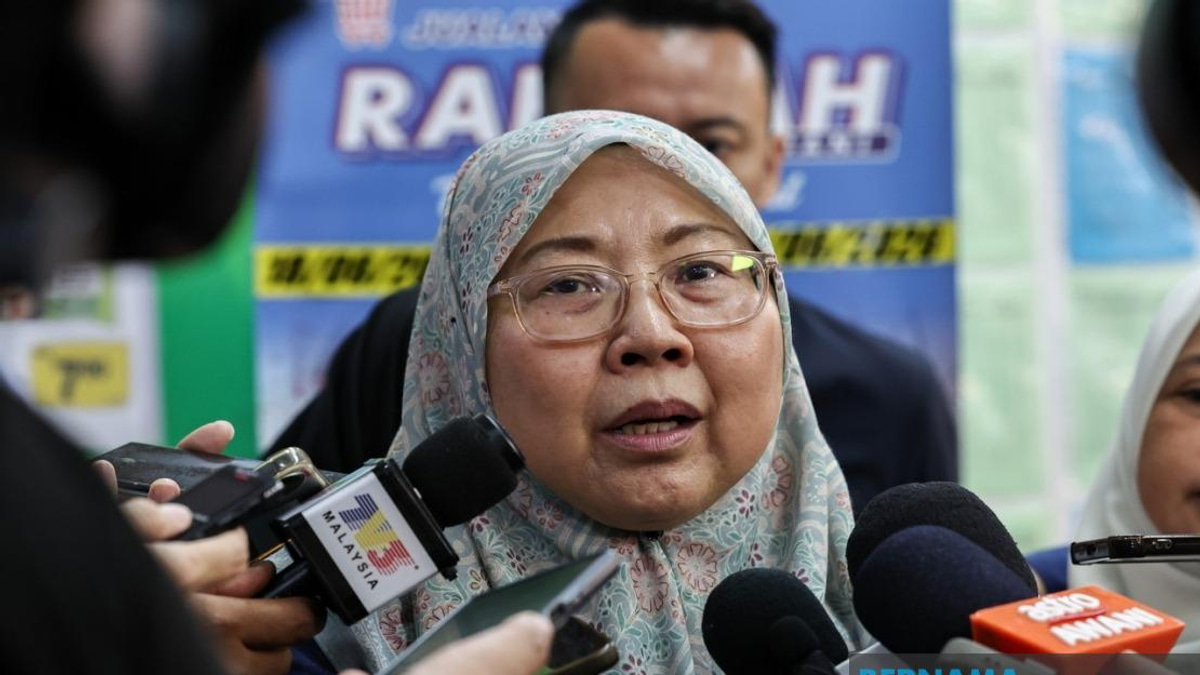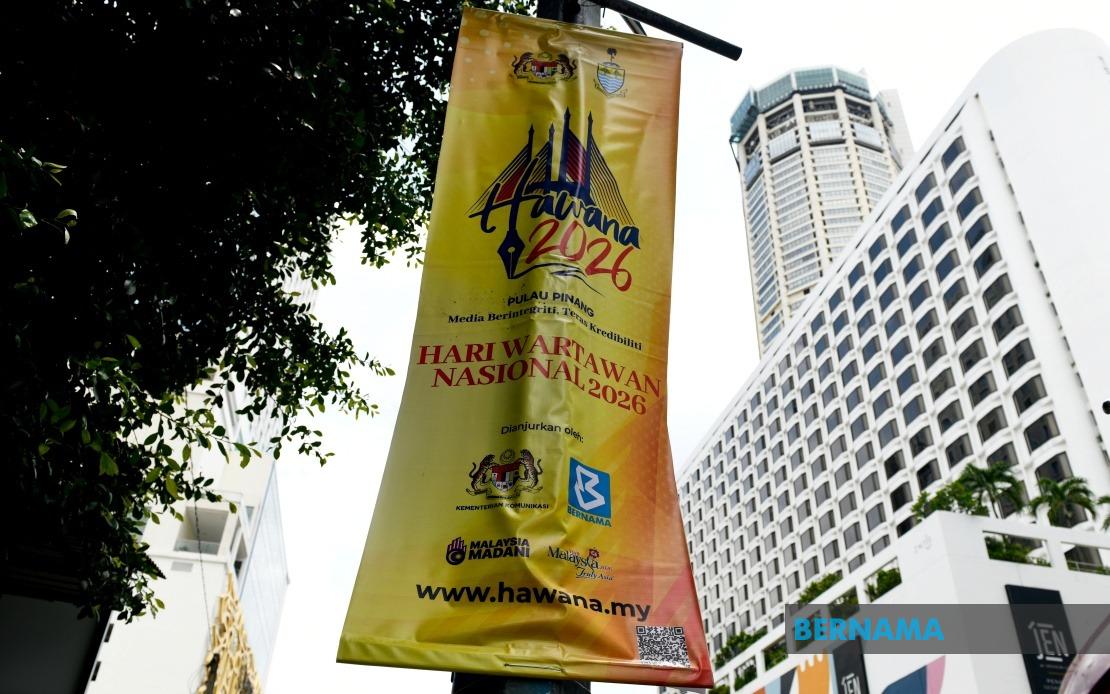
Communications Minister Datuk Fahmi Fadzil commenced a two-day working visit to Penang this week to participate in programmes marking the grand finale of the National Journalists' Day (HAWANA) 2026 celebrations. The visit underscores the government's commitment to recognising the media industry's contributions to the nation's development and provides an opportunity to strengthen relationships between policymakers and journalism professionals across Malaysia and the region.
The minister's itinerary reflects a carefully structured engagement with multiple stakeholder groups within the media and creative ecosystems. His opening engagement featured the Malaysia Media Retreat Programme 2.0 at a Seberang Jaya venue, designed to convene editors-in-chief and senior leadership from both local and international media organisations. This gathering serves a dual purpose: acknowledging the media's instrumental role in facilitating national progress whilst establishing dialogue channels between government and the fourth estate on matters of mutual interest.
A state-level reception with Penang Yang Dipertua Negeri Tun Ramli Ngah Talib added ceremonial weight to the minister's presence, signalling the significance of the occasion at both federal and state governance levels. The evening engagement illustrated the collaborative framework that the government seeks to maintain with media institutions, moving beyond transactional relationships towards substantive partnership on issues affecting journalism practice and media development.
The RIUH Pi HAWANA Carnival at PICCA Convention Centre @ Butterworth Arena represents an innovative approach to celebrating the media and creative industries by integrating them with broader community engagement. The three-day carnival combines cultural and artistic elements with practical workshops in traditional printmaking and sculpture techniques, reflecting how contemporary media narratives increasingly intersect with creative economy development. By featuring over 24 local creative brands alongside food vendors and diverse stage performances, the event positions journalism and media not as isolated professional domains but as integral components of Malaysia's creative ecosystem.
The programme's inclusion of performances by artists such as Sakura Band, Kaka Azraff, Budak Nakal Hujung Simpang and Chelsea Ng signals an effort to make media industry celebrations culturally relevant and accessible beyond professional circles. The provision of free admission democratises participation, ensuring that broader society can engage with discussions about media's role without financial barriers. This accessibility aligns with HAWANA's broader mission to showcase media professionalism to the general public.
On the second day of his visit, Fahmi participated in the Jiwa@Sembang Santai Special World Cup Edition programme at Seberang Jaya Public Market Food Court, continuing an informal engagement strategy designed to position government communication within everyday community spaces. This grassroots approach contrasts with more formal ministerial engagements and reflects evolving expectations around political leadership's accessibility and willingness to engage in popular forums.
The centrepiece of the visit was undoubtedly the HAWANA 2026 Grand Finale at PICCA Convention Centre @ Butterworth Arena, which carried the thematic focus "Media Integrity Strengthens Credibility". The selection of this theme addresses a pressing concern within contemporary journalism globally and regionally: the erosion of public trust in media institutions amid an explosion of misinformation and competing information sources. By positioning media integrity as foundational to credibility, the government signalled its investment in strengthening professional standards within the journalism sector.
The event's officiating by Prime Minister Datuk Seri Anwar Ibrahim elevated HAWANA 2026 to the highest echelons of government attention and demonstrated the administration's prioritisation of media-government relations. The anticipated attendance of approximately 1,000 media practitioners from within Malaysia and international delegations created a significant assembly of journalism professionals, facilitating knowledge exchange on contemporary journalism challenges and opportunities.
HAWANA, organised by the Ministry of Communications with Bernama as the implementing agency, functions as Malaysia's premier recognition platform for honouring the contributions and professionalism of media practitioners. The event's expansion to include international participants reflects the increasing internationalisation of journalism challenges and the recognition that professional standards and ethical frameworks benefit from cross-border dialogue and comparative analysis. For Malaysian journalism professionals, international participation provides benchmarking opportunities and exposure to evolving global best practices in an industry undergoing rapid technological and structural transformation.
The timing of HAWANA 2026's grand finale alongside Fahmi's Penang visit reinforced the government's messaging around media's essential role in facilitating informed democratic discourse. At a moment when Southeast Asian democracies face intensifying pressures around information integrity and media freedom, Malaysia's public investment in celebrating journalism professionalism carries broader regional implications. The event potentially positions Malaysia as a regional thought leader on media development questions, though questions persist about whether such celebratory platforms adequately address ongoing concerns about media ownership concentration and editorial independence.
The two-day visit demonstrated the government's multi-level engagement strategy spanning federal and state authorities, professional media leadership, creative industry participants, and general publics. By situating the minister's participation within diverse venues from formal retreats to public market forums, the government projected an image of accessibility and broad stakeholder consideration. Yet the framing of the visit around media integrity and credibility also implicitly acknowledged persistent public scepticism regarding information sources, suggesting that government and media institutions recognise the need for sustained investment in demonstrating professional standards and ethical commitment to audiences increasingly navigating fragmented information landscapes.