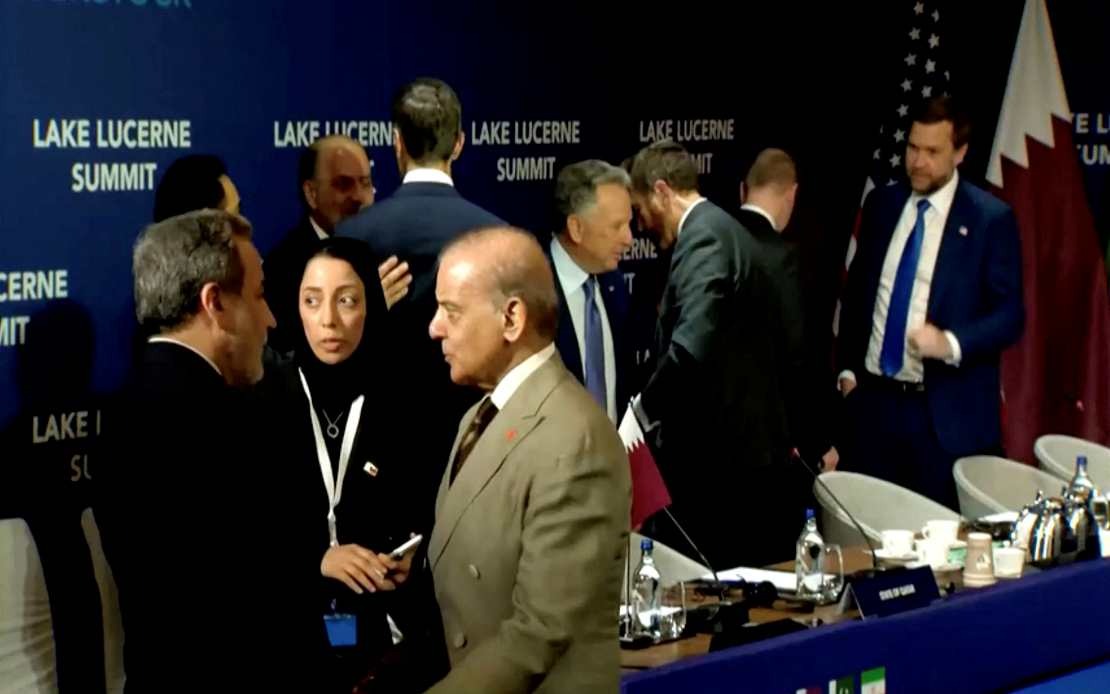
Negotiations between Iran and the United States have produced a preliminary agreement addressing the temporary easing of sanctions targeting Iranian oil shipments, according to Iranian negotiator Hossein Ghorbanzadeh. The development marks tangible progress in broader talks aimed at resolving longstanding tensions between the two nations, with discussions taking place at the Burgenstock resort in Switzerland over the weekend.
The emerging framework represents one component of a more comprehensive arrangement. Ghorbanzadeh emphasized that the agreement's remaining elements will not become operational until all parties reach a final settlement concluding the war in Lebanon, a critical regional flashpoint that has complicated diplomatic efforts. This conditionality underscores the interconnected nature of Middle Eastern conflict resolution, where progress on one front remains contingent upon breakthroughs across multiple theatres of conflict.
Talks extended beyond formal negotiations to encompass separate technical sessions addressing implementation details. These specialized working groups tackled the intricate mechanics of sanctions administration, export procedures, and verification mechanisms—the granular work necessary to translate political agreements into functioning arrangements. The completion of this technical groundwork suggests both delegations view the negotiations seriously enough to engage in meticulous drafting.
During parallel discussions with Qatari representatives, the Iranian delegation also raised the critical issue of accessing frozen assets held abroad. For Iran's economy, the release of these sequestered funds represents not merely a symbolic restoration of sovereignty but a material injection of capital needed to stabilize financial markets and resume international commercial activity. The inclusion of asset unfreezing in negotiations reflects Iran's determination to secure comprehensive economic relief alongside sanctions reduction.
These bilateral developments occur within the context of the recently formalized Islamabad Memorandum of Understanding, brokered through Pakistani mediation. On June 14, Iran and the United States announced they had reached a 14-point understanding establishing a framework for conflict de-escalation. This agreement, which became effective on June 18 following electronic signatures by Iranian President Masoud Pezeshkian and US President Donald Trump, represents a significant diplomatic shift in a relationship characterized by decades of hostility since the 1979 Iranian Revolution.
The memorandum's scope extends well beyond oil commerce. Its provisions contemplate a comprehensive regional recalibration, including cessation of all military hostilities across multiple fronts, restoration of normal maritime access through the Strait of Hormuz—one of the world's most strategically vital chokepoints—and termination of the US naval blockade constraining Iranian commerce. For Southeast Asian nations, particularly shipping-dependent economies like Malaysia, Singapore, and Indonesia, any stabilization of Persian Gulf security carries profound implications for regional trade flows and energy prices.
The oil sanctions dimension holds particular weight given global energy markets' sensitivity to Iranian supply disruptions. During years of maximum US pressure, Iranian crude exports declined precipitously from pre-sanctions levels, supporting higher global oil prices. Even temporary relief provisions could release additional barrels into international markets, potentially moderating crude costs. For Malaysia and other developing economies vulnerable to petroleum price shocks, any moderation in global oil volatility offers macroeconomic benefits, though timing and magnitude remain uncertain pending final agreement conclusion.
The emphasis on Lebanon's situation as a prerequisite for full implementation reflects Iran's regional interests and the intricate balance of power across the Levant. Lebanese stability has long preoccupied Iran's foreign policy, particularly regarding the role of Hezbollah and Iran's broader strategic positioning. The insertion of Lebanon cease-fire requirements into this agreement demonstrates how regional conflicts remain thoroughly entwined, preventing compartmentalized solutions that might otherwise proceed more expeditiously.
For Malaysian observers and policymakers, these developments merit close attention for several interconnected reasons. First, any long-term normalization of US-Iran relations could reshape regional security architectures affecting maritime routes vital to Malaysian trade. Second, Iranian economic rehabilitation through sanctions relief might open commercial opportunities for Malaysian firms in Persian Gulf markets. Third, broader Middle Eastern stability consequent to reduced US-Iran tensions creates conditions more favorable for unimpeded regional commerce and investment flows upon which Southeast Asian prosperity depends.
The technical agreements reached in Switzerland represent necessary but insufficient progress. Negotiators must still bridge substantial gaps on final settlement terms, particularly regarding Lebanon's status and implementation verification mechanisms. The conditionality explicitly stated by Ghorbanzadeh—that benefits remain inoperative absent comprehensive agreement—indicates genuine negotiations continue rather than predetermined outcomes being announced. This situation remains fluid, with outcomes dependent on whether delegations can achieve consensus on Lebanon and other outstanding issues.
The involvement of Qatar as a mediating intermediary reflects its established role as honest broker in Middle Eastern disputes. Pakistan's mediation through the Islamabad framework similarly indicates how smaller powers with credibility across dividing lines can facilitate major power dialogue when direct bilateral engagement proves insufficient. These patterns illuminate how regional diplomacy operates when high-stakes interests and deep mistrust complicate direct negotiations.
Looking ahead, the sustainability of whatever agreement eventually emerges will depend partly on mechanisms ensuring compliance verification and dispute resolution. Both Iran and the United States have histories of accusing counterparts of violating agreements, necessitating robust transparency measures. The technical working groups apparently developing such mechanisms are addressing this fundamental challenge, though success remains far from assured given the adversarial history involved.

%22%2F%3E%3C%2Fpattern%3E%3C%2Fdefs%3E%3Crect%20width%3D%22100%25%22%20height%3D%22100%25%22%20fill%3D%22url(%23ph4oatfg)%22%2F%3E%3Crect%20width%3D%22100%25%22%20height%3D%22100%25%22%20fill%3D%22url(%23ph4oatfp)%22%2F%3E%3Ctext%20x%3D%2250%25%22%20y%3D%2250%25%22%20text-anchor%3D%22middle%22%20dominant-baseline%3D%22central%22%20fill%3D%22rgba(255%2C255%2C255%2C0.95)%22%20font-family%3D%22Georgia%2C%20'Times%20New%20Roman'%2C%20serif%22%20font-weight%3D%22700%22%20font-size%3D%22320%22%20letter-spacing%3D%22-0.02em%22%3EPM%3C%2Ftext%3E%3C%2Fsvg%3E)
%22%2F%3E%3C%2Fpattern%3E%3C%2Fdefs%3E%3Crect%20width%3D%22100%25%22%20height%3D%22100%25%22%20fill%3D%22url(%23ph42gckg)%22%2F%3E%3Crect%20width%3D%22100%25%22%20height%3D%22100%25%22%20fill%3D%22url(%23ph42gckp)%22%2F%3E%3Ctext%20x%3D%2250%25%22%20y%3D%2250%25%22%20text-anchor%3D%22middle%22%20dominant-baseline%3D%22central%22%20fill%3D%22rgba(255%2C255%2C255%2C0.95)%22%20font-family%3D%22Georgia%2C%20'Times%20New%20Roman'%2C%20serif%22%20font-weight%3D%22700%22%20font-size%3D%22151%22%20letter-spacing%3D%22-0.02em%22%3EMuhyiddin%3C%2Ftext%3E%3C%2Fsvg%3E)