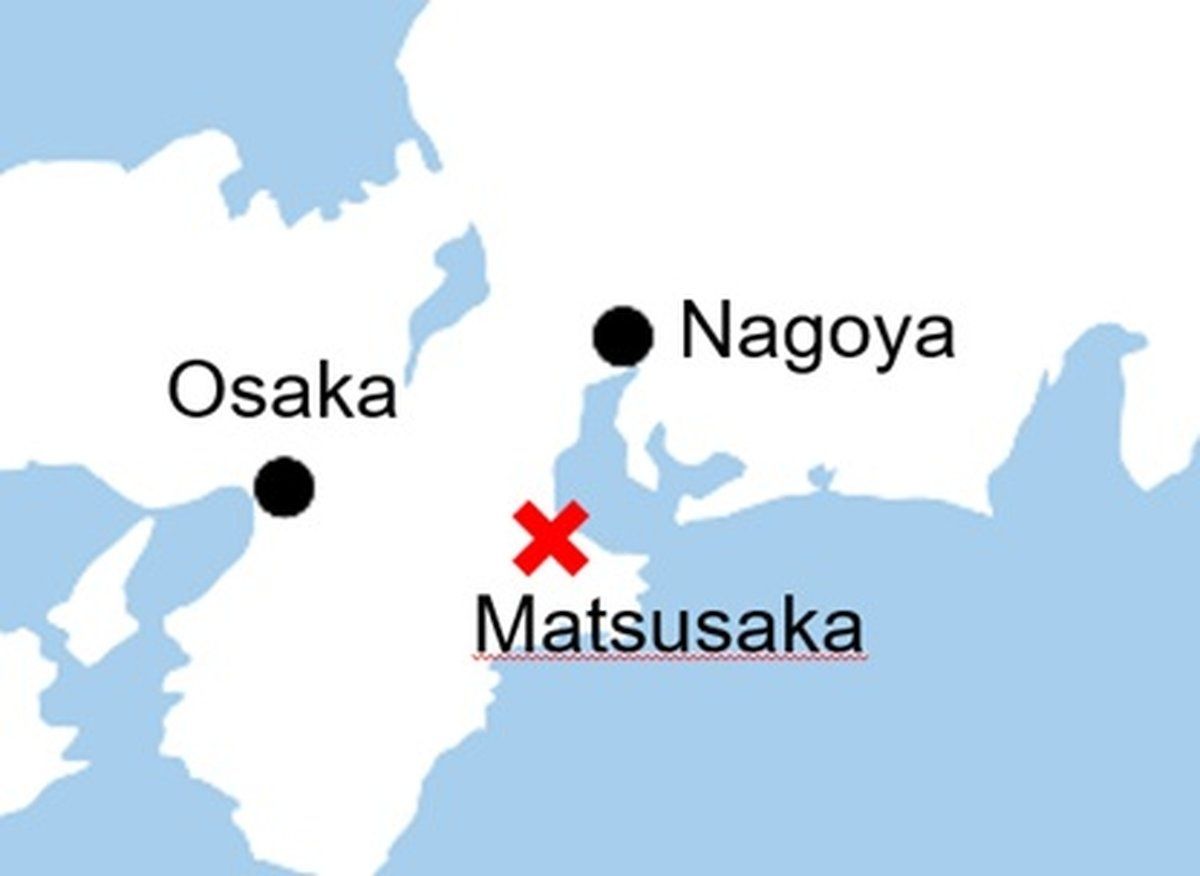
Police in Mie Prefecture have arrested a 35-year-old resident of Matsusaka following allegations that he confined his partner's five-year-old daughter inside a garbage can as a disciplinary measure. The arrest came on Thursday, June 18, after a child welfare centre reported the incident to authorities on May 20, nearly a week after the alleged abuse occurred.
According to police records, the man allegedly carried the young girl to a garbage can at his partner's home in Mie Prefecture at approximately 6.30pm on May 12. He placed her inside the container and closed the lid, where she remained trapped for approximately five minutes. The suspect subsequently justified his actions by describing the confinement as an act of discipline, though the justification raises serious questions about the appropriateness of such treatment of a child.
The incident highlights a troubling perspective on parental discipline that continues to manifest in some households across the region. While the girl emerged physically unharmed from the ordeal, the psychological impact of such confinement on a young child remains a significant concern. The five-year-old's physical wellbeing did not prevent authorities from treating the matter with appropriate gravity once it came to their attention.
The suspect's admission to the charges facilitates the investigation process, though it underscores a disturbing normalisation of extreme punishment measures. The police investigation gathered sufficient evidence to support the arrest, with the suspect's own account corroborating the core facts of the allegation. His characterisation of the act as disciplinary rather than abusive suggests a fundamental misunderstanding of appropriate child-rearing practices.
The involvement of the child welfare centre on May 20 represented a critical intervention point in protecting the child from further harm. The eight-day delay between the May 12 incident and the centre's notification meant the girl spent that period in a potentially unsafe environment. Once alerted, however, welfare authorities moved decisively to ensure the child's protection from ongoing risk.
Beyond the immediate victim, authorities also took protective action concerning the girl's older sister. Both children have been placed under the protective custody of the child welfare centre, acknowledging that the household environment posed risks to multiple children. This broader intervention reflects an understanding that such disciplinary practices often extend to other family members, creating systemic patterns of abuse rather than isolated incidents.
The case emerges within a broader context of child protection concerns across East Asia, where definitions of acceptable parental discipline vary significantly. Japan has seen increased focus on child welfare issues in recent years, with growing recognition that extreme punishments—even those rationalised as discipline—constitute abuse. Public awareness campaigns and stronger enforcement mechanisms have gradually shifted the cultural conversation around child-rearing practices.
For Malaysian readers and Southeast Asian observers, this incident serves as a reminder of the universal nature of child protection challenges. Despite developed economies and strong social institutions, cases of child mistreatment continue to occur when adequate safeguards fail or community awareness proves insufficient. The role of child welfare centres in detecting and responding to such incidents mirrors systems across the region that rely on institutional vigilance and public reporting.
The psychological dimension of the confinement merits particular attention. Confining a five-year-old in an enclosed, dark space constitutes a traumatic experience regardless of physical duration. The developmental stage of a young child makes such experiences particularly damaging, potentially resulting in lasting anxieties around enclosed spaces, abandonment fears, and damaged trust relationships. Recovery will likely require professional intervention beyond simply removing the child from the immediate threat.
The case also raises questions about recognising warning signs of child abuse in domestic settings. The eight-day lag between the incident and reporting suggests that either neighbours, extended family, or other potential observers did not immediately recognise the severity of the situation or were uncertain about intervention pathways. Strengthening community awareness about reporting mechanisms and defining clear standards for unacceptable treatment remains essential across all societies.
Moving forward, the legal proceedings against the suspect will determine appropriate consequences under Japanese law for child confinement and abuse. Beyond the individual case, authorities will likely examine whether systemic gaps in early detection and prevention can be addressed. The protective custody of both children provides immediate safety, though their long-term recovery and family reintegration—if appropriate—will require sustained professional support and monitoring to ensure their wellbeing.