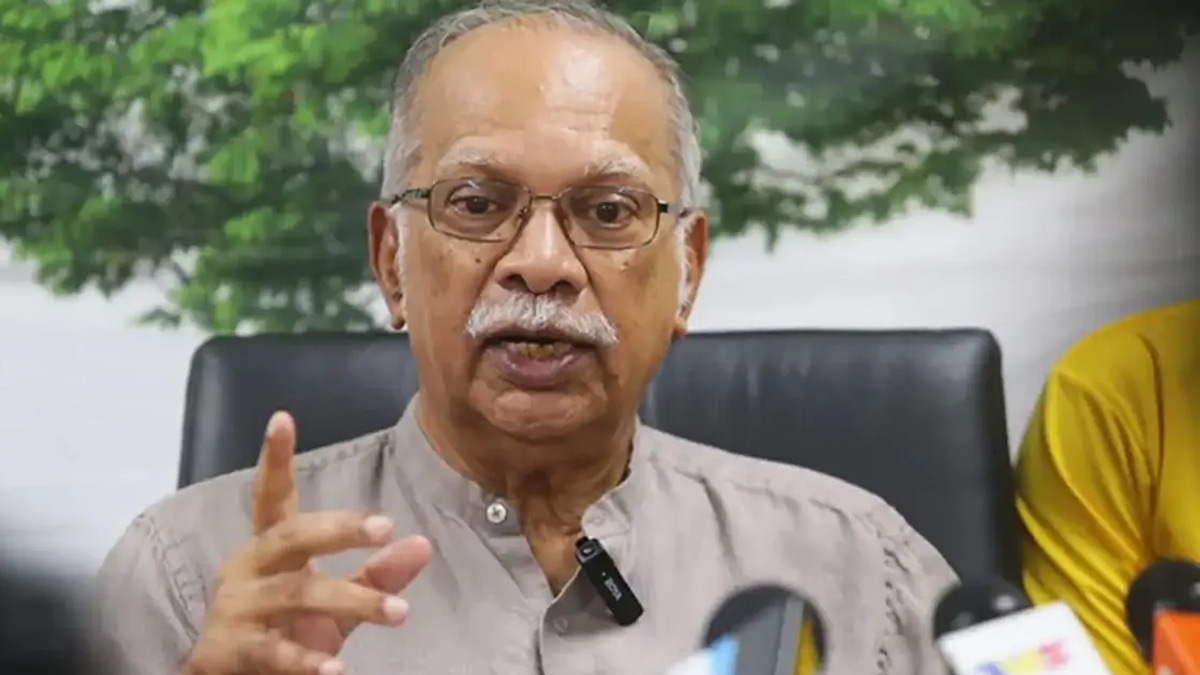
A Johor member of Parliament has publicly raised concerns about the state of preparation for the Johor Elevated Autonomous Rapid Transit project, accusing the Transport Ministry of failing to demonstrate adequate clarity and urgency as the Rapid Transit System approaches its launch date. The lawmaker's criticism reflects growing anxiety among lawmakers and stakeholders about whether critical ground-level infrastructure will be ready to handle passenger volumes once cross-border rail services become operational.
The e-ART initiative represents a significant component of Johor's transport modernisation strategy, designed to provide seamless connectivity between the RTS and surrounding urban areas. As an elevated automated system, it would complement the main rail link by distributing passengers across the state and reducing pressure on existing road networks. However, the project's repeated postponements have raised questions about project management and inter-agency coordination within Malaysia's transport infrastructure sector.
The timing of these delays is particularly problematic given the RTS project's approaching completion. The main transit system, which will connect Kuala Lumpur to Johor Bahru, represents one of Southeast Asia's most ambitious recent infrastructure investments. When the service launches, transport planners expect significant demand from both cross-border commuters and domestic travellers. Without the e-ART network functioning properly, this demand will likely concentrate on conventional road transport and existing public transit alternatives, potentially overwhelming current capacity.
For Malaysian policymakers, the situation illustrates a persistent challenge in large-scale infrastructure development: coordinating multiple projects with overlapping timelines and stakeholder interests. The Transport Ministry oversees numerous initiatives across the peninsula, and balancing resources, regulatory approvals, and construction schedules across competing priorities remains a chronic challenge. When one project slips, downstream projects that depend on its completion face cascading delays.
The Johor MP's intervention suggests that Parliament is paying close attention to implementation gaps. MPs representing constituencies affected by transport infrastructure projects often become de facto project advocates, channelling constituent concerns upward through the political system. When a Johor parliamentarian publicly criticises project delays, it typically signals that local businesses, commuters, and civic leaders have already raised these issues through informal channels.
From a regional perspective, Johor's transport infrastructure readiness has implications extending beyond Malaysia's borders. Singapore, in particular, maintains keen interest in the RTS as it affects cross-border movement and economic activity in the Johor Strait area. Any congestion or transport dysfunction in Johor resulting from incomplete e-ART implementation could impact bilateral trade flows and the attractiveness of the border region for business investment.
The e-ART project's delays also reflect broader patterns in Malaysian infrastructure delivery. Public works frequently experience timeline extensions due to environmental assessments, land acquisition complications, tender disputes, or design revisions. While proper due diligence serves important purposes, the cumulative effect of sequential delays can undermine investor confidence and reduce the coordination between complementary systems.
Transport analysts note that last-mile connectivity remains a persistent weakness in Malaysian public transit planning. Major rail lines operate efficiently between city centres, but the feeder systems connecting residential areas, commercial districts, and employment nodes to main stations often lag in development. The e-ART was conceived to address this problem in Johor by providing automated distribution across the city. Without it, passengers arriving at the main RTS terminal would face limited options, reducing the system's overall utility.
The political pressure now building around e-ART represents an opportunity for the Transport Ministry to reset timelines and communicate realistic delivery expectations. The current situation—where a lack of clarity persists months before a related major project opens—suggests either insufficient planning or poor communication strategies. Neither reflects well on project governance.
Looking forward, the Transport Ministry faces pressure to either accelerate e-ART development or candidly explain which project components will be deferred and how this will affect the RTS ecosystem. Johor stakeholders and parliamentarians increasingly demand answers. The coming months will reveal whether the ministry can demonstrate the urgency and coordination that the MP has called for, or whether Johor's transport infrastructure will face congestion challenges when the RTS finally opens its doors.