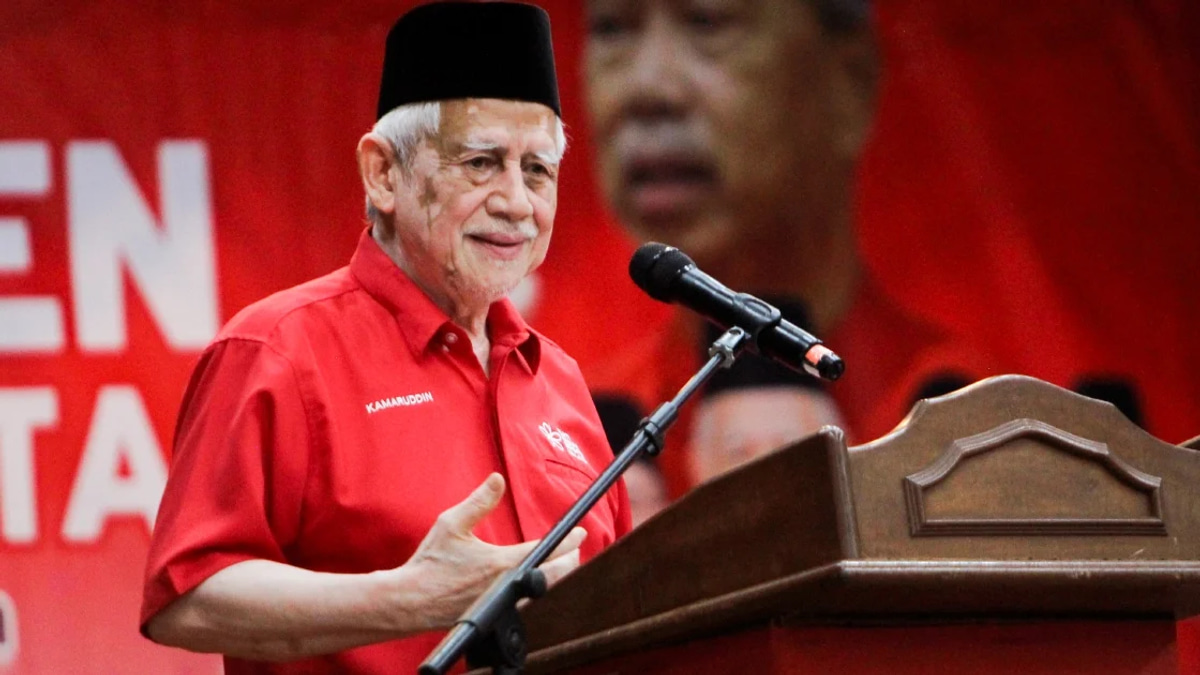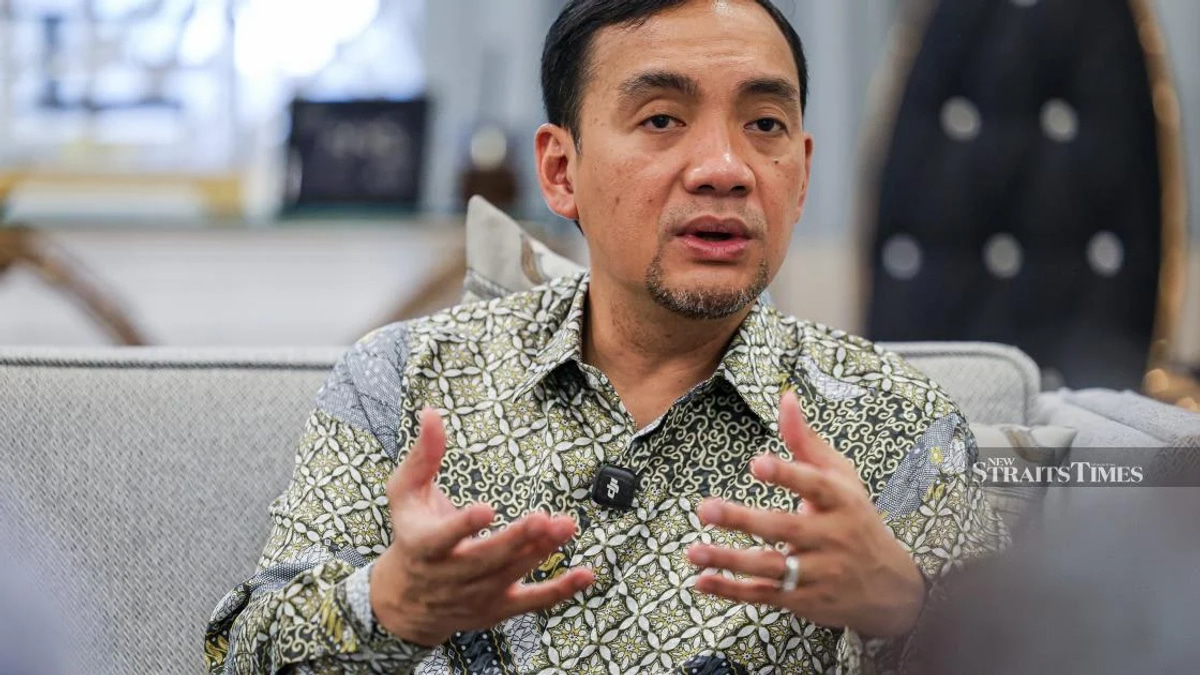
Malaysia's federal Cabinet has given the green light to establish a National Tahfiz Council, a significant institutional development intended to bring coherence and structure to Quranic education throughout the country. Deputy Prime Minister Datuk Seri Dr Ahmad Zahid Hamidi revealed the approval at last week's Cabinet meeting, emphasising that the move represents a watershed moment for tahfiz education. Prime Minister Datuk Seri Anwar Ibrahim has requested that Ahmad Zahid lead the council as chairman, positioning the initiative at the highest levels of government.
The establishment of this council reflects growing recognition that tahfiz education—the memorisation of the Quran—requires systematic oversight and standardisation to ensure quality and consistency across states. Currently, tahfiz institutions operate with varying standards and accreditation processes, creating potential gaps in recognition and career pathways for students. By creating a centralised coordinating body, the government aims to address these fragmentation issues and develop a comprehensive framework that benefits both learners and educators in this sector.
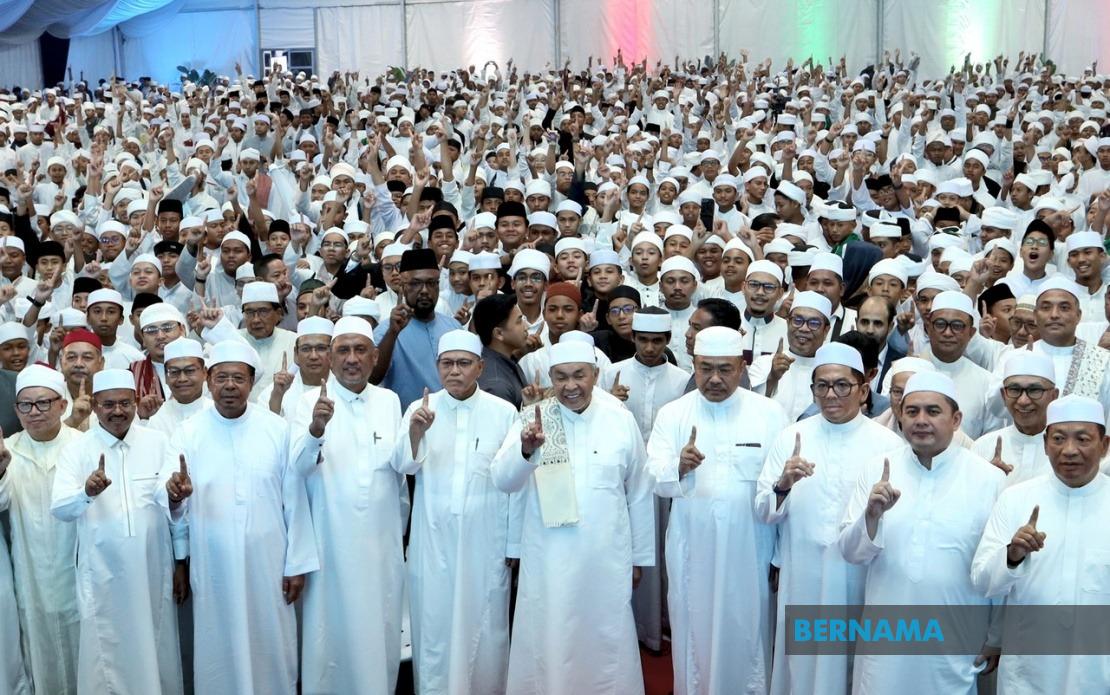
Ahmad Zahid articulated an ambitious vision for tahfiz students during the Pahang State Huffaz Gathering 2026 in Kuantan, which drew over 5,000 Quranic memorisers from across the state. He envisioned a seamless progression where tahfiz education becomes a legitimate and valued educational pathway within Malaysia's formal system. Rather than existing as a parallel or marginal track, tahfiz education should enable students to transition smoothly from madrasah to university, combining Quranic memorisation with contemporary skills development. This perspective recognises that modern huffaz require not only religious knowledge but also vocational competencies to thrive in the professional world.
Pahang state has emerged as a pilot model demonstrating how tahfiz education can develop into an integrated knowledge system spanning early childhood through international levels. The state's initiatives, inspired by the Sultan of Pahang Al-Sultan Abdullah Ri'ayatuddin Al-Mustafa Billah Shah, have introduced Tadika Tahfiz Negeri Pahang—an early-childhood programme designed to cultivate love for the Quran from a young age. This foundation-building approach creates a pipeline where children develop affinity for Quranic studies before advancing to more rigorous memorisation programmes, potentially improving retention and motivation throughout their educational journey.
The government is currently implementing improvements to the National Tahfiz Policy 2.0, which introduces several innovative mechanisms to modernise the sector. The TVET Tahfiz programme bridges technical and vocational education with Quranic studies, allowing students to gain practical skills alongside religious knowledge. The Malaysian Tahfiz Certificate 2.0 provides standardised credentialing, while the Graded Hafazan Certification establishes benchmarks for Quranic memorisation competency. These instruments aim to create transportable qualifications that employers and educational institutions throughout Malaysia and potentially the region recognise.
Financial accessibility represents another critical dimension being addressed through the Huffaz Financing Scheme, which removes economic barriers that might prevent talented students from pursuing tahfiz education. The Malaysian Tahfiz Recognition Standard establishes uniform quality benchmarks across institutions, ensuring that a certificate from Johor carries the same weight and credibility as one from Kelantan or Sabah. These standardisation mechanisms are particularly significant given Malaysia's federal structure, where education responsibility is shared between central and state governments.
Strategic partnerships constitute a cornerstone of this modernisation effort. The memorandum of understanding signed during the Pahang gathering involves Yayasan Pahang, the Community Development Department (KEMAS), and Majlis Amanah Rakyat (MARA). These collaborations demonstrate how tahfiz education can integrate with existing government infrastructure for rural and community development, skills training, and entrepreneur support. MARA's involvement is particularly significant, as it brings expertise in skills certification and employment placement—critical components for translating tahfiz qualifications into concrete economic opportunities.
The Council's establishment carries broader implications for Southeast Asia's Muslim majority societies. Malaysia's model—combining religious education with vocational training and formal recognition—offers a template that other regional nations grappling with similar issues might study. The approach acknowledges that tahfiz education need not represent a choice between religious identity and economic mobility, but rather can integrate both dimensions. For Malaysian families, particularly in rural and lower-income communities, the enhanced pathways reduce the perceived opportunity cost of choosing tahfiz education for their children.
Higher learning institutions' involvement in this framework signals an institutional shift in how universities perceive tahfiz graduates. Traditionally, Quranic education and university entrance have operated on separate tracks. By fostering collaborations between tahfiz institutions and universities, the Council facilitates credit recognition, bridge programmes, and specialised courses that leverage huffaz' Quranic knowledge in contemporary academic fields—Islamic finance, Islamic law, Islamic philosophy, and religious education pedagogy, for instance.
The financial implications merit consideration as well. While the source does not specify budget allocations, the establishment of dedicated financing schemes and standardisation mechanisms requires sustained government investment. For Malaysia's education budget, this represents a deliberate reallocation of resources toward a sector historically underfunded relative to mainstream schooling. This commitment suggests government recognition of tahfiz education's cultural and social importance, not merely its religious dimension.
Longer-term success will depend on implementation rigour and stakeholder buy-in. The Council must navigate delicate federalism questions—balancing central standardisation with respect for state autonomy in education matters. It must also build trust among Islamic civil society organisations, religious leaders, and families who have established tahfiz networks independently. Transparent criteria for accreditation and certificate recognition will be essential for maintaining credibility within religious communities while satisfying employers and educational institutions seeking verifiable credentials.
For Malaysian students and families, the Council's establishment addresses longstanding questions about educational legitimacy and professional utility. Huffaz can now pursue a structured pathway with clear milestones, recognised credentials, and linked opportunities in higher education and employment. This institutional development represents government acknowledgement that tahfiz education deserves status equivalent to other educational tracks, positioning religious knowledge acquisition not as a marginal choice but as a legitimate expression of Malaysia's commitment to diverse, inclusive educational provision.