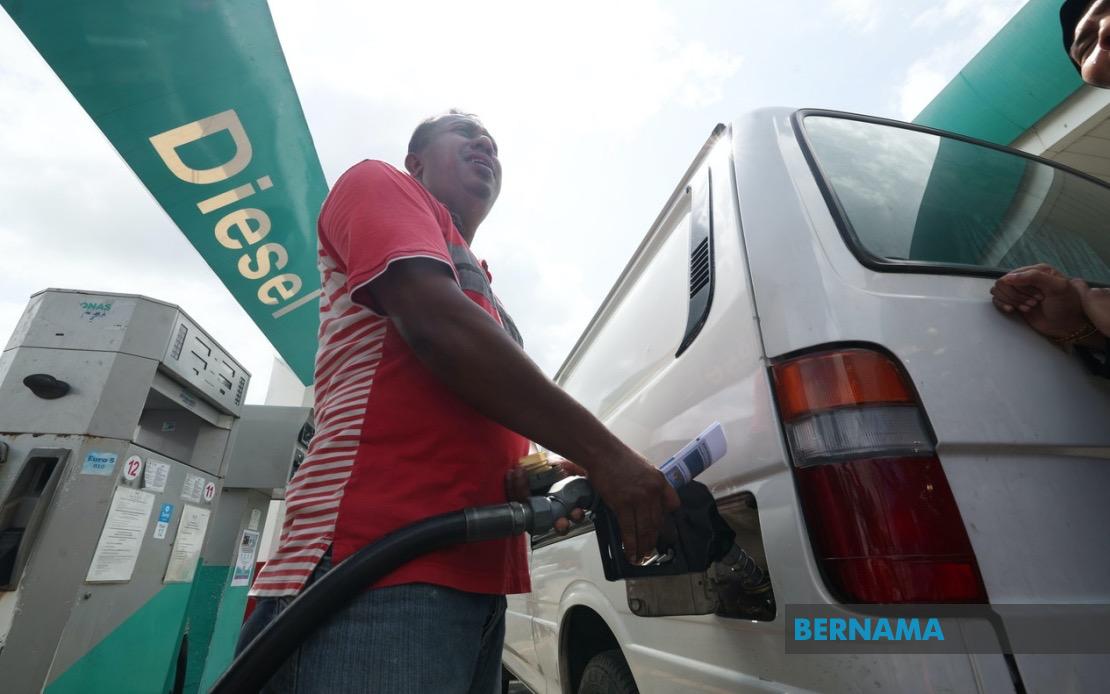
The Malaysian government plans to lower the price of subsidised diesel to RM2.10 per litre beginning in July 2026, according to Prime Minister Datuk Seri Anwar Ibrahim. The announcement, made during an official ceremony in Bintulu, signals the MADANI Government's commitment to refining its subsidy architecture as part of broader fiscal reforms. The new pricing structure represents a significant adjustment to fuel costs for Malaysian consumers and reflects the administration's ongoing effort to balance affordability with financial sustainability.
The diesel subsidy reform will operate under a targeted mechanism similar to the existing BUDI MADANI RON95 programme, which uses MyKad verification to determine eligibility. This approach represents a shift from universal subsidies toward means-tested support, ensuring that fuel assistance reaches those who require it most. The verification system creates a more direct link between the government and qualifying recipients, reducing potential leakage and improving the efficiency of public resources allocated to energy subsidies.
Finance Minister II Datuk Seri Amir Hamzah Azizan was scheduled to brief the media on implementation details the following day in Kuala Lumpur. The detailed specifications regarding eligibility criteria, application procedures, and transition arrangements would likely emerge from this official briefing. Understanding how existing diesel users would be migrated to the new system and what documentation requirements would apply remained essential questions for both consumers and the transport industry.
The timing of this announcement during the Cheque Handover Ceremony Following the Conversion of Bintulu Port Status from Federal Port to State Port underscored the government's broader developmental agenda in Sarawak. The dual announcements reflected an integrated approach to regional development and national fiscal policy, suggesting that energy pricing reform formed part of a comprehensive strategy extending beyond simple cost management to encompass infrastructure transformation and economic decentralisation.
For Malaysia's transport and logistics sectors, the subsidised diesel price carries substantial implications. Commercial operators have long relied on fuel subsidies to maintain operational efficiency, and any pricing adjustments directly influence transportation costs across supply chains. The RM2.10 threshold, once finalised, would establish a benchmark for the industry to recalibrate operational budgets and pricing structures. Small and medium-sized transport enterprises would particularly scrutinise how the targeted subsidy mechanism would function in practice, especially regarding documentation and verification timelines.
The BUDI MADANI RON95 precedent provides a template for how the diesel programme might function operationally. Since its introduction, the RON95 scheme has demonstrated both the feasibility and challenges of identity-based subsidy distribution. Lessons learned from that programme, including digital system reliability, user adoption rates, and administrative burden reduction, would inevitably inform diesel subsidy implementation. Consumer feedback from the RON95 experience could help authorities anticipate potential bottlenecks and refine processes before wider rollout.
Regionally, Malaysia's subsidy reform carries relevance for Southeast Asian peers managing similar energy cost pressures. Several neighbouring countries maintain extensive fuel subsidy regimes facing mounting fiscal strain, making Malaysia's incremental approach toward targeted support a subject of regional attention. The model of technology-enabled verification combined with tiered pricing offers a potential blueprint for countries seeking to modernise subsidy administration while maintaining affordability for vulnerable populations.
The broader context of Malaysian fiscal management reveals why such adjustments matter strategically. Energy subsidies represent substantial budgetary commitments, and reforming their structure without eliminating consumer protections requires careful calibration. By moving toward targeted rather than universal support, the government aims to create more fiscal space for other development priorities whilst protecting purchasing power for those most dependent on affordable energy access.
Implementation success would depend significantly on system infrastructure and public cooperation. The MyKad verification mechanism required robust digital systems capable of handling high transaction volumes across diverse geographic areas. Previous subsidy rollouts had occasionally encountered technical difficulties or slow user adoption, and authorities would need to ensure lessons were incorporated into this new programme. Advance public communication campaigns explaining eligibility, registration procedures, and expected timelines would be critical for smooth transition.
For the broader Malaysian economy, the diesel subsidy restructuring signals continued government commitment to targeted rather than blanket support measures. This philosophy extends beyond energy policy to encompassing other subsidy regimes, suggesting a long-term shift in how Putrajaya approaches social safety nets. The approach prioritises fiscal sustainability alongside social protection, acknowledging that unlimited subsidies ultimately constrain resources available for other public goods including infrastructure, education, and healthcare.
The announcement also reflects Malaysia's ongoing balancing act between economic competitiveness and social protection. Diesel prices directly influence production costs for agriculture, manufacturing, and construction sectors, making energy pricing a critical macroeconomic variable. Setting the subsidy level required careful consideration of international crude prices, currency fluctuations, and domestic inflation pressures. The RM2.10 threshold would need periodic review and adjustment mechanisms to remain viable as global conditions shifted.

%22%2F%3E%3C%2Fpattern%3E%3C%2Fdefs%3E%3Crect%20width%3D%22100%25%22%20height%3D%22100%25%22%20fill%3D%22url(%23ph2h5apg)%22%2F%3E%3Crect%20width%3D%22100%25%22%20height%3D%22100%25%22%20fill%3D%22url(%23ph2h5app)%22%2F%3E%3Ctext%20x%3D%2250%25%22%20y%3D%2250%25%22%20text-anchor%3D%22middle%22%20dominant-baseline%3D%22central%22%20fill%3D%22rgba(255%2C255%2C255%2C0.95)%22%20font-family%3D%22Georgia%2C%20'Times%20New%20Roman'%2C%20serif%22%20font-weight%3D%22700%22%20font-size%3D%22320%22%20letter-spacing%3D%22-0.02em%22%3EMUDA%3C%2Ftext%3E%3C%2Fsvg%3E)