%22%2F%3E%3C%2Fpattern%3E%3C%2Fdefs%3E%3Crect%20width%3D%22100%25%22%20height%3D%22100%25%22%20fill%3D%22url(%23ph5nl23g)%22%2F%3E%3Crect%20width%3D%22100%25%22%20height%3D%22100%25%22%20fill%3D%22url(%23ph5nl23p)%22%2F%3E%3Ctext%20x%3D%2250%25%22%20y%3D%2250%25%22%20text-anchor%3D%22middle%22%20dominant-baseline%3D%22central%22%20fill%3D%22rgba(255%2C255%2C255%2C0.95)%22%20font-family%3D%22Georgia%2C%20'Times%20New%20Roman'%2C%20serif%22%20font-weight%3D%22700%22%20font-size%3D%22272%22%20letter-spacing%3D%22-0.02em%22%3EMITRA%3C%2Ftext%3E%3C%2Fsvg%3E)
The Government Backbenchers' Club (BBC) has endorsed the rollout of the MADANI Indian Community Programme under the Malaysian Indian Community Transformation Unit (MITRA), characterising the initiative as a crucial mechanism for advancing grassroots development and empowerment across Malaysia's Indian community. The endorsement underscores political support for an approach that moves beyond centralised policymaking to embed development programmes directly within local constituencies.
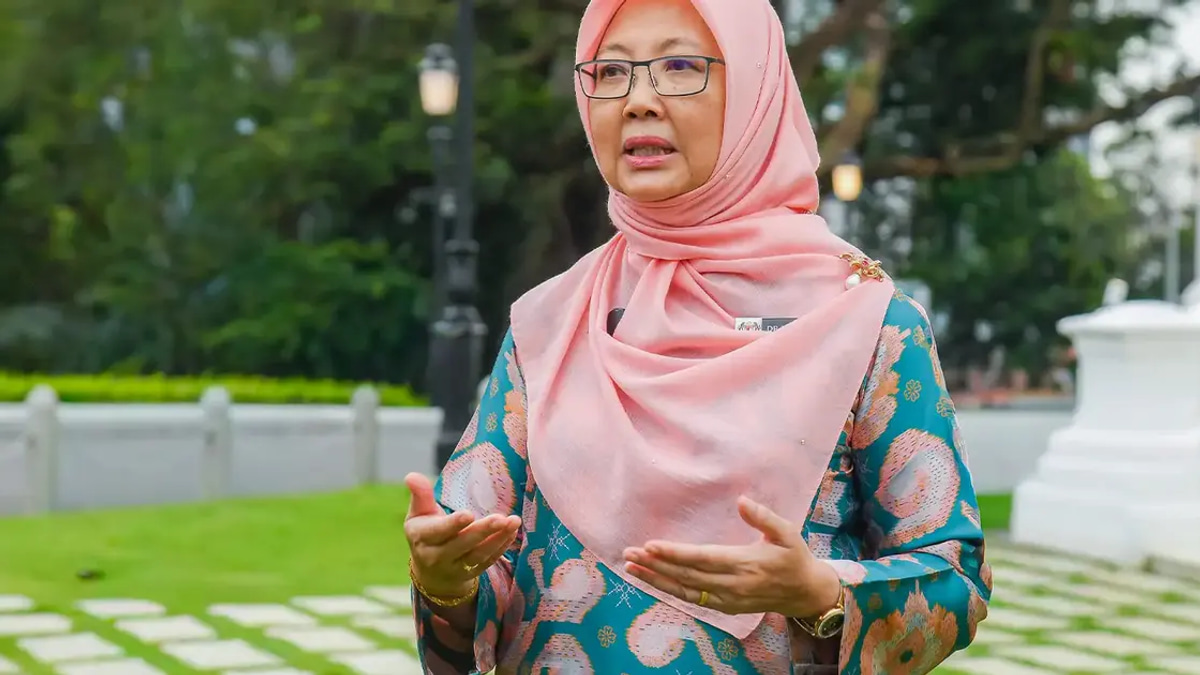
According to BBC chairman Datuk Seri Dr Zaliha Mustafa, the nationwide deployment across all 80 parliamentary constituencies signals the MADANI Government's determination to foster inclusive growth that maintains meaningful proximity to affected communities. This territorial reach is significant; by anchoring programmes within constituency-based service centres, the initiative attempts to bridge the traditional gap between federal policy design and local implementation realities.
The structural innovation lies in leveraging MPs' existing service infrastructure to identify and respond to community-specific needs. Dr Zaliha emphasised that this decentralised model strengthens both national policy execution and ensures tangible benefits reach intended beneficiaries directly. The framework theoretically empowers individual MPs to surface local priorities that might otherwise remain obscured in top-down planning processes, creating feedback loops between grassroots experience and programme refinement.
The financial commitment accompanying this structural redesign demonstrates substantive government investment. MITRA has announced six new initiatives commanding RM65.5 million in initial funding, projected to benefit more than 50,000 Indian community members nationwide. These programmes span critical development domains including education, human capital building, entrepreneurial support, welfare provision and social mobility pathways—reflecting a comprehensive rather than sectoral approach to community advancement.
Human Resources Minister Datuk Seri R Ramanan detailed the operational mechanics of this expansion. Each of the 80 parliamentary service centres receives an allocation of RM150,000 annually to execute programmes tailored to local education, entrepreneurship, social development and healthcare priorities. This per-constituency budget framework creates both opportunity and constraint: sufficient resourcing for meaningful intervention while requiring localised prioritisation given diverse community composition across constituencies.
Beyond these new initiatives, MITRA's overall annual allocation has been increased to RM150 million, substantially enhancing the unit's financial capacity for sustained programming. This budget elevation signals a long-term commitment to Indian community development within broader MADANI framework priorities, though the allocation's adequacy relative to community needs remains an empirical question warranting continued monitoring.
For Malaysian policymakers and analysts, the MITRA approach represents a deliberate shift toward subsidiarity in community development—distributing implementation authority to constituencies rather than concentrating decision-making at federal level. This model potentially offers advantages in programme relevance and stakeholder engagement, yet introduces scaling challenges around ensuring programme quality consistency across diverse constituencies with varying administrative capacity.
The implications extend beyond the Indian community itself. MITRA's design serves as a test case for whether Malaysia's broader development programmes can achieve both national coherence and local responsiveness simultaneously. If successful, similar constituency-anchored approaches might extend to other community development initiatives, reshaping how federal programmes interface with local governance structures.
Regionally, Malaysia's targeted community development spending warrants comparison with approaches in other Southeast Asian democracies managing multicultural populations. The specific focus on education, entrepreneurship and social mobility reflects global development best practices emphasising human capital investment as engines of intergenerational advancement and poverty reduction.
Challenges ahead will centre on implementation fidelity and resource adequacy at the constituency level. Whether RM150,000 annually per constituency proves sufficient for impactful education scholarships, entrepreneurship mentorship and healthcare initiatives depends on programme design efficiency and actual cost structures within individual constituencies. Transparent outcome reporting against specific, measurable targets will be essential for programme accountability and public confidence.
The Government Backbenchers' Club's vocal support suggests cross-party political consensus around inclusive community development frameworks, which could facilitate programme continuity across electoral cycles. However, translating political endorsement into sustained resource commitment and effective execution requires robust oversight mechanisms ensuring funds reach intended beneficiaries and programmes generate measurable development outcomes.
As MITRA begins rolling out these initiatives, the coming months will prove instructive regarding whether constituency-based implementation genuinely improves development programme reach and relevance compared to previous centralised approaches, and whether the budgeted resources adequately address identified community priorities across Malaysia's diverse Indian population.
%22%2F%3E%3C%2Fpattern%3E%3C%2Fdefs%3E%3Crect%20width%3D%22100%25%22%20height%3D%22100%25%22%20fill%3D%22url(%23ph2h5apg)%22%2F%3E%3Crect%20width%3D%22100%25%22%20height%3D%22100%25%22%20fill%3D%22url(%23ph2h5app)%22%2F%3E%3Ctext%20x%3D%2250%25%22%20y%3D%2250%25%22%20text-anchor%3D%22middle%22%20dominant-baseline%3D%22central%22%20fill%3D%22rgba(255%2C255%2C255%2C0.95)%22%20font-family%3D%22Georgia%2C%20'Times%20New%20Roman'%2C%20serif%22%20font-weight%3D%22700%22%20font-size%3D%22320%22%20letter-spacing%3D%22-0.02em%22%3EMUDA%3C%2Ftext%3E%3C%2Fsvg%3E)