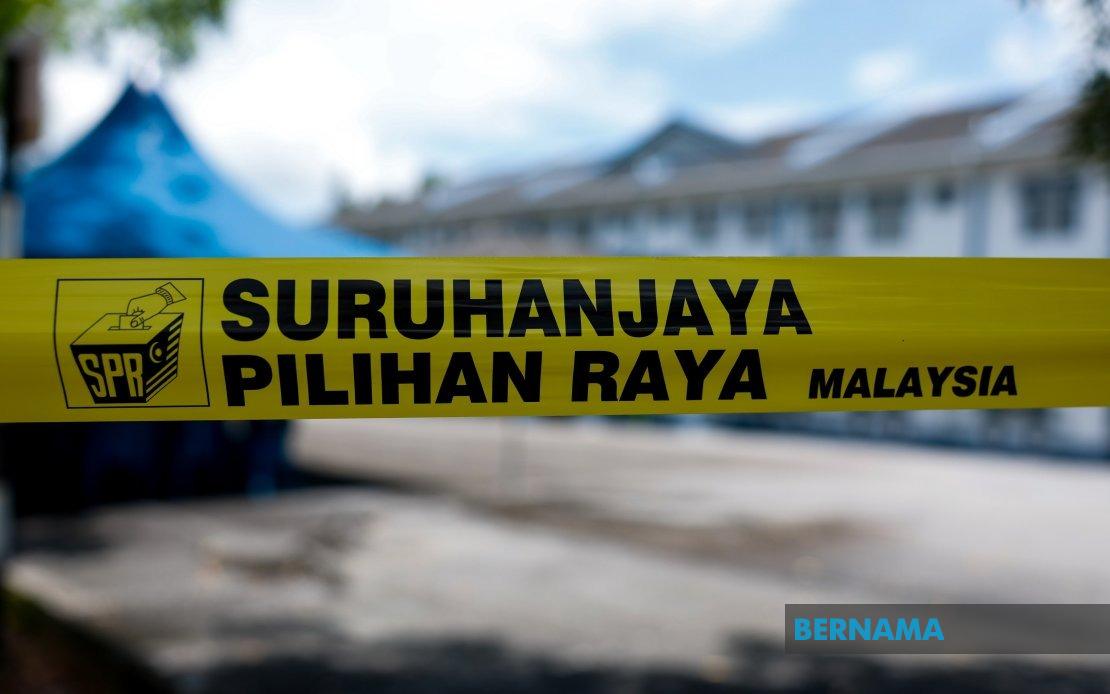
The Malaysian United Democratic Alliance (MUDA) has unveiled its candidate for the Puteri Wangsa constituency in the forthcoming Johor state election, tapping 26-year-old Rashifa Aljunied, who currently heads the party's service centre in the district. The announcement was made by MUDA president Amira Aisya Abdul Aziz during a press conference in Johor Bahru on June 20, marking a significant transition for the seat as the party seeks to retain one of its electoral strongholds in the state.
The selection of Rashifa follows extensive deliberation among MUDA's senior leadership and party machinery, according to Amira Aisya, who underscored the thorough process that preceded the nomination. Rashifa's appointment reflects the party's strategy to inject fresh energy and local engagement into the constituency, where she has already established a presence through her management of the service centre. This direct connection to community operations positions her as someone familiar with constituent concerns and service delivery challenges.
Amira Aisya's decision to step back from defending the Puteri Wangsa seat stems from her ambitions at the national level. The MUDA president has chosen to contest a parliamentary seat in the upcoming 16th General Election, a shift that represents a significant political recalibration for the party leadership. This move underscores a broader strategic calculation within MUDA to simultaneously strengthen both state and federal representation, even as it requires relinquishing a proved electoral victory.
The Puteri Wangsa seat carries considerable symbolic weight for MUDA's electoral prospects. In the 2022 Johor state election, the party captured this constituency as its sole victory in the state, with Amira Aisya securing a commanding majority of 7,114 votes in a six-cornered contest. This substantial winning margin reflects strong local support and suggests favourable ground conditions for MUDA's political narrative in the area. Defending such a seat against competing parties poses a meaningful challenge for any new candidate, making the selection of a locally rooted successor particularly strategic.
Johor's state elections are proceeding according to a tightly orchestrated timeline that provides limited time for candidates to establish campaign momentum. The Election Commission has scheduled polling day for July 11, with nomination day set for June 27 and early voting allocated to July 7. This compressed calendar compresses the window for campaigning and voter engagement, requiring candidates to mobilize support quickly and efficiently. For MUDA and Rashifa, this timeline means transitioning rapidly from internal party announcement to public campaign presence.
MUDA's broader candidate slate for the Johor election remains partially unknown at the time of this announcement. The party indicated that additional candidate announcements would follow in Kuala Lumpur on June 21, suggesting a phased revelation of its electoral strategy. This approach allows MUDA to coordinate messaging and manage media attention across multiple announcements rather than overwhelming the news cycle with a single comprehensive slate disclosure. The staggered approach also permits the party to fine-tune lower-profile nominations while maintaining focus on flagship candidacies.
The choice of Rashifa represents a specific generational statement from MUDA, a political force that has consistently emphasised youth participation and fresh perspectives in Malaysian governance. At 26 years old, she exemplifies the demographic that MUDA has cultivated as its core constituency. Her youth combined with demonstrated service centre leadership suggests a deliberate effort to marry ideological commitments to youthful renewal with practical administrative experience. This positioning could appeal to younger voters seeking alternatives to established political structures.
MUDA's performance in the 2022 Johor election, despite claiming only the single Puteri Wangsa seat, occurred within a competitive and fragmented political landscape. The six-cornered contest that Amira Aisya won reflects the multiplicity of political options available to Johor voters, spanning established federal coalition partners, opposition coalitions, and emerging alternatives. In this context, holding Puteri Wangsa represents a notable beachhead, and retaining it would demonstrate the sustainability of MUDA's electoral appeal beyond a single candidate personality.
For Malaysian politics more broadly, MUDA's candidacy decisions merit attention as indicators of strategic positioning ahead of a federal general election cycle. The party's decision to have its president contest nationally while building state-level alternatives suggests calculations about where political momentum and growth opportunities lie. The strengthening of federal parliamentary presence, even at the cost of state seats, indicates MUDA's assessment that national politics offers better prospects for marginal constituency gains and coalition influence.
Rashifa's candidacy will likely attract scrutiny regarding her campaign platform and policy priorities relative to competing candidates from other parties contesting Puteri Wangsa. MUDA's broader political positioning emphasises anti-corruption, youth empowerment, and meritocratic governance principles, themes that Rashifa will presumably articulate during her campaign. Her local service centre background may allow her to ground these national themes in concrete examples of constituent services and community responsiveness.
The transition from Amira Aisya to Rashifa also raises questions about continuity of MUDA's local political machinery and volunteer networks. Amira Aisya's incumbency provided organisational advantages, including established campaign infrastructure and recognisable branding. Transferring that foundation to a successor requires careful management to prevent erosion of support during the transition. Rashifa's existing role in the service centre suggests some pre-existing connection to these networks, potentially easing the succession process.
As Johor moves toward its state election, MUDA's Puteri Wangsa nomination represents a critical test of whether the party can move beyond reliance on individual candidates and establish more durable institutional appeal. Rashifa's performance in this contest will generate data about MUDA's organisational capacity and electoral viability in competitive state contests. Success would validate the party's growth trajectory, while a loss would prompt recalibration of electoral strategy and candidate selection methodologies moving forward.
%22%2F%3E%3C%2Fpattern%3E%3C%2Fdefs%3E%3Crect%20width%3D%22100%25%22%20height%3D%22100%25%22%20fill%3D%22url(%23ph6xupg)%22%2F%3E%3Crect%20width%3D%22100%25%22%20height%3D%22100%25%22%20fill%3D%22url(%23ph6xupp)%22%2F%3E%3Ctext%20x%3D%2250%25%22%20y%3D%2250%25%22%20text-anchor%3D%22middle%22%20dominant-baseline%3D%22central%22%20fill%3D%22rgba(255%2C255%2C255%2C0.95)%22%20font-family%3D%22Georgia%2C%20'Times%20New%20Roman'%2C%20serif%22%20font-weight%3D%22700%22%20font-size%3D%22170%22%20letter-spacing%3D%22-0.02em%22%3EMalaysia%3C%2Ftext%3E%3C%2Fsvg%3E)
%22%2F%3E%3C%2Fpattern%3E%3C%2Fdefs%3E%3Crect%20width%3D%22100%25%22%20height%3D%22100%25%22%20fill%3D%22url(%23ph6450g)%22%2F%3E%3Crect%20width%3D%22100%25%22%20height%3D%22100%25%22%20fill%3D%22url(%23ph6450p)%22%2F%3E%3Ctext%20x%3D%2250%25%22%20y%3D%2250%25%22%20text-anchor%3D%22middle%22%20dominant-baseline%3D%22central%22%20fill%3D%22rgba(255%2C255%2C255%2C0.95)%22%20font-family%3D%22Georgia%2C%20'Times%20New%20Roman'%2C%20serif%22%20font-weight%3D%22700%22%20font-size%3D%22136%22%20letter-spacing%3D%22-0.02em%22%3EGovernment%3C%2Ftext%3E%3C%2Fsvg%3E)
%22%2F%3E%3C%2Fpattern%3E%3C%2Fdefs%3E%3Crect%20width%3D%22100%25%22%20height%3D%22100%25%22%20fill%3D%22url(%23ph2ojpsg)%22%2F%3E%3Crect%20width%3D%22100%25%22%20height%3D%22100%25%22%20fill%3D%22url(%23ph2ojpsp)%22%2F%3E%3Ctext%20x%3D%2250%25%22%20y%3D%2250%25%22%20text-anchor%3D%22middle%22%20dominant-baseline%3D%22central%22%20fill%3D%22rgba(255%2C255%2C255%2C0.95)%22%20font-family%3D%22Georgia%2C%20'Times%20New%20Roman'%2C%20serif%22%20font-weight%3D%22700%22%20font-size%3D%22194%22%20letter-spacing%3D%22-0.02em%22%3EBercham%3C%2Ftext%3E%3C%2Fsvg%3E)