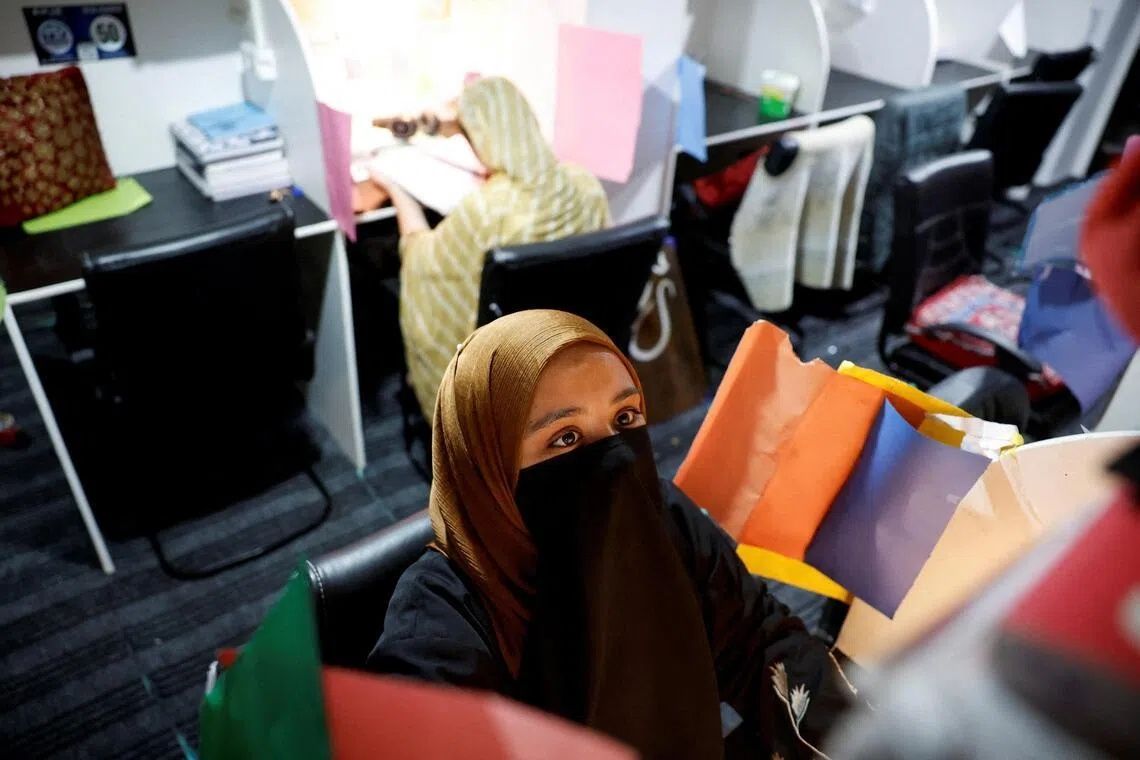
The pressure facing more than 2 million medical school hopefuls in India has intensified dramatically as they prepare for a second attempt at one of the country's most gruelling entrance examinations. What was already a formidable challenge has become compounded by extraordinary circumstances entirely beyond their control, creating unprecedented psychological strain across the student community. The retake of the National Eligibility cum Entrance Test, scheduled for June 21, arrives just weeks after authorities made the extraordinary decision to cancel the original examination held on May 3 following credible allegations that question papers had been leaked in advance through social media channels.
The scale of competition for India's limited medical school places underscores why this examination carries such enormous weight for millions of young people. Successful candidates represent an exceptionally elite cohort, with historical acceptance rates hovering between merely 5 and 6 per cent of total test takers. This brutally narrow passage into medical education means that for the vast majority of candidates, the stakes surrounding their performance are extraordinarily high. The cancellation of results and mandatory retake has transformed what was already an intense examination season into a prolonged ordeal of uncertainty and anxiety, forcing students to maintain peak preparation levels across an extended timeframe while managing the emotional toll of their initial investment seemingly nullified.
Student testimonies reveal the profound psychological impact of this situation. Alima Javed, a 20-year-old aspirant from Srinagar, articulates the frustration many candidates experience, describing how years of dedicated preparation have been undermined by institutional failures beyond individual control. She and her peers have invested substantial time, resources, and emotional energy into mastering complex medical concepts, only to have their examination results invalidated through no action of their own. This sense of injustice appears to be fuelling considerable anxiety across the candidate pool, with some students reporting that stress levels have escalated to the point of requiring professional psychiatric intervention.
The political ramifications of this examination fiasco have not escaped notice either within India or regionally. Student demonstrations have erupted across multiple Indian cities, including New Delhi, with hundreds of angry candidates participating in successive protests. These manifestations of public discontent have created significant political pressure on Prime Minister Narendra Modi's administration at a sensitive moment in the government's tenure. Opposition political figures and media commentators have amplified concerns about the examination controversy, using the incident to highlight broader questions about institutional competence and governmental oversight. Some accounts have linked the examination scandal to student suicides, though verifying such claims remains challenging in the absence of comprehensive official documentation.
In response to mounting political pressure, Education Minister Dharmendra Pradhan has issued public assurances regarding the upcoming retake, pledging that authorities will implement procedures ensuring both fairness and transparency throughout the examination process. These commitments represent an attempt to restore public confidence in institutional capacity to manage the sensitive retake fairly. However, implementing such guarantees while managing 2 million candidates across numerous examination centres presents formidable logistical and security challenges that extend beyond simple policy pronouncements.
Government authorities have implemented several controversial measures designed to prevent any recurrence of question paper leaks during the retake. Most notably, authorities have ordered a temporary block on the messaging application Telegram, citing security concerns and arguing that the platform's anonymity features and ease of channel recreation make it particularly vulnerable to misuse by cheating networks. This decision has attracted criticism from free speech advocates who contend that blocking an entire communications platform represents an disproportionate response. When challenged in court on June 19, Indian judges upheld the government's authority to implement this ban, ruling that the actions were legally permissible and represented reasonable exercise of governmental power. The judicial endorsement suggests that Indian courts are willing to prioritize security concerns over broader considerations of digital freedom, setting a significant precedent for future telecommunications policy.
Beyond the Telegram restriction, authorities have initiated a comprehensive multi-agency investigation into the original question paper leak, deploying investigators to identify the sources of the breach and trace financial flows connected to alleged cheating networks. Law enforcement agencies operating across multiple Indian states have already made arrests related to the alleged leak, and government officials have indicated that perpetrators will face significantly enhanced penalties. These enforcement actions reflect government determination to address what appears to be an organized attempt to compromise examination integrity.
The broader security overhaul extends across multiple dimensions of the examination administration itself. Enhanced monitoring systems will now be deployed at all examination centres, while handling procedures for sensitive question papers have been tightened substantially. Digital tracking technologies will monitor question paper movement throughout the distribution and administration process, creating an electronic audit trail designed to detect any unauthorized access or duplication. These layered security measures represent a significant escalation in the infrastructure surrounding examination administration and reflect the government's assessment that previous safeguards proved insufficient.
Despite these government initiatives, student confidence remains fragile. Many candidates express skepticism that security enhancements will adequately address underlying institutional vulnerabilities. Aliya Jalaal, another 20-year-old aspiring medical student, reported that her initial satisfaction with her first examination attempt has been overwhelmed by anxiety surrounding the retake. Her decision to seek psychiatric support illustrates how the examination scandal has created mental health consequences extending beyond academic stress, potentially creating lasting psychological effects among the candidate population.
The implications of this examination crisis extend beyond India's borders and into broader Southeast Asian contexts. Regional education systems across Asia face similar challenges regarding examination integrity and student pressure, with several other countries experiencing comparable scandals involving entrance examination compromises. The Indian government's response—combining aggressive security measures, legal action against violators, and digital platform restrictions—may establish a template that other Asian education systems observe and potentially emulate. For Malaysian and Southeast Asian educational stakeholders, the Indian experience offers cautionary lessons about vulnerability in high-stakes examination systems and the complex trade-offs between security enhancement and preservation of digital freedoms.


