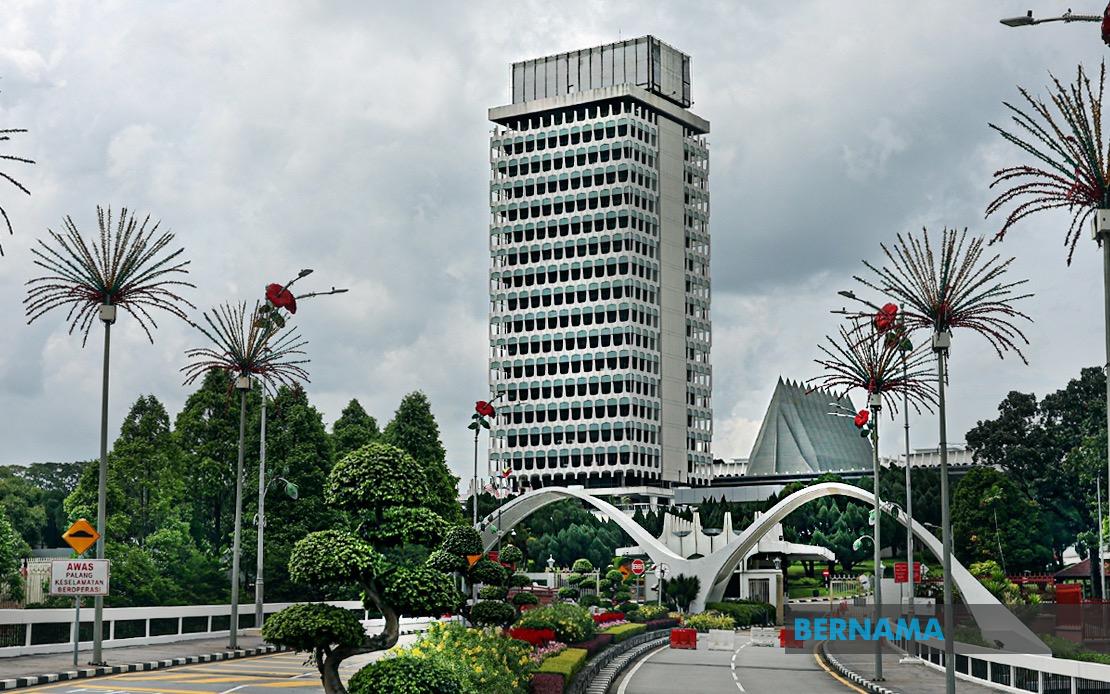
Malaysia's Parliament commenced its second meeting of the fifth session with urgent attention to the economic ripple effects of potential trade disruptions in the Strait of Hormuz, a critical chokepoint through which an estimated 21 percent of global oil and liquefied natural gas passes annually. The opening day agenda reflects growing concern among lawmakers about vulnerabilities in supply chains and inflation pressures that could destabilize the national economy during an already uncertain global environment.
Datuk Dr Richard Rapu @ Aman anak Begri, representing GPS-Betong, will press the Economy Minister for a comprehensive assessment of how trade interruptions through the Strait of Hormuz might cascade through Malaysian industries. His questioning will specifically target operating cost pressures and their relationship to second-quarter 2026 inflation rates, reflecting parliamentary concern that external shocks could erode business competitiveness at home. For Malaysia, a nation heavily dependent on energy imports and with manufacturing sectors sensitive to commodity price volatility, this line of inquiry underscores the strategic importance of monitoring geopolitical risks in one of the world's most strategically vital maritime passages.
The same legislator will also challenge the government to articulate how contingency planning under the 13th Malaysia Plan safeguards the nation's gross domestic product growth objectives should a prolonged global recession materialize. This dual question reveals an underlying anxiety: Malaysia's growth trajectory remains tethered to external economic conditions, and policymakers must demonstrate credible mitigation strategies beyond general aspirations. Without robust contingency frameworks, the nation risks being caught unprepared if international demand suddenly contracts or financial conditions tighten more severely than current forecasts anticipate.
Parallel to these trade and economic concerns, Onn Abu Bakar from Batu Pahat will interrogate the Prime Minister on substantive improvements to Malaysia's haj pilgrimage management system ahead of the 2027 season. The emphasis on cost containment, waiting period reduction, and pilgrim health safeguards reflects persistent dissatisfaction with how the national haj apparatus operates. Malaysia's large Muslim population places enormous expectations on government to deliver an efficient, affordable, and dignified pilgrimage experience, yet persistent complaints about administrative inefficiencies and extended waiting periods have created political vulnerability. Reform measures announced must be concrete and measurable rather than rhetorical.
Artificial intelligence governance emerges as another critical priority, with Wong Shu Qi representing Kluang directing attention toward the pending AI Governance Bill. Her specific concern addresses the dark underbelly of AI deployment: deepfake creation for child sexual exploitation, identity fraud through spoofing, and non-consensual explicit content distribution. These are not hypothetical risks. Technology companies operating across Southeast Asia have already documented rising incidents of AI-generated abuse material targeting vulnerable populations. Malaysia's legislative response must be sufficiently detailed and forward-looking to deter malicious actors while preserving legitimate innovation, a challenging balance that few democracies have yet achieved effectively.
The Middle East geopolitical situation also weighs on parliamentary minds through food security dimensions. Datuk Dr Radzi Jidin from Putrajaya will demand clarity on government intervention measures—spanning short, medium, and long-term horizons—designed to insulate Malaysia's food supply from Middle East conflict disruptions. Given that Malaysia imports significant agricultural commodities from or through affected regions, and that regional instability can elevate transportation costs and create supply bottlenecks, this questioning reflects legitimate anxiety about household food price stability and national nutritional security. Policymakers must articulate whether domestic agricultural expansion, strategic reserves, and supply chain diversification initiatives are genuinely adequate.
Beyond these oral questions, Parliament's formal agenda includes tabling the Cybercrime Bill 2026, a legislative instrument intended to modernize Malaysia's digital crime prevention framework in an era of escalating online fraud, ransomware attacks, and cyber espionage. Existing cybercrime provisions were drafted in a less sophisticated technological environment, and updating them reflects necessary institutional adaptation. The timing alongside AI governance debates suggests Parliament recognizes that emerging technologies present unprecedented criminal opportunities requiring synchronized legal and regulatory responses.
The Road Transport Act (Amendment) Bill 1987 completes the substantive legislative agenda, addressing longstanding gaps in regulations governing commercial and private vehicle operations. Although typically more technical in nature, transport legislation affects millions of Malaysians daily and carries implications for road safety, driver accountability, and commercial competitiveness in logistics sectors.
The 16-day parliamentary session extending through July 16 provides MPs extended opportunity for detailed scrutiny beyond the opening day. This duration allows meaningful committee work and debate rather than rushed procedural processing. However, parliamentary effectiveness ultimately depends on whether government responses to today's questioning translate into actionable policy adjustments and whether proposed legislation receives appropriately rigorous examination rather than rubber-stamp approval.
For Malaysian business leaders and investors, today's parliamentary session signals that policymakers recognize fundamental vulnerabilities requiring attention. The Strait of Hormuz questioning underscores that Malaysia cannot insulate itself from global supply chain risks through intention alone. The AI governance focus acknowledges that technological advancement requires protective guardrails. The haj management scrutiny reflects commitment to administrative excellence in national institutions. And food security questioning demonstrates concern for household welfare amid international turbulence. Collectively, these inquiries suggest Parliament is attempting to grapple seriously with complex interconnected challenges—whether government responses prove sufficient remains an open question.

%22%2F%3E%3C%2Fpattern%3E%3C%2Fdefs%3E%3Crect%20width%3D%22100%25%22%20height%3D%22100%25%22%20fill%3D%22url(%23ph4oatfg)%22%2F%3E%3Crect%20width%3D%22100%25%22%20height%3D%22100%25%22%20fill%3D%22url(%23ph4oatfp)%22%2F%3E%3Ctext%20x%3D%2250%25%22%20y%3D%2250%25%22%20text-anchor%3D%22middle%22%20dominant-baseline%3D%22central%22%20fill%3D%22rgba(255%2C255%2C255%2C0.95)%22%20font-family%3D%22Georgia%2C%20'Times%20New%20Roman'%2C%20serif%22%20font-weight%3D%22700%22%20font-size%3D%22320%22%20letter-spacing%3D%22-0.02em%22%3EPM%3C%2Ftext%3E%3C%2Fsvg%3E)
%22%2F%3E%3C%2Fpattern%3E%3C%2Fdefs%3E%3Crect%20width%3D%22100%25%22%20height%3D%22100%25%22%20fill%3D%22url(%23ph42gckg)%22%2F%3E%3Crect%20width%3D%22100%25%22%20height%3D%22100%25%22%20fill%3D%22url(%23ph42gckp)%22%2F%3E%3Ctext%20x%3D%2250%25%22%20y%3D%2250%25%22%20text-anchor%3D%22middle%22%20dominant-baseline%3D%22central%22%20fill%3D%22rgba(255%2C255%2C255%2C0.95)%22%20font-family%3D%22Georgia%2C%20'Times%20New%20Roman'%2C%20serif%22%20font-weight%3D%22700%22%20font-size%3D%22151%22%20letter-spacing%3D%22-0.02em%22%3EMuhyiddin%3C%2Ftext%3E%3C%2Fsvg%3E)