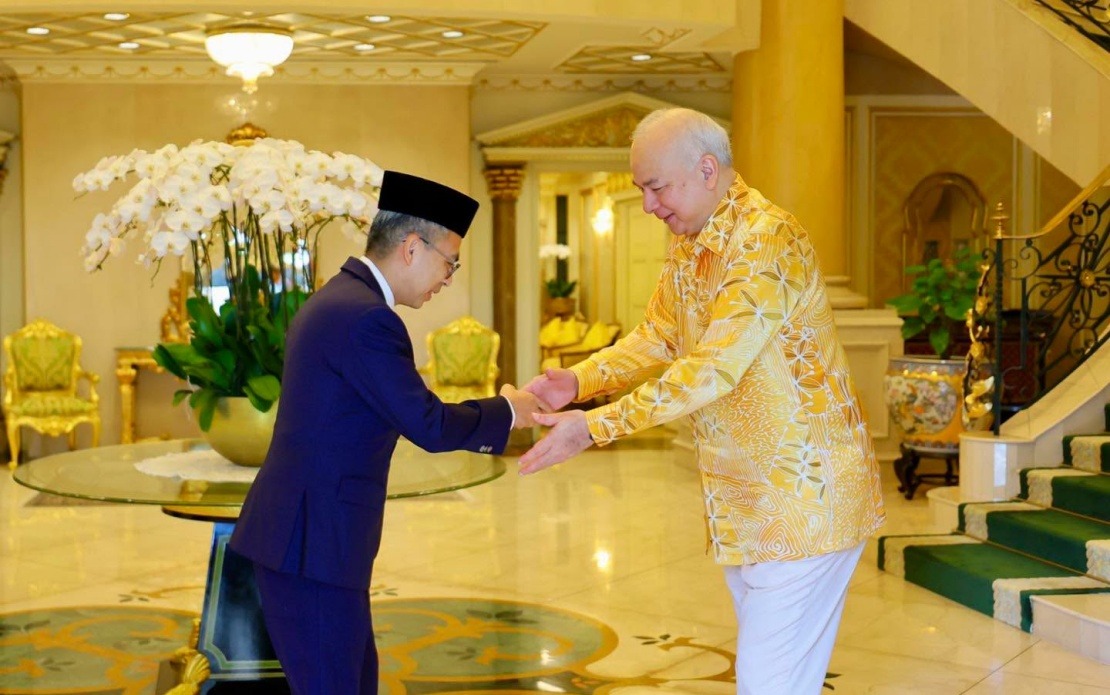
Communications Minister Datuk Fahmi Fadzil has provided Sultan Nazrin Shah, the Sultan of Perak, with a comprehensive update on the federal government's strategic initiatives aimed at bolstering communication infrastructure across the state and extending digital service coverage to underserved communities. The briefing took place during a formal audience granted to the minister, reflecting the importance placed on keeping the state's monarchy informed of major developmental projects with direct implications for Perak's residents and economic growth.
As a state with significant industrial and agricultural sectors, Perak has emerged as a priority area for digital transformation efforts. The expansion of communication infrastructure represents a critical component of the government's broader ambition to ensure that rural and semi-urban communities within the state gain equitable access to modern telecommunications services. This initiative aligns with Malaysia's positioning as a digital economy within the Southeast Asian region, where connectivity gaps between urban centres and hinterland areas continue to present challenges for inclusive economic development.
During the audience, Fahmi underscored the multifaceted nature of the government's approach to digital expansion. Beyond the physical infrastructure requirements—which involve laying fibre optic cables, constructing transmission towers, and upgrading existing network systems—the minister highlighted the critical importance of addressing online safety concerns. This dimension of the briefing demonstrates official recognition that infrastructure expansion must be accompanied by robust frameworks protecting users from cyberthreats, digital fraud, and inappropriate online content, particularly affecting vulnerable populations including children and the elderly.
The emphasis on online safety during the briefing carries particular weight in Malaysia's current digital landscape. As broadband penetration increases and more citizens engage with digital banking, e-commerce, and government services, the vulnerability to cybercriminals and malicious actors has intensified proportionately. Perak's development trajectory will necessarily require not only technological capability but also comprehensive digital literacy programmes and protective mechanisms that instil public confidence in using online platforms for commercial and administrative purposes.
Fahmi's engagement with the Palace reflects the consultative nature of major policy initiatives affecting individual states. The federal government recognises that state rulers, as constitutional heads and custodians of regional interests, play an important intermediary role between central authorities and local communities. By briefing Sultan Nazrin Shah directly, the Communications Ministry ensures that the Palace can champion infrastructure development efforts within Perak's broader administrative and social frameworks, lending legitimacy and cultural resonance to technological initiatives that might otherwise be perceived as purely technical undertakings.
Perak's geographic diversity—encompassing the Kinta Valley's industrial concentrations, extensive rubber and palm oil plantations, tin mining heritage areas, and tourist destinations—necessitates tailored approaches to communication infrastructure deployment. Rural communities dependent on agricultural export industries require reliable connectivity for supply chain management, while tourism zones need robust digital services to compete in international markets. The government's expansion strategy must therefore accommodate these varied economic contexts rather than adopting a one-size-fits-all deployment model.
The timing of this briefing also reflects broader shifts in Malaysia's digital policy framework. The government has committed substantial resources to closing the digital divide that historically disadvantaged non-Klang Valley states. Perak, despite its economic significance, had previously suffered from infrastructure underinvestment relative to the federal territories and Selangor. Enhanced communication networks promise to unlock entrepreneurial potential among Perak's population, enabling small and medium enterprises to access digital markets and reducing operational costs through cloud-based services and digital financial instruments.
From a regional perspective, Perak's infrastructure advancement contributes to ASEAN-wide digitalisation objectives. As member states coordinate efforts to develop interconnected digital ecosystems, individual state-level initiatives gain strategic importance. Enhanced communication infrastructure in Malaysian states reduces the digital disparities that fragment the broader Southeast Asian market, facilitating cross-border e-commerce, digital services provision, and technology sector development that benefits the entire region's competitive positioning against global technology giants.
Fahmi's public acknowledgment of the briefing through social media channels—including prayers for the Sultan's health and wellbeing—demonstrates the diplomatic dimensions of infrastructure policy-making. Such gestures reinforce institutional relationships between the executive government and constitutional monarchies, establishing frameworks within which development agendas can advance with broad stakeholder support. The Palace's engagement signals that infrastructure modernisation enjoys royal endorsement, potentially smoothing implementation processes and community acceptance of necessary developmental activities.
Looking forward, the briefing's outcomes will likely manifest in accelerated infrastructure projects within Perak during coming years. Whether through enhanced private sector participation, increased government budgetary allocation, or public-private partnerships, the royal briefing serves as a catalyst for converting policy commitments into tangible improvements in service delivery. The state's residents stand to benefit from faster internet speeds, expanded coverage in previously underserved areas, and the economic opportunities accompanying digital connectivity.