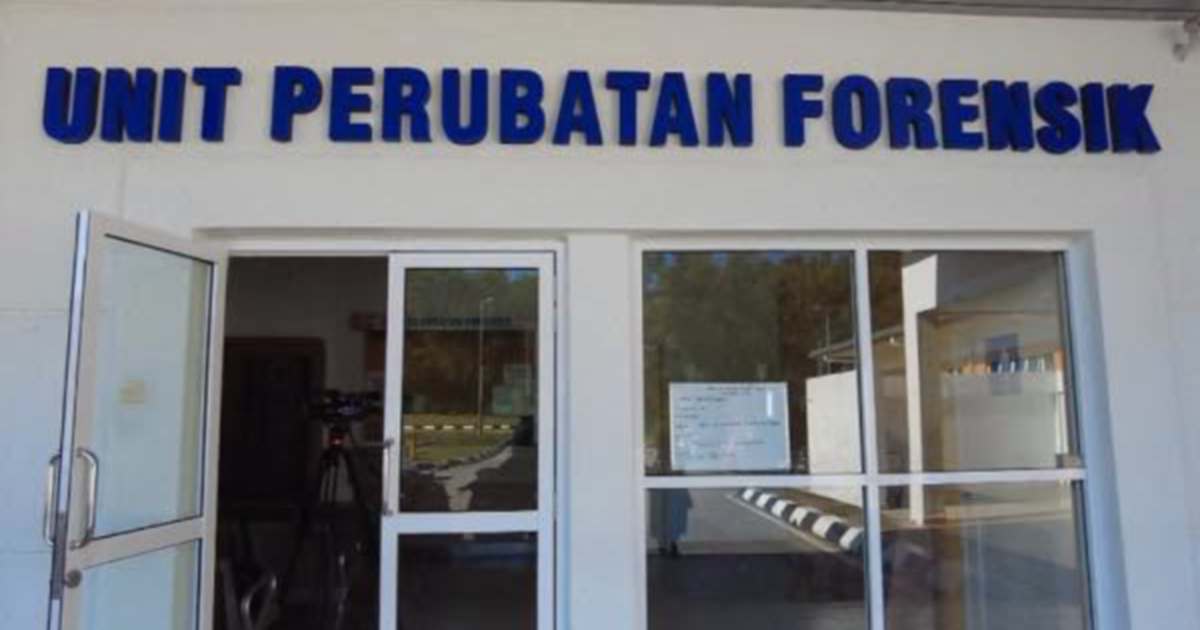
Prime Minister Datuk Seri Anwar Ibrahim has formally conveyed sympathies to the family of a Form Four female student whose sudden death occurred at a secondary school located in Seremban during school hours this morning. The incident marks another tragedy within Malaysia's education system, prompting renewed scrutiny of student health and safety measures in secondary institutions across the country.
The circumstances surrounding the student's death remain under investigation, with school administrators and relevant authorities working to establish the exact cause and sequence of events that led to this tragic outcome. Such incidents send shockwaves through educational communities and raise critical questions about how schools are equipped to respond to medical emergencies and unexpected health crises affecting their student populations.
This tragedy underscores the ongoing tension between the demands placed upon students in Malaysia's competitive academic environment and the corresponding need for comprehensive health monitoring and pastoral care within school settings. Secondary school students, particularly those in upper forms preparing for national examinations, often experience considerable stress and pressure that can manifest in various physical and psychological health complications. The incident serves as a sobering reminder that schools must remain vigilant about the holistic wellbeing of their charges beyond purely academic considerations.
Schools in Malaysia have historically relied on school nurses, counsellors, and basic medical facilities to address student health concerns, yet the adequacy of these resources remains a matter of ongoing debate among education stakeholders. Seremban schools, serving a significant student population in Negeri Sembilan, are expected to maintain appropriate safety standards and emergency response protocols, though implementation consistency across different institutions remains variable. The availability and training of school medical personnel can significantly influence outcomes during critical health emergencies.
The Prime Minister's immediate acknowledgement of this incident through formal condolences signals governmental attention to student welfare issues, reflecting the administration's broader education policy framework that emphasizes creating supportive learning environments. Such high-level recognition of individual tragedies can help catalyse institutional reviews and policy reconsiderations regarding how schools approach student health management and emergency preparedness procedures.
For families in Negeri Sembilan and throughout Malaysia, incidents of this nature generate considerable anxiety about their children's safety during school hours. Parents entrust educational institutions with the protection and wellbeing of their sons and daughters during extended periods each day, creating an implicit social contract that schools will maintain standards of care and readiness to handle emergencies. When tragedies occur, they inevitably erode confidence in these institutional safeguards and prompt families to reassess the adequacy of measures protecting their children.
Educational authorities and school administrators are likely to conduct comprehensive reviews following this incident, examining existing health and safety protocols, emergency response procedures, and the availability of medical resources within school facilities. Such reviews may encompass everything from the accessibility of automated external defibrillators and first aid equipment to the adequacy of staff training in recognising and responding to medical emergencies across diverse age groups and health conditions.
The broader Malaysian education system has increasingly recognised the importance of preventive health measures and early intervention strategies designed to identify students experiencing health difficulties before critical situations develop. School-based health screening programmes, mental health awareness initiatives, and partnerships between educational institutions and external healthcare providers represent evolving approaches to protecting student welfare, though implementation remains inconsistent across Malaysia's diverse education landscape.
Seremban, as a major urban centre in Negeri Sembilan, hosts multiple secondary schools serving diverse student populations with varying socioeconomic backgrounds and health profiles. The concentration of students in secondary institutions creates inherent challenges for school administrators balancing educational delivery with comprehensive pastoral and health responsibilities. This particular incident will likely prompt renewed focus on whether current resources and protocols adequately meet these complex demands.
As investigations into the precise circumstances of the student's death continue, Malaysian society faces another opportunity to examine whether existing safeguards within schools genuinely protect young people or whether systemic gaps remain that require urgent policy intervention. The tragedy emphasises that even in institutional settings designed to support young people's development, unexpected health emergencies can occur, necessitating robust preparedness and rapid response capabilities from school administrators and support staff throughout Malaysia's educational system.
%22%2F%3E%3C%2Fpattern%3E%3C%2Fdefs%3E%3Crect%20width%3D%22100%25%22%20height%3D%22100%25%22%20fill%3D%22url(%23ph51vrpg)%22%2F%3E%3Crect%20width%3D%22100%25%22%20height%3D%22100%25%22%20fill%3D%22url(%23ph51vrpp)%22%2F%3E%3Ctext%20x%3D%2250%25%22%20y%3D%2250%25%22%20text-anchor%3D%22middle%22%20dominant-baseline%3D%22central%22%20fill%3D%22rgba(255%2C255%2C255%2C0.95)%22%20font-family%3D%22Georgia%2C%20'Times%20New%20Roman'%2C%20serif%22%20font-weight%3D%22700%22%20font-size%3D%22320%22%20letter-spacing%3D%22-0.02em%22%3EPKR%3C%2Ftext%3E%3C%2Fsvg%3E)
%22%2F%3E%3C%2Fpattern%3E%3C%2Fdefs%3E%3Crect%20width%3D%22100%25%22%20height%3D%22100%25%22%20fill%3D%22url(%23ph517cjg)%22%2F%3E%3Crect%20width%3D%22100%25%22%20height%3D%22100%25%22%20fill%3D%22url(%23ph517cjp)%22%2F%3E%3Ctext%20x%3D%2250%25%22%20y%3D%2250%25%22%20text-anchor%3D%22middle%22%20dominant-baseline%3D%22central%22%20fill%3D%22rgba(255%2C255%2C255%2C0.95)%22%20font-family%3D%22Georgia%2C%20'Times%20New%20Roman'%2C%20serif%22%20font-weight%3D%22700%22%20font-size%3D%22320%22%20letter-spacing%3D%22-0.02em%22%3EUS%3C%2Ftext%3E%3C%2Fsvg%3E)
%22%2F%3E%3C%2Fpattern%3E%3C%2Fdefs%3E%3Crect%20width%3D%22100%25%22%20height%3D%22100%25%22%20fill%3D%22url(%23ph1fcgcg)%22%2F%3E%3Crect%20width%3D%22100%25%22%20height%3D%22100%25%22%20fill%3D%22url(%23ph1fcgcp)%22%2F%3E%3Ctext%20x%3D%2250%25%22%20y%3D%2250%25%22%20text-anchor%3D%22middle%22%20dominant-baseline%3D%22central%22%20fill%3D%22rgba(255%2C255%2C255%2C0.95)%22%20font-family%3D%22Georgia%2C%20'Times%20New%20Roman'%2C%20serif%22%20font-weight%3D%22700%22%20font-size%3D%22320%22%20letter-spacing%3D%22-0.02em%22%3EPAS%3C%2Ftext%3E%3C%2Fsvg%3E)