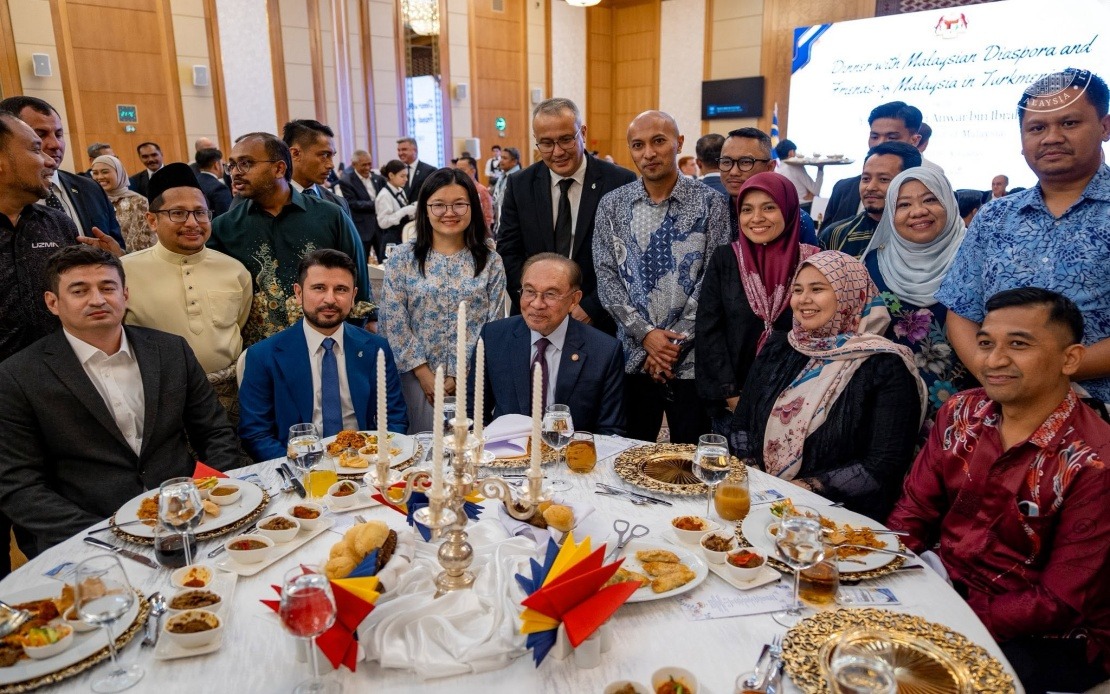
Prime Minister Datuk Seri Anwar Ibrahim has used his official visit to Turkmenistan as an opportunity to connect with Malaysians living abroad, reinforcing the MADANI Government's commitment to nurturing relationships with the nation's overseas communities. During his time in Ashgabat, the capital of Turkmenistan, Anwar engaged directly with diaspora members, highlighting the importance of maintaining strong ties between citizens working and residing internationally and their home country.
Anwar emphasised that despite the geographical distance separating these Malaysians from their homeland, the sense of connection and warmth during the gathering reflected the unity typically experienced within Malaysia itself. In a Facebook post reflecting on the encounter, he characterised the diaspora as vital ambassadors for the nation, operating informally yet effectively to enhance Malaysia's international standing and expand its networks across different regions and sectors.
The Prime Minister stressed the significance of keeping the diaspora informed about Malaysia's ongoing development and progress. This engagement strategy reflects a broader governmental approach to leverage overseas communities as channels for strengthening Malaysia's soft power and international relationships. By maintaining active dialogue with Malaysians abroad, the government aims to foster a sense of national belonging regardless of physical location, potentially encouraging continued investment of time, expertise, and resources in Malaysia's future.
Anwar's visit to Turkmenistan carries broader strategic dimensions beyond the immediate diaspora engagement. The Prime Minister clarified that the two-day official visit encompasses far more than conventional trade and investment discussions, though these remain important components. Instead, the visit represents an intentional effort to deepen bilateral friendship, enhance mutual understanding between Malaysia and Turkmenistan, and identify emerging areas where both nations can cooperate to mutual benefit.
This visit marks Anwar's first official journey to the Central Asian nation, occurring in response to an invitation from Turkmenistan President Serdar Berdimuhamedov. The reciprocal nature of the engagement is evident from Berdimuhamedov's earlier official visit to Malaysia in December 2024, establishing a foundation for expanded diplomatic and economic cooperation between the two countries. Such high-level exchanges typically signal the beginning of deeper institutional relationships and increased bilateral engagement across multiple sectors.
For Malaysia, cultivating relationships with Central Asian nations like Turkmenistan holds particular relevance given the region's economic potential and its positioning along significant trade corridors. Turkmenistan possesses substantial natural gas reserves and serves as a bridge between Europe, Asia, and the Middle East, making it a strategically important partner for Malaysian businesses seeking regional expansion. The government's emphasis on broadening cooperation beyond traditional economic metrics suggests openness to collaborations in technology, education, culture, and other non-traditional domains.
The engagement with the diaspora in Ashgabat also reflects a recognition that Malaysians working internationally represent valuable networks capable of facilitating business connections and knowledge transfer. Many overseas Malaysians hold positions of influence in their respective sectors and regions, making them potential catalysts for advancing Malaysian interests through informal channels. By maintaining governmental awareness of and engagement with these communities, Malaysia ensures that its diaspora remains emotionally connected to national initiatives and developments.
The MADANI Government's approach to diaspora relations appears to prioritise inclusivity and recognition of overseas citizens' contributions to the nation's international image. Rather than viewing diaspora as distant from national affairs, this approach actively integrates them into the broader narrative of Malaysia's development and global engagement. Encouraging diaspora members to stay informed about domestic progress creates opportunities for them to advocate for Malaysia within their respective communities, thereby amplifying the nation's reach and credibility.
Anwar's visit also underscores Malaysia's expanding diplomatic footprint in regions historically less engaged by Southeast Asian nations. Central Asia represents a frontier for Malaysian diplomacy, offering opportunities to establish first-mover advantages in emerging markets and to position Malaysia as a reliable bridge between East and West. The government's willingness to invest high-level political capital in such visits signals its strategic ambitions beyond the traditional Southeast Asian theatre.
The message directed toward the diaspora emphasises that maintaining connection with Malaysia's development trajectory matters regardless of physical location. This reflects an understanding that globalised Malaysians benefit from understanding their home country's trajectory, policies, and opportunities. Such understanding positions them better to represent Malaysian interests authentically within international settings and potentially contributes to personal and professional decisions regarding future engagement with Malaysia.
Moving forward, the engagement pattern established during this Turkmenistan visit may indicate a broader governmental strategy to systematically engage diaspora communities across different regions. Creating regular touchpoints between the highest levels of government and overseas Malaysians sends a powerful signal about their value to national interests. This approach could strengthen the bonds between Malaysia and its diaspora while simultaneously enhancing the nation's soft power projection globally and establishing Malaysia as a nation that values and maintains relationships with its citizens regardless of where they choose to work and reside.