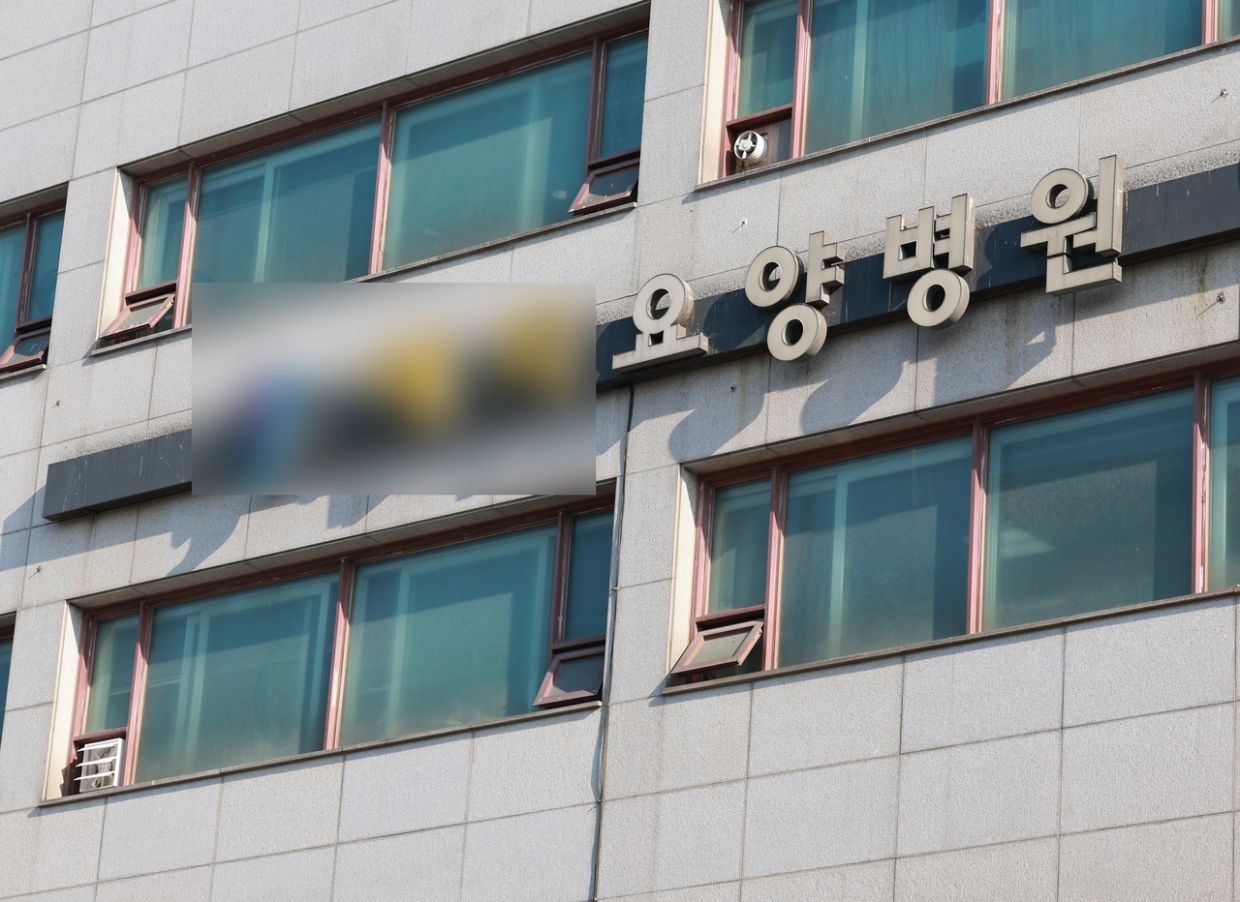
Police in Incheon, South Korea have concluded their initial investigation into a disturbing discovery at a recycling facility, determining that a severed human leg found at the Southern Regional Resource Recovery Centre on June 10 was accidentally disposed of by a local hospital. The confirmation came Friday following a report filed by hospital staff two days earlier, bringing clarity to what appeared at first to be a potentially serious criminal matter but has instead revealed significant institutional failings in medical waste management procedures.
The leg belonged to a woman in her 80s who underwent amputation at a nursing hospital located in Jung-gu district, Incheon. According to police, the limb was initially classified as medical waste at the facility but was subsequently mixed with general refuse by a member of the cleaning staff in their 60s, who disposed of it believing the body part came from a mannequin. This tragic bureaucratic error highlights the critical importance of proper segregation protocols for hazardous medical materials within healthcare institutions, particularly in facilities managing elderly and vulnerable populations.
The discovery at the recycling centre at approximately 2.28pm triggered a full police investigation, which proceeded methodically through forensic examination and cross-referencing. Officers from the Incheon Yeonsu Police Station engaged the National Forensic Service to analyse the human remains and confirm their origins. Initial DNA testing established that the leg belonged to an adult, and subsequent analysis confirmed it matched the genetic profile of the elderly female patient from the Jung-gu hospital, conclusively linking the body part to the facility.
While investigators found no evidence of criminal wrongdoing or foul play in the actual amputation procedure itself, the hospital now faces potential legal consequences under South Korea's Wastes Control Act, which explicitly mandates that all medical waste be discarded separately using government-designated containers. The law exists precisely to prevent situations like this one, where hazardous biological materials enter mainstream waste streams and recycling facilities where they pose contamination and public health risks. The carelessness demonstrated by hospital staff in handling regulated medical waste represents a serious breach of established legal and safety protocols that exist to protect both public health and worker safety at recycling and waste management facilities.
Police investigators are currently examining whether the hospital adhered to the relevant legal clauses governing the disposal of amputated limbs and other surgical waste. This examination extends beyond mere negligence to include compliance with specific waste management procedures that hospitals are required to implement. The findings could result in administrative penalties, fines, or other sanctions depending on how thoroughly the hospital's protocols fell short of regulatory standards. Healthcare facilities across the region should take note of this case as a cautionary example of the consequences that follow when institutional procedures are circumvented or ignored by staff members.
The investigation has also expanded to examine potential violations under South Korea's Medical Service Act regarding the amputation procedure itself. Unconfirmed allegations have surfaced suggesting that the Jung-gu hospital may lack the necessary medical equipment and facilities required to perform amputation surgery safely and in accordance with professional standards. Police have proceeded cautiously on this aspect, declining to make definitive statements until they have thoroughly reviewed all available evidence and consulted with relevant authorities and professional bodies. The distinction between a facility-wide waste management failure and a more fundamental question about surgical capability represents an important distinction that investigators must clarify.
The complexity of determining appropriate criminal liability under the Medical Service Act has prompted police to seek guidance from multiple stakeholders before reaching conclusions. A police official stated that the department has not yet identified specific criminal punishment clauses applicable to this case and therefore plans to consult with the Korean Medical Association, the Ministry of Health and Welfare, and legal experts before finalising their findings. This measured approach reflects the intricate interplay between public health regulations, medical professional standards, and criminal law in South Korea's legal framework.
The patient's family provided important context during police interviews, explaining that they had pursued admission to the nursing hospital specifically because other healthcare facilities had declined to accept her due to her rapidly deteriorating medical condition. This detail underscores the desperation sometimes faced by families seeking care for elderly relatives with complex health issues, particularly when mainstream hospitals are unwilling or unable to provide ongoing treatment. The circumstances surrounding the patient's hospitalisation may influence how authorities ultimately assess the institution's conduct and whether administrative rather than criminal remedies are most appropriate.
For Malaysia and other Southeast Asian nations with rapidly ageing populations, this incident provides an instructive case study in the importance of rigorous waste management protocols within healthcare institutions. As medical amputation and other surgical procedures become increasingly common in ageing societies, proper disposal mechanisms must be a cornerstone of institutional policy. The case also illustrates how oversights by individual staff members, even when unintentional, can create serious public health and environmental hazards that extend far beyond the hospital walls into community recycling and waste processing systems.

%22%2F%3E%3C%2Fpattern%3E%3C%2Fdefs%3E%3Crect%20width%3D%22100%25%22%20height%3D%22100%25%22%20fill%3D%22url(%23ph3dce6g)%22%2F%3E%3Crect%20width%3D%22100%25%22%20height%3D%22100%25%22%20fill%3D%22url(%23ph3dce6p)%22%2F%3E%3Ctext%20x%3D%2250%25%22%20y%3D%2250%25%22%20text-anchor%3D%22middle%22%20dominant-baseline%3D%22central%22%20fill%3D%22rgba(255%2C255%2C255%2C0.95)%22%20font-family%3D%22Georgia%2C%20'Times%20New%20Roman'%2C%20serif%22%20font-weight%3D%22700%22%20font-size%3D%22272%22%20letter-spacing%3D%22-0.02em%22%3EJamal%3C%2Ftext%3E%3C%2Fsvg%3E)