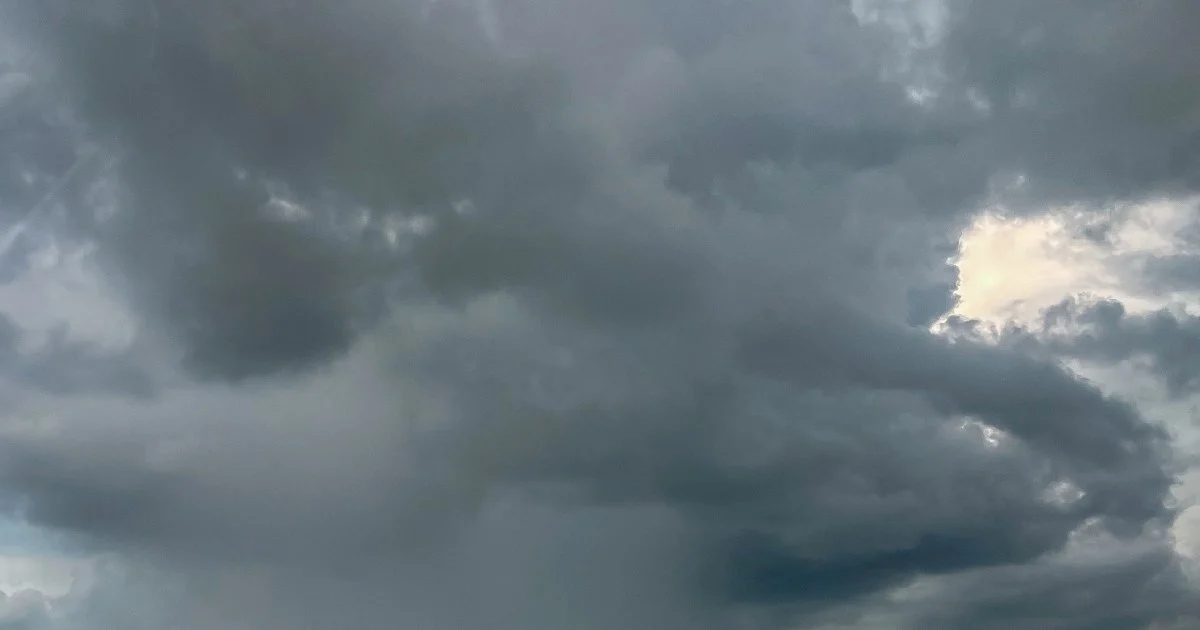
The Malaysian Meteorological Department has cautioned the public across four northern states about an impending spell of severe thunderstorms expected to continue through the morning hours until noon. The alert encompasses multiple states and carries warnings of substantial rainfall and powerful winds that could disrupt daily activities and pose risks to residents and commuters across the affected regions.
MetMalaysia's forecasting team identified thunderstorm systems moving across northern Malaysia, bringing with them the classic combination of hazardous weather phenomena. The department's decision to issue formal warnings reflects the intensity and geographic spread of the developing weather patterns, suggesting conditions severe enough to warrant public alert and precautionary measures.
Heavy precipitation forms the core concern in this weather system. The anticipated rainfall could lead to flooding in vulnerable areas, particularly low-lying neighbourhoods, flood-prone zones, and regions with inadequate drainage infrastructure. Residents in these areas should monitor water levels and prepare evacuation routes if necessary. Urban drainage systems may become overwhelmed, and outdoor activities should be postponed until the warning period concludes.
Strong wind gusts accompanying the thunderstorms present additional hazards that residents should not underestimate. Loose outdoor structures, signage, and unsecured objects could become projectiles during severe wind episodes. Motorists should exercise heightened caution as sudden gusts can affect vehicle control, particularly for high-profile vehicles such as buses and lorries. Motorcyclists face elevated accident risks and should consider delaying non-essential journeys.
The timing of this weather event carries practical implications for commuters and businesses. With the warning period extending through the morning until noon, the peak hours of business and school operations will experience disruption. Parents should monitor school announcements regarding potential closures or delays, whilst employers may need to implement flexible working arrangements to accommodate travel difficulties.
For maritime operations, these thunderstorm conditions warrant specific precautions. Fishermen and vessel operators are advised to curtail activities during the warning window, as rough seas generated by strong winds pose serious safety risks. Coastal areas will experience particularly turbulent conditions, and small boat operations should be suspended or undertaken only with enhanced safety protocols.
The geographic concentration in northern states suggests this weather system follows established seasonal patterns common to Malaysia's regional meteorology. These northern corridors, encompassing areas like Perlis, Kedah, Penang, and potentially extending into northern Perak, frequently experience such convective activity during certain periods, though intensity and timing can vary considerably.
Residents should ensure emergency preparedness measures are in place before the thunderstorm window arrives. This includes securing loose items around homes and premises, checking drainage systems, and establishing communication plans with family members. Vulnerable populations including the elderly and those with medical conditions should have contingency arrangements prepared.
Electrical systems require attention during thunderstorm periods, as lightning strikes pose electrocution risks and potential fire hazards. Residents should unplug non-essential electrical appliances and avoid contact with metal objects during the storm's passage. Power disruptions may occur in affected areas, and residents should have alternative lighting sources and charging facilities available.
Historically, such weather warnings demonstrate the importance of heeding meteorological alerts. Malaysia experiences regular thunderstorm activity, but formal warnings indicate conditions anticipated to exceed typical severity thresholds. The department's issuance of this alert reflects professional assessment of atmospheric conditions and represents responsible public health communication.
Businesses operating in the affected zones should implement contingency protocols for potential disruptions. Supply chain delays, operational challenges, and staffing complications commonly accompany severe weather events. Companies with weather-sensitive operations should activate monitoring systems and communication channels to coordinate responses.
Public transport operators across the northern states will likely implement modified service schedules or additional safety measures during the warning period. Commuters should anticipate potential delays and plan accordingly, allowing extra travel time and remaining flexible with appointments if necessary.
Once the warning period concludes at noon, residents should monitor follow-up communications from MetMalaysia regarding whether conditions stabilise or whether additional weather alerts become necessary. The department typically provides updated forecasts as conditions develop, and checking their official channels remains essential for accurate, current information.


%22%2F%3E%3C%2Fpattern%3E%3C%2Fdefs%3E%3Crect%20width%3D%22100%25%22%20height%3D%22100%25%22%20fill%3D%22url(%23phusd7g)%22%2F%3E%3Crect%20width%3D%22100%25%22%20height%3D%22100%25%22%20fill%3D%22url(%23phusd7p)%22%2F%3E%3Ctext%20x%3D%2250%25%22%20y%3D%2250%25%22%20text-anchor%3D%22middle%22%20dominant-baseline%3D%22central%22%20fill%3D%22rgba(255%2C255%2C255%2C0.95)%22%20font-family%3D%22Georgia%2C%20'Times%20New%20Roman'%2C%20serif%22%20font-weight%3D%22700%22%20font-size%3D%22226%22%20letter-spacing%3D%22-0.02em%22%3EPenang%3C%2Ftext%3E%3C%2Fsvg%3E)