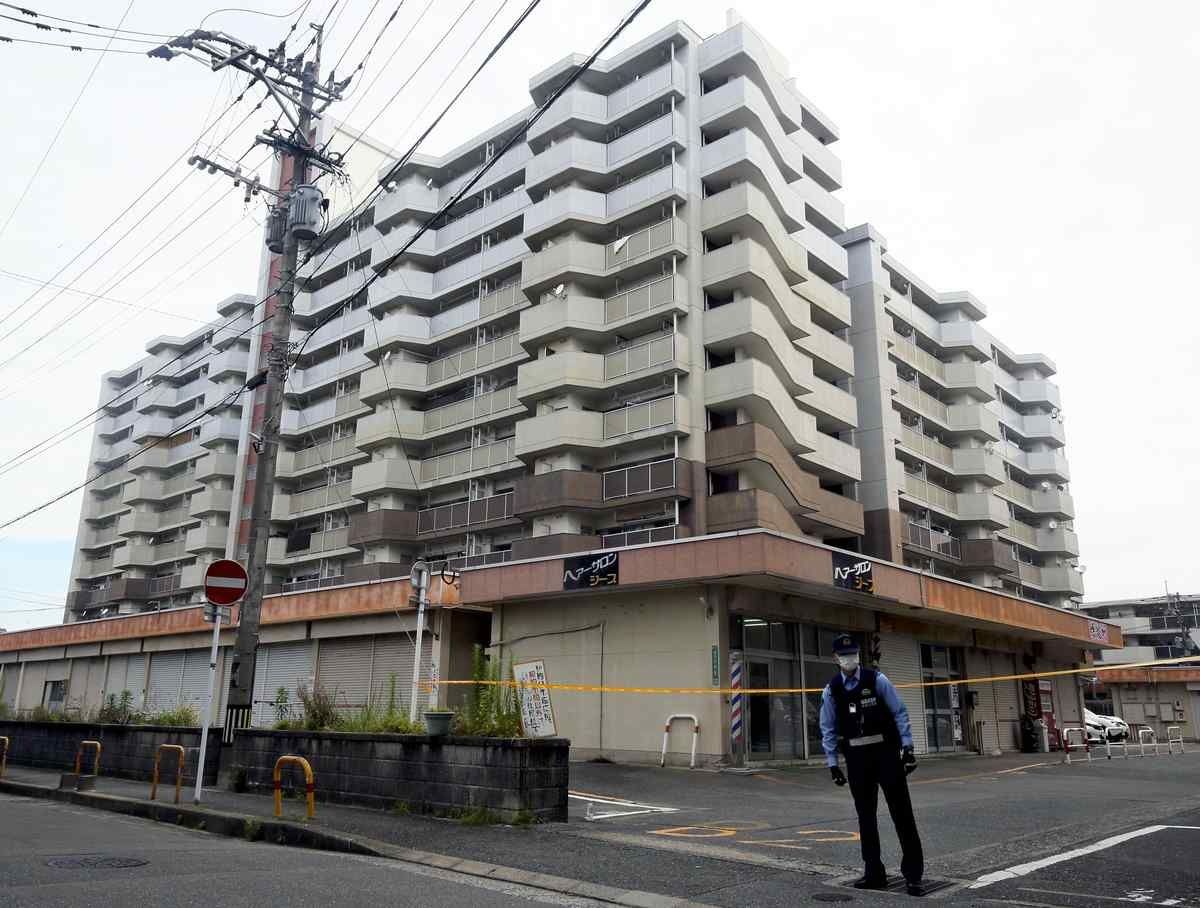
A 36-year-old woman has been apprehended by Japanese authorities following the fatal stabbing of her female companion in Fukuoka City on Thursday morning, June 18. The arrested suspect has confessed to the violent attack, which occurred in the early hours as the victim's young family members rested in a nearby bedroom, highlighting the severity of domestic violence incidents that continue to trouble Japan's prefectures.
The Fukuoka Prefectural Police's Higashi Station responded to the incident at approximately 3:15am Thursday, when the 33-year-old victim sustained multiple stab wounds to her neck and chest inflicted with a knife-like implement. Despite emergency medical intervention, the victim was pronounced dead upon arrival at the hospital, transforming what initially appeared to be an attempted murder into a homicide case.
The suspect, who was initially detained on suspicion of attempted murder, now faces formal reclassification of charges as the investigation transitions to a full murder inquiry. This shift reflects the tragic outcome of the encounter and the need for comprehensive legal proceedings to address the fatality. The Higashi Station authorities are treating the case with the gravity it demands, given both the violent nature of the assault and its circumstances.
When questioned by investigators, the 36-year-old made a candid admission of culpability, stating "It's true I did it. I stabbed her many times." This forthright acknowledgement of responsibility expedites certain aspects of the investigation, though it does little to explain the underlying motivations or circumstances that precipitated such a violent confrontation between individuals who shared a residential space and presumably a personal relationship.
The particularly disturbing element of this tragedy is the presence of the victim's three elementary school-aged children, who were sleeping in a separate room when the attack unfolded. The proximity of young, vulnerable individuals to such a violent act raises profound questions about their safety, potential trauma, and the social support systems available to child witnesses of domestic violence in Japan. Child welfare authorities will likely become involved in assessing their wellbeing and future care arrangements.
This incident reflects a broader pattern of violence within intimate spaces across Japan. Domestic and acquaintance-based homicides remain a persistent concern for law enforcement agencies nationwide, particularly when vulnerable populations such as children are present in the household. The case underscores how quickly relationships can deteriorate into lethal conflict, even among individuals who have established living arrangements and shared domestic responsibilities.
The circumstances surrounding the friendship between the two women—how long they had cohabited, the nature of any prior disputes, and the specific trigger for Thursday's violence—remain subjects of ongoing investigation. Understanding these contextual factors will be essential for establishing a complete picture of events and may inform discussions about prevention and intervention strategies for similar situations.
For Malaysian observers and the broader Southeast Asian region, this incident serves as a cautionary reminder of how domestic violence transcends cultural and economic boundaries. Japan, despite its reputation for social order and low violent crime rates, continues to grapple with serious incidents occurring within private residences where law enforcement visibility is limited and intervention is reactive rather than preventive.
The case also highlights the challenges facing judicial systems when processing domestic violence homicides. Japanese courts must balance accountability with understanding systemic factors that may have contributed to such extreme outcomes. Mental health assessments, relationship dynamics, and the presence of substance abuse or other complicating factors typically feature prominently in murder trials, influencing sentencing considerations.
Authorities in Fukuoka prefecture will continue their detailed investigation into the early morning assault. The gathering of forensic evidence, witness statements from those in the residence, and further interviews with the detained suspect will establish the evidentiary foundation for prosecution. The victim's three children, having survived a traumatic experience, will require comprehensive psychological support and counselling to process their exposure to violence and the loss of their mother.
This tragedy echoes similar incidents documented across Japan in recent years, where violence within shared living spaces has resulted in fatalities. Prevention initiatives increasingly emphasize community awareness, accessible counselling services, and early intervention protocols when warning signs of relationship breakdown emerge, though implementation remains uneven across prefectures.


