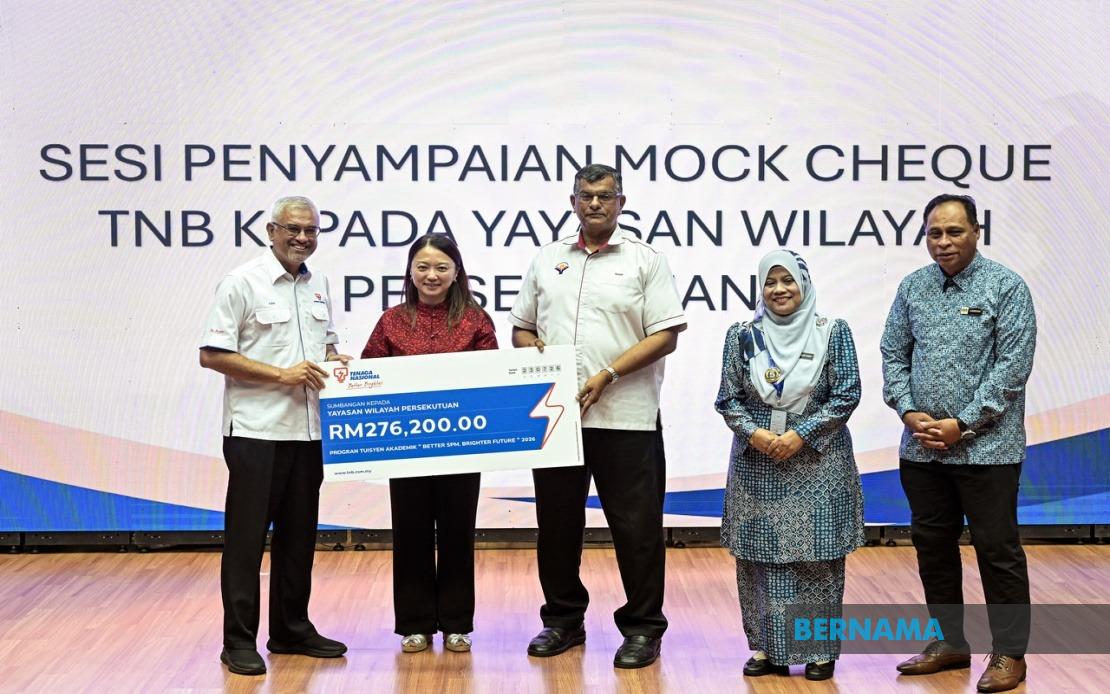
The Better SPM Brighter Future Programme has commenced operations in Kuala Lumpur, extending complimentary tuition services to approximately 1,600 Form Five students sitting the Sijil Pelajaran Malaysia examination across 40 secondary institutions throughout the federal territory. The initiative was unveiled at Sekolah Seni Malaysia Kuala Lumpur on July 23, marking a significant step in reducing educational inequities and alleviating financial pressures on families already stretched by rising cost-of-living expenses.
Hannah Yeoh, Minister in the Prime Minister's Department (Federal Territories) and chair of Yayasan Wilayah Persekutuan, underscored the rationale behind the programme's establishment. Rather than burdening parents with mounting tuition fees, the scheme provides structured academic assistance at no cost, enabling students from varying socioeconomic backgrounds to access equivalent preparation resources. This approach reflects a broader policy shift recognising that fee-based supplementary coaching perpetuates educational inequality by advantaging wealthier households whose children can afford private tuition.
The programme's funding structure demonstrates partnership between public and private sectors. Tenaga Nasional Berhad contributed RM276,200 to Yayasan Wilayah Persekutuan for programme implementation, with operational support from the Kuala Lumpur Federal Territories Education Department. This collaborative model showcases how corporate entities can meaningfully contribute to national education objectives whilst the public sector manages curriculum integration and pedagogical oversight, creating sustainable financing mechanisms beyond government budgets alone.
The curriculum focus reflects examination priorities. Four subjects form the programme's backbone: Bahasa Melayu, English, History, and Mathematics. These selections align with SPM examination weightings and recognise subjects where consistent national achievement gaps persist. Mathematics and English remain persistent challenge areas where supplementary instruction demonstrably improves outcomes, whilst History and Bahasa Melayu proficiency directly influences university admission and professional advancement prospects across Malaysian institutions.
For Malaysian parents and students, this initiative carries material significance. The RM276,200 investment translates into thousands of tuition hours delivered at zero direct cost to beneficiaries. Typical private tuition in Kuala Lumpur ranges from RM50 to RM200 per hour, meaning this funding represents substantial aggregate savings for participating households. Across 1,600 students receiving even modest weekly instruction, the economic relief extends beyond individual families to broader household budgeting, allowing parents to redirect financial resources toward other essential expenses or educational needs.
The programme's geographic targeting concentrates resources where SPM candidate density justifies infrastructure investment. Kuala Lumpur's 40 participating secondary schools encompass both federal and private institutions, suggesting inclusive targeting across varying school types. This regional concentration model enables supervisory efficiency whilst potentially serving as a pilot for expansion to other federal territories or densely-populated urban regions where similar socioeconomic pressures compound academic stress.
Beyond immediate examination support, the initiative addresses deeper developmental challenges. SPM candidates face intensifying pressure as university entrance increasingly depends on examination performance and subject grades. Free tuition relieves psychological burden alongside financial strain, potentially reducing test anxiety rooted in educational access inequities. Students who might otherwise forgo supplementary instruction due to cost constraints gain equivalent academic scaffolding, levelling preparation disparities between affluent and modest-income households.
Hannah Yeoh's concurrent remarks regarding public behaviour and environmental responsibility at Dataran Merdeka following recent events underscore education's multifaceted role. She framed cleanliness obligations and civic responsibility as educational outcomes extending beyond examination subjects. This perspective aligns with SPM's implicit civics dimensions—subjects like History encompass nation-building narratives and citizenship concepts. Tutoring that reinforce academic content whilst embodying societal values creates holistic student development extending beyond subject mastery.
The programme's timing proves strategically advantageous. SPM examinations typically commence in October, providing roughly three months of intensive preparation. This window allows structured revision cycles without excessive prolonged study, reducing student burnout whilst maximising retention benefits. Launching in July optimises this preparation window, ensuring adequate curriculum coverage and practice examination cycles before actual SPM sitting.
From a Southeast Asian perspective, Malaysia's approach merits regional consideration. Several neighbours grapple with examination access inequities where supplementary tuition remains financially prohibitive for substantial populations. The Better SPM Brighter Future model demonstrates feasibility of publicly-funded tuition delivery through corporate partnership, offering replicable frameworks addressing similar regional challenges. Thailand, Indonesia, and Philippines governments implementing equivalent programmes could potentially narrow achievement disparities affecting national competitiveness.
The programme's success metrics will ultimately determine its expansion trajectory. Monitoring SPM pass rates, subject-specific achievement improvements, and longitudinal university admission outcomes among participants will clarify programme efficacy. Should preliminary data demonstrate meaningful achievement gains, stakeholder expectations for broader implementation across all Malaysian states would intensify, potentially necessitating substantially expanded funding commitments and institutional capacity-building.
Looking forward, the initiative represents incremental progress addressing Malaysia's persistent educational inequities. Whilst free tuition represents meaningful intervention, systemic solutions require complementary investments in school infrastructure, educator development, and curriculum enhancement. The Better SPM Brighter Future Programme's success as a standalone intervention depends not solely on tuition provision quality, but rather on supporting ecosystems enabling knowledge translation into sustained academic excellence and lifelong learning outcomes.

