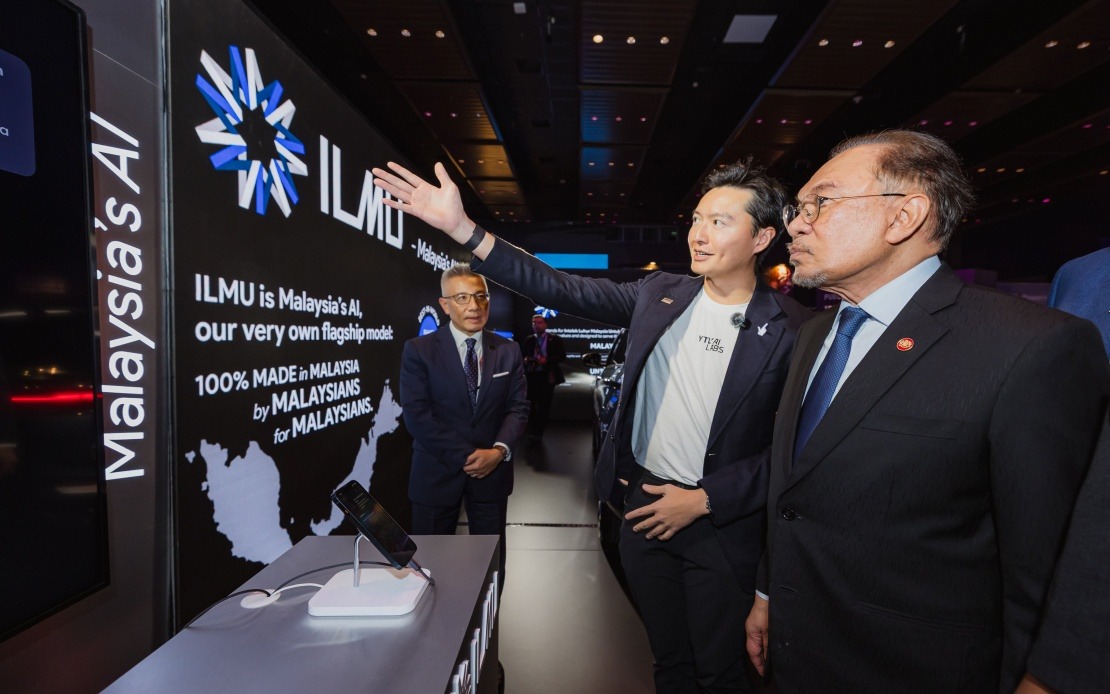
The Malaysian government has launched an ambitious digital literacy initiative targeting young adults, offering 100,000 citizens aged 18 to 30 complimentary three-month subscriptions to ILMUchat Pro, a domestically developed artificial intelligence assistant. The rollout commenced on August 31 as part of Malaysia's 69th Independence Day commemoration, positioning the programme as a symbolic step toward building a digitally empowered generation.
ILMUchat Pro, created by YTL AI Labs, represents a significant departure from generic international AI tools by being engineered specifically for the Malaysian context. The platform recognises how locals naturally communicate across multiple languages—seamlessly blending Bahasa Malaysia, English, Mandarin Chinese, and Manglish into everyday conversations. This linguistic flexibility is critical for a multilingual nation where code-switching is commonplace in professional and personal settings, making the assistant more intuitive than globally-standardised alternatives that struggle with such linguistic fluidity.
The initiative falls under the Ministry of Digital's AI Untuk Rakyat programme, a coordinated effort bringing together YTL AI Labs and MyDIGITAL Corporation via the Rakyat Digital platform. This three-tier collaboration signals the government's strategy of leveraging private sector innovation while maintaining public sector coordination, ensuring equitable access to emerging technologies across demographic groups. The arrangement demonstrates how public-private partnerships can accelerate technology adoption in developing nations where government resources alone may be insufficient.
To access the free tier, eligible Malaysians must first navigate the Rakyat Digital platform, complete designated AI learning modules, then claim their subscription through a MyDigital ID login. This gatekeeping mechanism serves dual purposes: it ensures the subsidy reaches genuinely interested users rather than passive account holders, and it builds foundational AI literacy before users gain platform access. The prerequisite training transforms this from a simple giveaway into a structured educational intervention, addressing Malaysia's broader digital skills gap.
The platform's capabilities extend far beyond conversational AI. ILMUchat Pro can assist with email composition, localised service discovery, graphic design and presentation creation, and even generates functional app prototypes without requiring coding knowledge. This breadth of application is particularly valuable for young Malaysians navigating higher education or early career stages. The tool explicitly addresses domestic concerns, including queries about PTPTN loan repayments, SME grant applications, and job-seeking strategies—anchoring the technology to real Malaysian challenges rather than abstract international use cases.
Pricing the standard subscription at RM50 monthly positions this as an accessible professional tool. The three-month subsidy represents a RM150 value proposition, sufficient for users to develop genuine proficiency and potentially convert to paid subscriptions upon discovering utility. For students and young professionals in Malaysia's competitive job market, extended access to AI-assisted productivity tools could meaningfully influence academic performance and employment prospects during critical career formation years.
Prime Minister Datuk Seri Anwar Ibrahim announced this programme in July during the AI Malaysia launch in Cyberjaya, situating it within the broader National AI Action Plan 2026-2030. This strategic positioning reflects official recognition that individual tool adoption must accompany systemic infrastructure development. The timing and prominence of the announcement underscore the government's commitment to positioning Malaysia as a regional AI hub, competing with Singapore and increasingly with other Southeast Asian nations developing domestic AI capabilities.
YTL AI Labs Chief Executive Officer Foong Chee Mun framed the initiative as an empowerment mechanism, stating that the company aims to develop young Malaysians not merely as consumers of AI but as future architects of Malaysia's technological landscape. This philosophy—shifting from passive users to active contributors—addresses a persistent challenge in developing economies where brain drain often accompanies technological advancement. By building local AI expertise and fostering entrepreneurial engagement, Malaysia may retain more technical talent within its innovation ecosystem.
The programme's targeting of the 18-to-30 demographic is strategically sound, capturing individuals at critical junctures in education and early employment. This cohort will likely shape Malaysia's technological trajectory over the next two decades, making their familiarity with advanced tools consequential for long-term competitiveness. Exposure to Bahasa Malaysia-native AI during formative professional years could also influence how young Malaysians approach technology adoption, potentially reducing dependency on foreign platforms in future purchasing and development decisions.
Redeeming the offer requires navigating a digital pathway—logging into Rakyat Digital, completing courses, selecting the tool, and activating access. While this process ensures verification, it also presupposes baseline digital literacy and reliable internet access. For the programme's objectives to be fully realised, particularly in reaching underserved communities, complementary digital access initiatives and technical support channels may be necessary to prevent disadvantaging those with less developed digital navigation skills.
The initiative reflects a deliberate policy choice to invest in technology infrastructure and digital capability during a period when Malaysia is competing globally for technological relevance. By subsidising access to locally-developed AI rather than adopting only international solutions, the government simultaneously stimulates demand for domestic innovation and demonstrates confidence in Malaysian technological enterprise. This domestically-focused approach, combined with training requirements and extensive real-world application scope, distinguishes the programme from typical corporate promotional offers.

