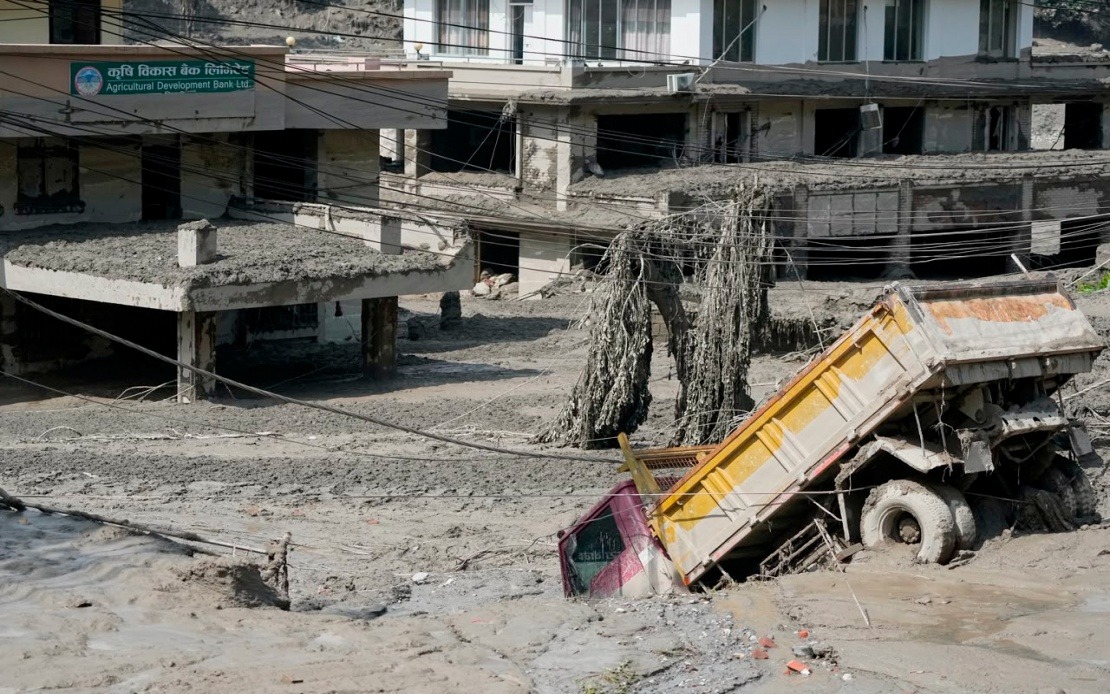
A devastating flash flood in Nepal's northern Rasuwa district has left eleven Malaysian nationals uncontactable, prompting immediate intervention by Malaysia's Foreign Ministry. The disaster struck the Bhote Koshi River area on Wednesday morning, triggering a massive surge that destroyed commercial centres, residential areas and critical infrastructure across the region. The Malaysian Embassy in Kathmandu received initial reports from travel agencies indicating that contact with the eleven citizens had been severed, with officials attributing the communication blackout to widespread damage to telecommunications and power systems wrought by the disaster.
The Foreign Ministry, operating from its headquarters in Putrajaya and commonly referred to as Wisma Putra, has mobilised consular resources to address the emergency. Embassy officials are working in close partnership with Nepalese government authorities and search and rescue teams currently deployed throughout the affected zones. This coordinated response reflects standard protocols for Malaysian diplomatic missions responding to natural disasters affecting their nationals abroad, with emphasis on locating the missing individuals and confirming their current circumstances. The situation remains fluid, with officials acknowledging the severe communication constraints that have hampered rapid verification of details.
Nepal's Rasuwa district, situated in the mountainous terrain north of Kathmandu, presents particular challenges for disaster response operations. The region's geography, combined with the destructive power of the Bhote Koshi River's flooding, has created significant obstacles for rescue personnel attempting to access remote communities. The scale of infrastructure damage means that entire sectors of the district remain without electricity or functional communication networks, complicating efforts to establish contact with stranded individuals or assess the full extent of casualties and displacement.
For Malaysian citizens currently in Nepal or those contemplating travel to the country, the Foreign Ministry has issued comprehensive safety advisories. Nationals are urged to exercise heightened caution, particularly in areas proximate to the disaster zone, and to comply strictly with all directives issued by local Nepalese authorities. The advisory emphasises personal safety as the paramount consideration during the emergency period. Those residing in or transiting through Nepal are encouraged to remain informed about developing situations and to avoid non-essential travel to affected regions until normal conditions resume.
The Malaysian government has established multiple channels for citizens to maintain contact and access support services. The e-Konsular portal, accessible at https://ekonsular.kln.gov.my, enables Malaysians to register their details and maintain current contact information with the Foreign Ministry. This system allows for rapid communication during emergencies and ensures that the government maintains an updated registry of nationals abroad. Citizens are strongly encouraged to utilise this resource, as it streamlines the identification and location process during crisis situations.
Immediate assistance for Malaysian nationals in Nepal requiring urgent help can be obtained through several direct contact points established by the Embassy of Malaysia in Kathmandu. The general lines, operating at +977 1 544 5680 and +977 1 544 5681, provide standard consular support. For matters specifically requiring consular intervention, the dedicated consular line at +977 1 544 5689 is available. An emergency helpline has been activated at +977 980 100 8000 to handle critical situations demanding immediate response. Electronic communication is also facilitated through the embassy email address [email protected], providing an alternative channel for those unable to reach telephone lines.
The incident underscores the vulnerabilities faced by Malaysian tourists and residents in mountainous regions prone to sudden natural disasters. Nepal's geography, whilst celebrated for its natural beauty and cultural attractions, presents inherent risks during monsoon seasons when precipitation intensity increases the danger of flash flooding in river systems. The Bhote Koshi River, flowing through populated areas of Rasuwa district, is particularly susceptible to rapid surges when heavy rainfall combines with upstream snowmelt. Travel advisories from various governments have previously flagged Nepal's susceptibility to such events, particularly during the monsoon months from June through September.
The Foreign Ministry's commitment to continuous monitoring reflects the seriousness with which Malaysia treats the welfare of its citizens abroad. Officials have pledged to release updated information as verified details concerning the missing nationals become available. This measured approach, whilst potentially frustrating to families awaiting news, reflects the reality that accurate information in disaster situations often takes time to compile due to communication disruptions and the logistical challenges of accessing affected communities. The ministry's coordination with Nepalese counterparts is intended to facilitate the most rapid and effective response possible within these constraints.
For Malaysian families with relatives in the affected area, the situation demands patience whilst authorities work through systematic search procedures. The Foreign Ministry's establishment of multiple contact channels indicates institutional preparedness for managing consular emergencies, though the scale and nature of this particular disaster present complications beyond standard procedures. As communications gradually restore in Rasuwa district and more comprehensive assessments of the flooding's impact become available, clearer pictures should emerge regarding the status of the unaccounted Malaysians. The situation serves as a reminder of the importance of maintaining updated contact information with diplomatic missions and registering travel plans when venturing to regions susceptible to natural disasters.

