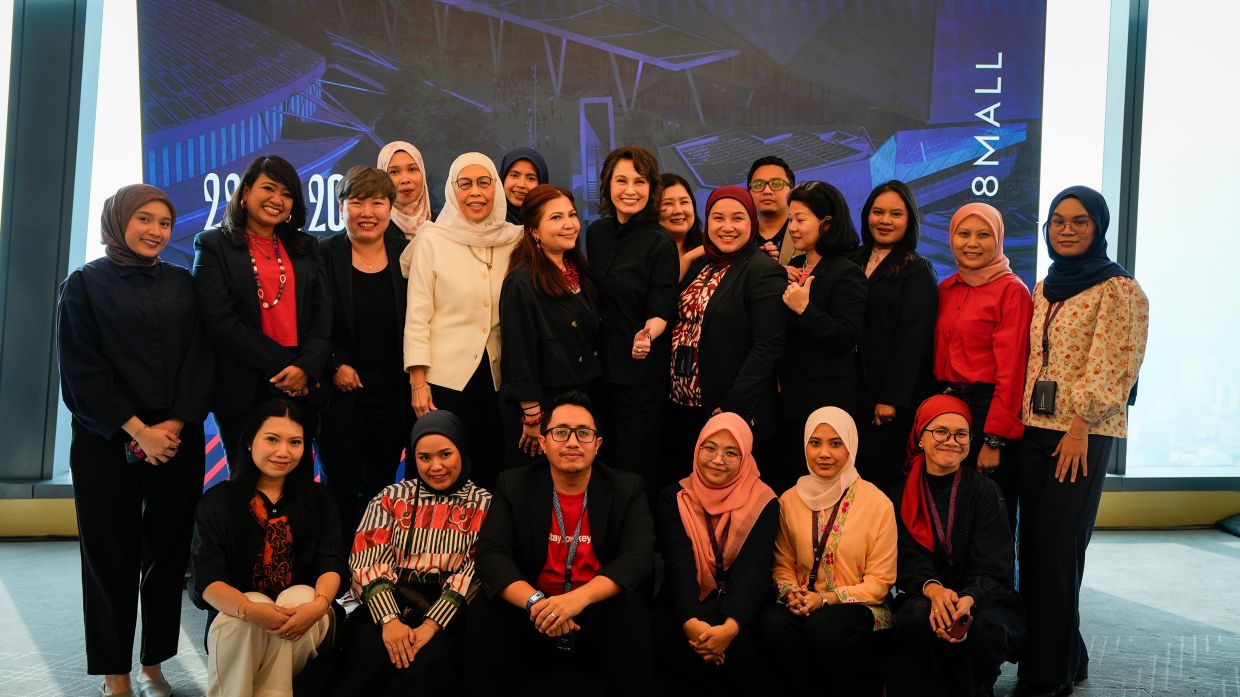
The developer of 118 Mall convened more than 200 retail partners at Park Hyatt Kuala Lumpur this week, marking a significant milestone in preparations for the shopping centre's debut next November. PNB Merdeka Ventures Sdn Bhd orchestrated the inaugural Retailers' Get-Together to align its commercial tenants with the ambitious vision shaping the sprawling development, which will anchor a mixed-use complex at the intersection of retail, hospitality, and cultural programming in Malaysia's capital.
The gathering reflected the scale of 118 Mall's ambitions and the confidence investors have placed in the project despite Malaysia's increasingly competitive shopping centre landscape. Retailers spanning fashion, food and beverage, lifestyle services, and niche categories attended the briefing, with marquee international brands including adidas, ALDO, Converse, Foot Locker, Guess, and Lacoste confirming their commitment alongside established Malaysian players such as Village Grocer and Best Denki. The breadth of retailer categories signals management's strategy to position the mall as a destination serving multiple consumer occasions rather than clustering around a single demographic or shopping purpose.
What distinguishes 118 Mall from conventional standalone shopping centres is its integration within the Merdeka 118 precinct, a sprawling development that combines retail with a luxury hotel, office towers, cultural and heritage attractions, and tourism infrastructure. This ecosystem approach has become increasingly important in Southeast Asian retail strategy, as shopping malls compete against e-commerce by transforming into lifestyle destinations that justify trips through layered experiences. The proximity to Merdeka 118's hospitality assets, particularly its upscale hotel component, creates organic footfall pathways that conventional malls struggle to generate independently.
Datuk Ir. Ts. Izwan Ibrahim, chief executive of PNB Merdeka Ventures, articulated this competitive advantage during the gathering, emphasizing that the mall's positioning within the broader ecosystem would attract tourists, corporate workers, and local residents simultaneously. This heterogeneous visitor profile contrasts with typical shopping mall traffic patterns, which often skew toward specific income brackets or shopping frequencies. By drawing hotel guests, convention attendees, and heritage tourists alongside neighbourhood shoppers, the development aims to deliver consistent footfall regardless of seasonal retail cycles or economic cycles that typically pressure standalone malls.
Management projects 118 Mall will welcome approximately 22 million visitors during its inaugural year of operations, a figure that would rank it among Malaysia's highest-traffic shopping destinations if realized. This projection assumes the broader Merdeka 118 precinct reaches operational maturity, with hotel occupancy, office utilization, and cultural attractions functioning at capacity. The forecast carries implicit risk; if any component of the integrated development underperforms, retail footfall would likely suffer proportionally. Nonetheless, the target signals management confidence in the precinct's ability to function as a unified destination rather than a collection of disparate tenants.
The mall itself will occupy seven storeys and accommodate more than 300 retail outlets, a substantial retail footprint that reflects post-pandemic shifts in how Malaysian developers conceptualize shopping centre scale. Rather than pursuing the maximum density model that dominated mall development in the 2000s, 118 Mall's layout suggests a focus on circulation, experiential activation, and operational viability. The integration of Malaysian Artisan District brands within the tenant mix addresses growing consumer interest in locally-produced goods and supports Malaysia's positioning as a destination for indigenous design and craftsmanship, an emerging tourism angle that complements the precinct's cultural programming.
Sue Wang, 118 Mall's head of retail, briefed tenants on forthcoming marketing initiatives and brand activation opportunities, signalling that the developer will take an active role in driving traffic through curated programming rather than relying solely on anchor tenants or location. Digital displays and event spaces within the mall will support seasonal campaigns and brand collaborations, tactics that acknowledge modern retail's need to generate social media moments and experiential differentiation. This promotional commitment represents a structural commitment that extends beyond traditional landlord-tenant arrangements toward active destination curation.
The timing of the retailers' gathering reflects development momentum; with 18 months remaining before the November 2026 opening, finalizing tenant rosters and aligning stakeholders on operational protocols becomes essential. The wholesale participation of established retailers suggests confidence in the project's financing and execution timeline, particularly significant given Malaysia's recent experience with stalled major developments. International fashion brands' commitment indicates international retailers perceive the market opportunity sufficiently attractive to justify presence alongside incumbents and local competitors.
For Malaysian retail professionals and property investors, 118 Mall represents a test case in integrated mixed-use development at scale. The precinct's success will influence whether subsequent major developments in Kuala Lumpur and other Malaysian cities prioritize similar ecosystem approaches or revert to specialized single-use structures. If the project delivers projected visitor volumes and generates sustainable tenant revenue, it could reshape developer expectations regarding the capital intensity required to remain competitive in Southeast Asian retail, potentially intensifying pressure on existing standalone malls and influencing capital allocation across Malaysia's retail property sector for years to come.

