The remains of 15 Indian tourists who perished in a speedboat disaster off southern Vietnam last weekend began their journey home on Monday, transported from Ho Chi Minh City to Mumbai as one of Southeast Asia's deadliest maritime incidents in recent memory exposed critical gaps in tour operator safety protocols. The tragedy has cast a shadow over one of Vietnam's most vibrant tourism corridors and raised uncomfortable questions about the regulation of speedboat services catering to the region's booming inbound tourism from South Asia.
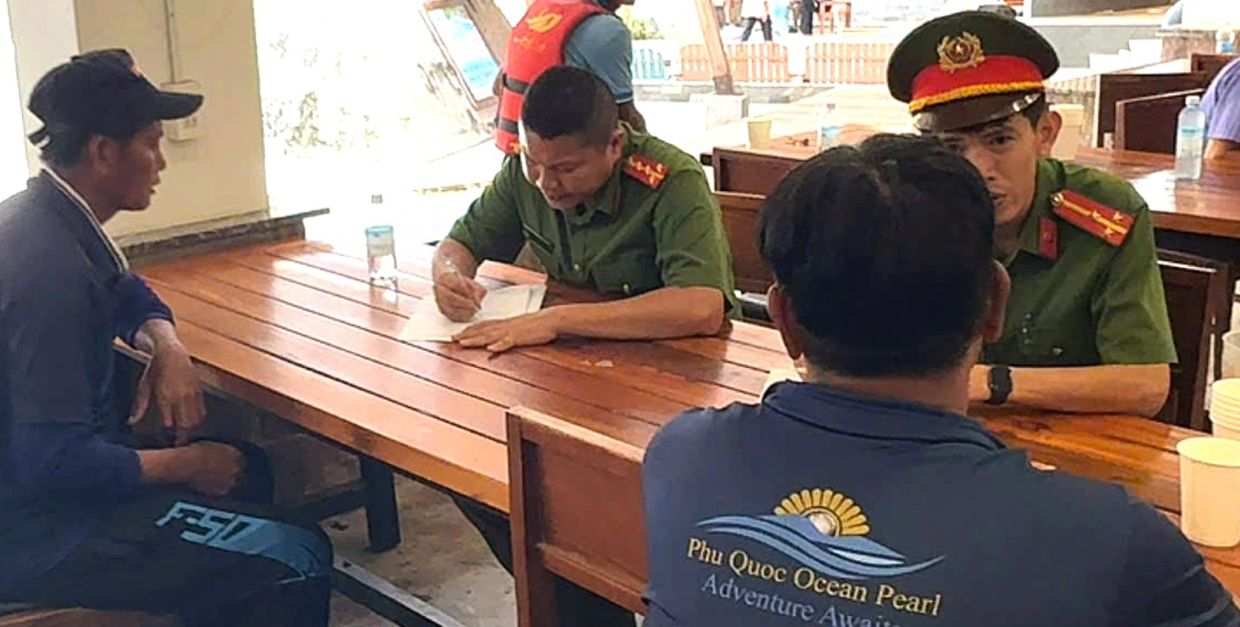
The incident unfolded on Saturday afternoon when a speedboat carrying 32 Indian nationals and four Vietnamese crew members capsized near Hon May Rut Ngoai island, positioned just offshore from Phu Quoc, Vietnam's largest island and a major resort destination. The vessel overturned shortly after departing from the island, catching passengers off-guard and transforming what was intended as a leisure excursion into a maritime emergency. Vietnamese authorities have since placed speedboat captain Nguyen Hong Hai, 57, under investigation for alleged violations of waterway transport safety regulations, signalling a preliminary focus on operator conduct rather than mechanical failure.
The deceased passengers hailed from across India's southern and central regions, with ten from Tamil Nadu, three from Andhra Pradesh, and two from Kerala. They were employees, distributors, and retail partners of Lava International, a smartphone and consumer electronics manufacturer headquartered in Uttar Pradesh, who had embarked on a corporate outing that was meant to reward loyalty and strengthen business relationships. The company trip transformed into a nightmare when weather conditions deteriorated rapidly, reminding tourists and tour operators alike of the unpredictability of maritime activities in Southeast Asia's tropical climate zones.
Accounts from survivors paint a harrowing picture of how quickly calm waters turned treacherous. Nirmal Kumar, a 44-year-old businessman and survivor, recounted to international media how a sudden storm engulfed the vessel and a large wave crashed into its side, igniting panic throughout the craft. Passengers rushed frantically across the deck as the boat rocked violently in increasingly rough seas, with the captain apparently struggling to maintain control. The situation deteriorated so rapidly that many passengers had no choice but to leap overboard as the speedboat listed dangerously and ultimately capsized, forcing them to rely on rescue operations rather than the vessel itself for survival.
Kumar's testimony underscores the psychological toll the disaster has inflicted on survivors, many of whom witnessed colleagues and companions perish. He lost a childhood friend during the incident, someone with whom he had anticipated enjoying a memorable holiday abroad. The trauma of realising that a leisurely day trip became the last day of a friend's life represents a particularly anguishing dimension of this tragedy that extends far beyond the statistical horror of the death toll. His struggle to process the loss reflects the broader emotional devastation now gripping the affected families and communities across India.
Rescue operations demonstrated respectable emergency response capabilities, with teams arriving at the scene within five minutes of the capsize and extracting survivors from the water. Sixteen survivors were initially released from hospitals and have begun returning to India, though one remained in critical condition as of Monday. The critically ill 49-year-old patient was transferred to Cho Ray Hospital, one of Vietnam's most prestigious public medical facilities in Ho Chi Minh City, for specialised intensive care. Doctors reported that the man had sustained severe lung damage from near-drowning, compounded by shock, multiple physical injuries, and bleeding in the brain—injuries suggesting significant trauma and the violence of the capsizing itself. Hospital staff noted some improvement in his blood pressure and oxygen levels, though his condition remained precarious.
The capsize occurred approximately ten kilometres south of Phu Quoc, in waters nominally familiar to Vietnamese maritime operators and frequented by tour vessels daily. Phu Quoc and its surrounding islands have earned recognition as premier beach destinations within Vietnam, celebrated for powdery white sand and crystalline waters that attract millions of domestic and international visitors annually. The irony that such an established tourism zone became the site of a major disaster illustrates how even well-trodden routes and popular destinations cannot guarantee safety when regulatory oversight or operational standards falter.
India represents one of Vietnam's fastest-growing tourism markets, with rising incomes among India's middle class driving outbound leisure travel to neighbouring Southeast Asian countries. Vietnamese tourism operators have actively cultivated this market segment, offering package tours that include speedboat excursions to island destinations. However, the Phu Quoc tragedy signals that growth in visitor numbers may have outpaced corresponding improvements in safety infrastructure, training standards, and enforcement mechanisms. The investigation into Captain Nguyen Hong Hai's alleged safety violations may reveal systemic weaknesses in how Vietnam regulates the speedboat industry serving tourists.
For Malaysian stakeholders, the incident carries lessons extending beyond expressions of sympathy for the victims. As a major tourism destination itself, Malaysia also depends heavily on speedboat and maritime tours, particularly in Sabah and Sarawak and around the Langkawi archipelago. The Vietnamese capsize provides a cautionary reminder that rapid tourism expansion requires equally rapid investment in safety standards, crew training, weather monitoring capabilities, and enforcement of regulations. Tour operators across the region should examine their own protocols to ensure that commercial pressure to maximise customer volume does not compromise the fundamental safety measures that protect visitors undertaking water-based activities.

