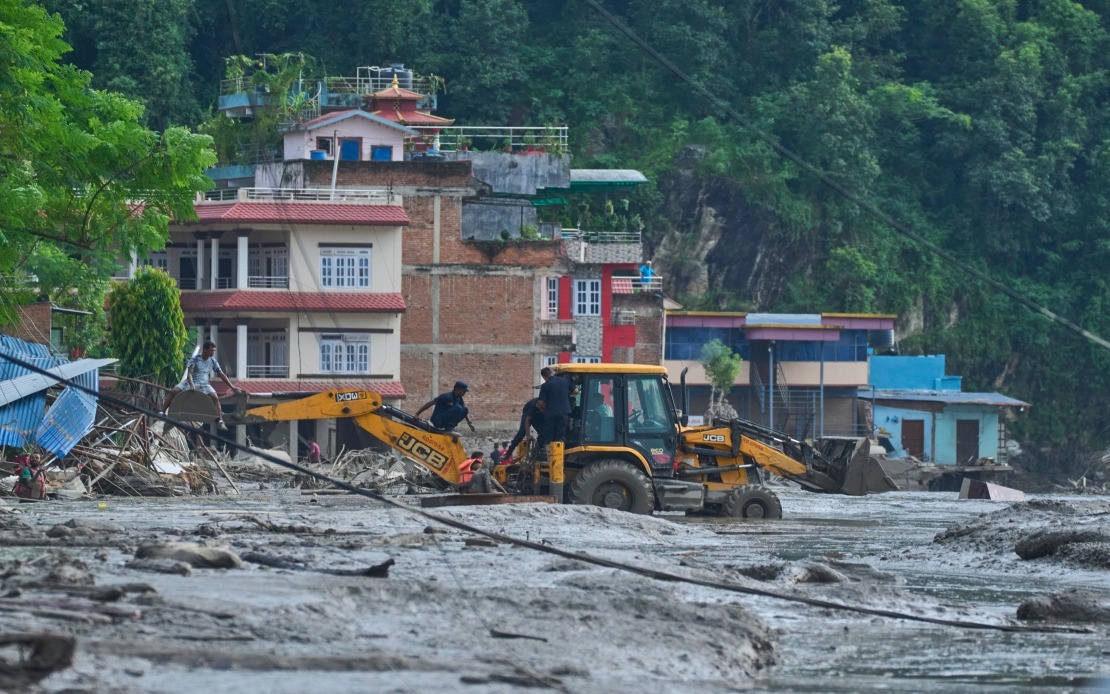
Seventeen Malaysian nationals have been reported missing following catastrophic flash floods that struck Nepal's Rasuwa district on Wednesday morning, according to updates from Nepal's tourism board. The scale of the disaster extends well beyond Malaysia, with officials confirming that hundreds of foreign nationals across multiple countries have lost contact with their families and tour operators since the calamity unfolded. The situation underscores the inherent risks faced by Asian tourists venturing into mountainous terrain during monsoon season, a reminder of the unpredictable natural hazards that can rapidly transform holiday destinations into zones of crisis.
The tour operator coordinating the Malaysian group was Fishtail Tours and Travels, a company that had organized travel packages for the affected nationals. The identity of the tour company provides a crucial link for Malaysian authorities attempting to track down the missing and coordinate rescue efforts. At the time of the latest official updates, Nepal's tourism board reported that at least 291 foreign nationals and 93 Nepali citizens remained uncontactable. Search and rescue operations, being coordinated and deployed by the Nepalese government, were actively underway to establish contact with the missing persons and determine their condition and location.
Initially, Malaysia's Foreign Ministry had indicated that 11 Malaysian nationals believed to be in Rasuwa district had become unreachable following the flood. However, the figure subsequently increased to 17 according to Nepal's tourism board, suggesting that additional Malaysians may have been on group tours or independent travel arrangements in the affected area. The discrepancy between the initial count and the revised figure highlights the difficulty authorities face in establishing an accurate inventory during the immediate aftermath of a major disaster, when communication infrastructure is compromised and contact information scattered across multiple sources.
The Malaysian Embassy in Kathmandu has taken a proactive stance, actively engaging with Nepalese authorities to coordinate search operations and gather intelligence on the whereabouts of missing nationals. Embassy officials have begun the critical task of establishing family communication channels and providing consular support to relatives of the missing in Malaysia. This diplomatic response reflects the standard protocol for assisting nationals abroad during emergencies, though the scale and remoteness of the affected region present substantial logistical challenges to traditional embassy coordination efforts.
The natural disaster originated from a sudden surge in the Bhote Koshi river, which with exceptional force swept through multiple settlements in the Rasuwagadhi-Timure area. The floodwaters obliterated entire villages, rendering roads impassable and destroying critical infrastructure including bridges, buildings, and hydropower facilities. The geographic isolation of the affected zone complicates rescue operations, as destroyed transportation routes restrict access for rescue teams and supplies. For foreign tourists accustomed to developed tourism infrastructure in urban centers, the sudden isolation in a remote mountainous region without functioning communications represents a terrifying scenario.
The international scope of the missing persons list reveals the global appeal of Nepal's trekking and tourism circuits. Beyond the 17 Malaysians, the unaccounted include 142 Indians, with 37 of these being Indian citizens residing abroad who had returned to visit the region. British, South African, and American nationals were similarly reported missing. This diversity of nationalities suggests that well-established tourist routes through Rasuwa district had attracted visitors from across Asia and the Western world, many likely unaware of the seasonal flood risks inherent to the monsoon period.
For Malaysian travelers and the tourism industry, the incident serves as a sobering reminder regarding travel safety during monsoon season in mountainous regions of South Asia. Tour operators catering to Malaysian customers will likely face renewed scrutiny regarding safety protocols, weather monitoring, and emergency evacuation procedures. The involvement of Fishtail Tours and Travels, a company handling Malaysian tour groups, may prompt wider industry review of how foreign tour operators operating in Nepal assess and communicate risks to their clients during weather-vulnerable seasons.
The implications extend beyond immediate rescue operations to considerations of travel insurance, emergency communication systems, and the adequacy of support mechanisms for Malaysian nationals abroad. Families waiting for news from the region face an agonizing period of uncertainty as rescue teams navigate destroyed landscapes searching for survivors. The disaster underscores the vulnerability of tourists in remote destinations where infrastructure and communication networks remain limited, and where natural hazards can escalate rapidly with minimal warning.
Nepal's tourism board and government agencies have mobilized significant resources for search and rescue operations, though the scale of destruction and geographic challenges mean that locating missing persons in mountainous, flood-devastated terrain remains an extraordinarily difficult undertaking. The coordination between Nepalese authorities and foreign embassy officials, including Malaysia's diplomatic mission, represents the standard international response to such crises. For the missing Malaysians and their anxious families in the country, the coming hours and days will be critical as rescue teams expand their search operations and communications are gradually restored to affected areas.

