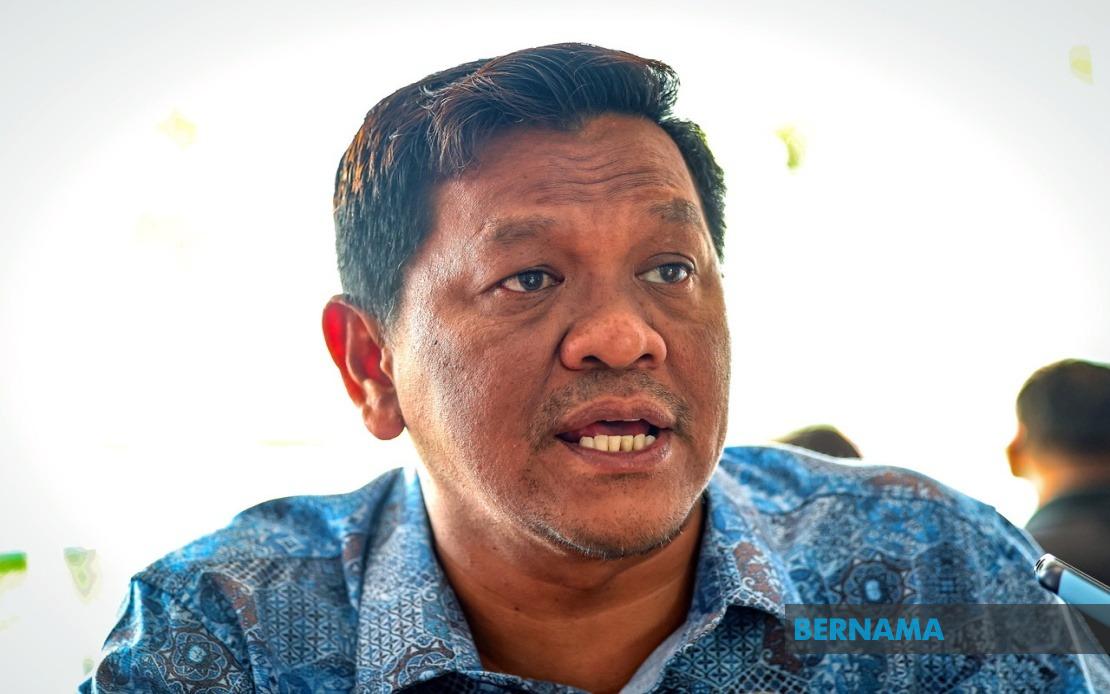
The National Security Council has begun distributing fuel vouchers worth RM5 to motorcyclists in Renggam, Kluang, marking an expansion of its community support initiatives across Johor. The scheme delivered assistance to 200 motorcycle riders on June 25 as part of a broader outreach effort designed to ease the daily transportation expenses faced by ordinary working-class Malaysians struggling with rising living costs.
Abdullah Izhar Mohamed Yusof, political secretary to the Communications Minister, characterised the voucher distribution as a reflection of government commitment to supporting ordinary citizens whilst fostering national cohesion. Speaking at the Jiwa@Komuniti MADANI Sembang Santai World Cup Edition programme in Kluang, he positioned the initiative within a larger framework of government engagement with grassroots communities, emphasising the administration's intention to make such programmes recurring rather than one-off gestures.
The programme extended beyond simple cash distribution to encompass a more comprehensive engagement model. Participating government agencies—the National Security Council, the Information Department, and the Department of Community Communications—conducted briefing sessions and facilitated dialogue between officials and residents on pressing local concerns. This layered approach suggests an attempt by the government to combine material assistance with information dissemination, addressing both immediate financial pressures and broader awareness of state policies.
According to Abdullah Izhar, such outreach programmes serve a dual strategic purpose. Beyond providing direct relief, they function as mechanisms for connecting communities with authentic government information whilst simultaneously gathering citizen feedback on policy implementation and local development priorities. The emphasis on accurate information reflects official concerns about misinformation and the importance of direct communication channels between government and citizens, particularly in less urbanised areas where information access may be limited.
For many recipients, the modest RM5 voucher represents meaningful support in their daily economic struggle. M. Raja, a 56-year-old father of five from Taman Sri Jaya, expressed genuine appreciation whilst simultaneously noting the limitations of singular assistance. His comment that the voucher would be more impactful if distributed monthly reveals the underlying economic pressures facing middle-aged motorcyclists who rely on two-wheeled transportation for their livelihoods. His gratitude, tempered by pragmatism, reflects the perspective of working Malaysians navigating tight monthly budgets.
The inclusion of rural and suburban communities in assistance schemes addresses longstanding concerns about equitable distribution of government benefits. Hee Eeck Kwe, 66, from Kampung Baru, specifically noted appreciation that outlying residential areas were not being excluded from support initiatives. This observation underscores the persistent geographic divide in Malaysia's development and the risk that assistance programmes inadvertently favour urban centres where administrative reach is easier to establish.
The Renggam voucher distribution represents a strategic pivot towards targeted community engagement at the grassroots level. Rather than employing mass media campaigns or centralised service delivery, the government apparatus is attempting to build direct relationships with local populations through visible acts of support. The choice to focus on motorcyclists—a demographic representing lower-income workers, delivery personnel, and independent traders—suggests deliberate targeting of economically vulnerable groups whose transportation choices reflect limited disposable income.
From a broader Malaysian perspective, such initiatives warrant examination for their effectiveness in addressing structural economic challenges. Whilst a RM5 voucher provides immediate relief, it does not address underlying issues of wage stagnation, transportation costs for lower-income workers, or the affordability crisis affecting working-class households. However, as engagement mechanisms, these programmes serve government communication objectives and may enhance citizen perception of state responsiveness to everyday struggles.
The stated intention to conduct such programmes regularly nationwide indicates the government's confidence in the model's value for both service delivery and political legitimacy. By combining material assistance with information sessions and community dialogue, authorities attempt to rebuild trust in government institutions and ensure that policy information reaches communities directly rather than filtered through potentially hostile media channels. The emphasis on regular, recurring programmes suggests this represents more than ad-hoc political positioning, though the sustainability and scope of such efforts will ultimately determine their real-world impact on household finances across Malaysia's working communities.

