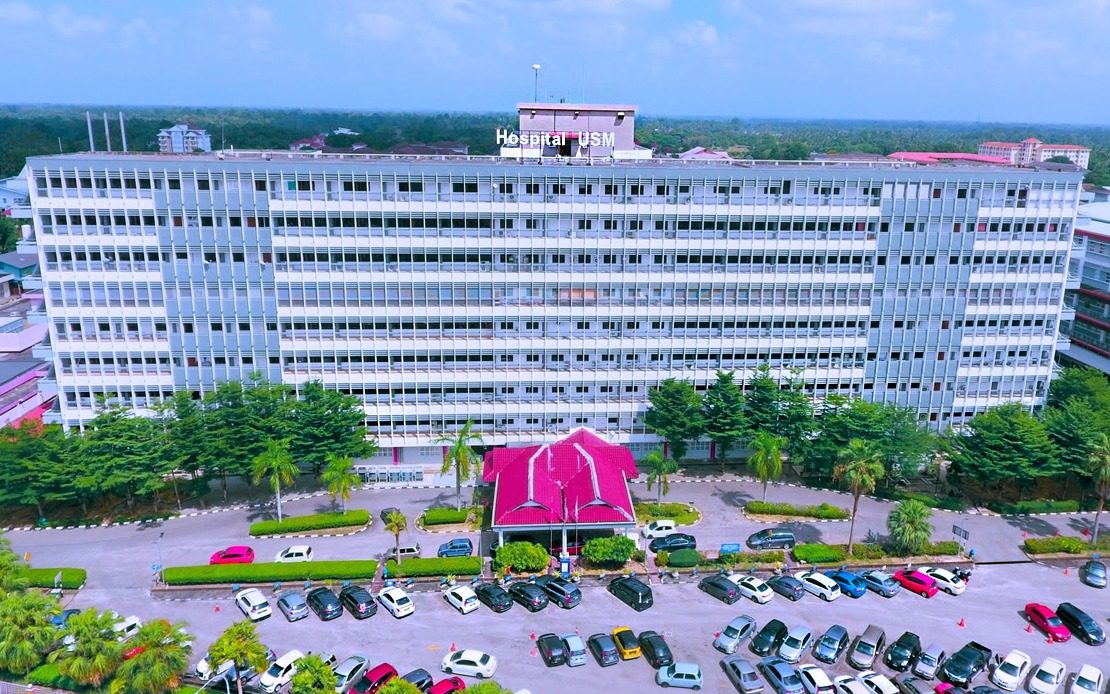
Twenty-three young patients in Kelantan are finally receiving treatment for eye misalignment after enduring prolonged waiting periods that have plagued the region's healthcare system. The surgeries are being conducted at Universiti Sains Malaysia Specialist Hospital (HPUSM) between August 16 and 20 as part of the second Strabismus Surgery Carnival, an innovative initiative designed to clear a backlog of cases that once stretched for months or even years. The children involved, ranging in age from seven to nineteen years old, represent success stories in the hospital's concerted effort to bring specialist care directly to those who need it most.
Director of HPUSM, Datuk Dr Ab Rahman Izani Ghani @ Ab Ghani, highlighted the significance of this intervention in reducing the chronic delays that have characterised treatment access in the state. He explained that the programme represents a substantial breakthrough for the institution and the families of affected children. The five-day carnival format pools expertise, resources, and operating capacity in an intensive push to deliver surgical interventions that might otherwise require months of waiting. This approach reflects a growing recognition within Malaysia's healthcare sector that concentrated surgical campaigns can effectively manage elective procedure backlogs while maintaining quality standards.
The identification of these students traces back to systematic school-based screening conducted across Kelantan over the preceding three years. HPUSM's Short-sightedness and Strabismus Eye Intervention Programme has systematically examined students across the state, identifying approximately 300 individuals with various ocular conditions, of which strabismus represents a significant proportion. The screening effort underscores a preventive public health approach that seeks to detect conditions early when intervention is most effective and least complex. By embedding eye health screening within the school system, the hospital has successfully reached a population segment that might otherwise go undiagnosed until symptoms become more pronounced or complications emerge.
Strabismus, commonly understood as a cosmetic condition affecting eye appearance, carries far more serious implications than aesthetic concerns alone. Prof Dr Shatriah Ismail, a paediatric ophthalmology consultant at USM's School of Medical Sciences, emphasises that the condition directly impacts visual development, binocular coordination, and the neurological processes underlying depth perception. Children with untreated strabismus face functional challenges that extend well beyond appearance, affecting their ability to perform academic tasks, participate in sports, and develop normal visual processing capabilities. The developmental window for treatment is narrow; surgical intervention during childhood offers substantially better outcomes than delaying until adulthood, as the visual system loses plasticity with age.
Beyond the purely medical dimensions, strabismus carries psychological consequences that influence children's social integration and emotional wellbeing. Affected young people frequently experience self-consciousness about their appearance, leading to reduced participation in peer activities and potential social withdrawal. The condition can undermine confidence during critical developmental years when peer acceptance significantly influences self-esteem and identity formation. By providing surgical correction during childhood, interventions like those occurring at HPUSM help restore not only functional vision but also normalise appearance and psychological adjustment. The psychological benefits of correction often match or exceed the visual gains, allowing children to interact more naturally with classmates and engage fully in educational and social environments.
Financial barriers have historically prevented many Malaysian families, particularly those of modest means, from accessing strabismus surgery through private facilities. The carnival model addresses this critical obstacle by pooling funding from multiple sources, including the Kelantan Islamic Religious and Malay Customs Council (MAIK) and several non-governmental organisations. This collaborative funding approach democratises access to specialist surgical care, ensuring that treatment availability is not determined by family income. Such partnerships between government hospitals, religious institutions, and civil society organisations demonstrate effective resource mobilisation within Malaysia's healthcare ecosystem and provide a replicable model for other regions facing similar access challenges.
The carnival structure itself brings together specialised expertise in concentrated form. Ophthalmology consultants with particular training in strabismus surgery, general ophthalmologists, and postgraduate residents converge to deliver assessment and surgical treatment. This concentration of specialists creates an efficient surgical environment where cases move through assessment and treatment pathways smoothly, minimising delays and bottlenecks inherent in routine hospital operations. The teaching dimension also benefits postgraduate trainees, who gain exposure to high-volume strabismus cases, enhancing their skill development and competency in a subspecialty area that requires consistent practice to maintain technical proficiency.
For Malaysian healthcare administrators and policymakers, the HPUSM carnival model offers evidence that waiting time crises need not persist indefinitely. Systematic screening identifies the true burden of disease within defined populations, creating accurate data for service planning. Concentrated surgical campaigns demonstrate that substantial throughput is achievable when resources are focused and staffing augmented temporarily. The five-day carnival clears the backlog accumulated over years, providing immediate relief to families and resetting service capacity. However, sustaining improvements requires embedding screening into routine school health services and establishing regular carnival schedules rather than relying on sporadic interventions.
The broader context within Southeast Asia reveals that strabismus prevalence studies from neighbouring countries identify similar population burdens, suggesting that waiting lists comparable to Kelantan's may exist across the region. Malaysia's experience with the carnival model carries potential relevance for other countries facing similar access barriers. The integration of eye health screening within school systems, combined with intensive surgical campaigns funded through multiple stakeholders, provides a scalable framework adaptable to different health system contexts. Knowledge exchange within ASEAN health cooperation could help amplify the impact of such innovations across the region.
Moving forward, the challenge for HPUSM involves transitioning from episodic carnival interventions to sustained, equitable service delivery. Establishing regular surgical schedules for strabismus cases, integrating screening findings into waitlist management systems, and securing permanent funding commitments will be essential. The success of the second carnival should prompt consideration of whether similar intensive campaigns could address other surgical specialties experiencing comparable delays. Additionally, expanding school-based screening beyond Kelantan could uncover larger pools of affected students in other states, potentially driving system-wide improvements in elective surgery access and demonstrating the value of preventive screening programmes in Malaysian healthcare.

