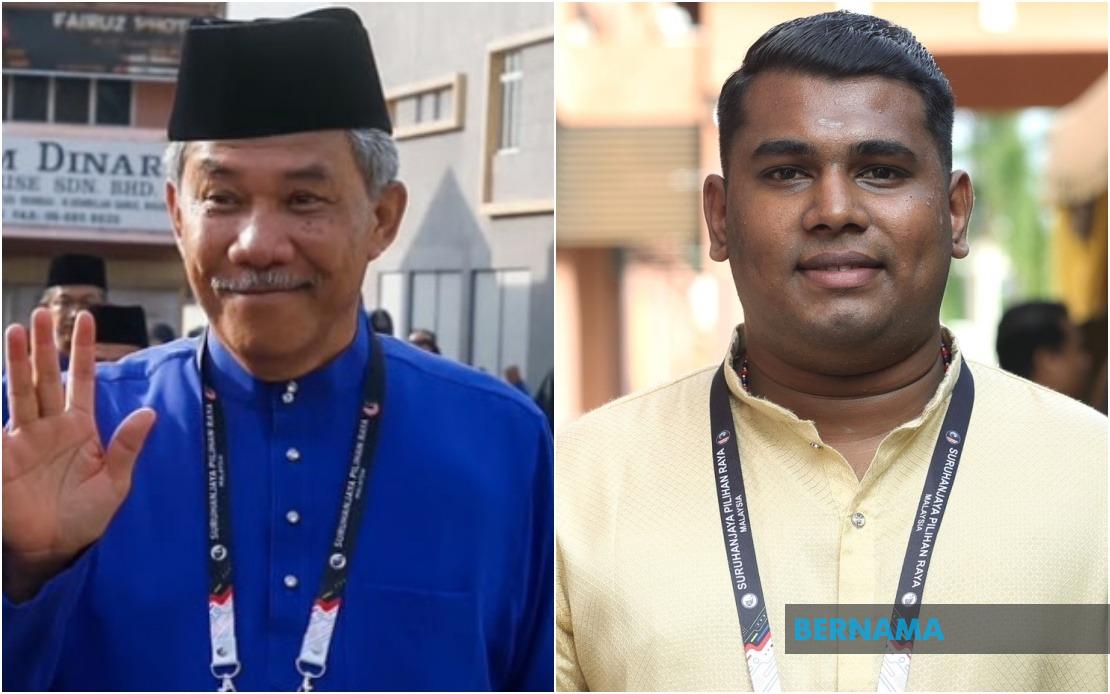
M. Leevineshwaraan, a 23-year-old fielded by Bersatu, has emerged as the youngest candidate in the 16th Negeri Sembilan state election, setting a new benchmark for youth representation in the state's electoral contests. The youthful contender is entering the political arena at a significant moment for Malaysian politics, where generational renewal remains a frequent discussion point among electoral observers and party strategists across the region.
Leevineshwaraan's entry into the electoral fray places him squarely in the Sri Tanjung state seat, where he faces a competitive five-cornered battle against more established political figures. His most formidable opponent is the incumbent Datuk Dr G. Rajasekaran of Pakatan Harapan, who successfully retained the seat in the preceding election by securing a comfortable 3,996-vote majority. This substantial margin represents a significant hurdle that the young Bersatu candidate must overcome to make inroads in a constituency that has demonstrated strong support for the PH representative.
The contrast between Leevineshwaraan's age and that of other contestants underscores the increasingly diverse age profile of Malaysia's political landscape. His appointment as the youngest candidate surpasses the previous benchmark, which was set during the 15th state polls in 2023 when Muhammad Syakir Fitri Sadri contested the Paroi seat as an Independent at the age of 25. This progression suggests that political parties are gradually becoming more receptive to fielding younger candidates, though such appointments remain relatively uncommon compared to the dominance of more seasoned politicians.
At the opposite end of the demographic spectrum, two septuagenarian candidates have assumed prominence in this election cycle. Barisan Nasional deputy chairman Datuk Seri Mohamad Hasan and Pakatan Harapan's Abd Latif A Tambi, both aged 70, represent the senior tier of contenders vying for voter support. Mohamad, who is defending the Rantau seat within the Rembau parliamentary constituency, and Abd Latif, challenging voters in Gemencheh within the Tampin parliamentary constituency, exemplify the entrenched political establishment that continues to command considerable influence in state-level politics.
The Rantau constituency where Mohamad will contest possesses a substantial electoral base, with 34,831 registered voters eligible to participate in the democratic process. This constituency represents a critical battleground where the BN deputy chairman will contest in a two-way race, demonstrating the competitive dynamics that characterise Malaysian state politics. Similarly, Gemencheh boasts 24,916 eligible voters, indicating that both senior candidates are competing in constituencies with meaningful electoral significance that could influence the overall state election outcome.
Within the broader Sri Tanjung context where Leevineshwaraan will contest, the electorate encompasses 19,590 registered voters distributed across one of five state seats that fall within the Port Dickson parliamentary constituency. This electoral structure highlights how state-level contests are increasingly intertwined with federal representation, creating complex political calculations for voters who must consider both state and national policy implications when casting their ballots.
The question of generational representation extends beyond individual candidates to encompass broader patterns of gender inclusion in electoral politics. Of the 103 candidates contesting across the state election, merely nine are women, demonstrating that despite incremental progress, female representation in Negeri Sembilan's electoral contests remains significantly below parity. Pakatan Harapan has fielded the highest proportion of women candidates at four, suggesting that the coalition has marginalised the importance of gender balance more explicitly than its competitors. When compared to the previous state election where eight of 83 candidates were women, the current proportion indicates a marginal improvement, though the overall figure continues to reflect the male-dominated character of Malaysian electoral politics.
Previous election cycles have occasionally featured older candidates than those contesting in the current race. During the 15th state polls, Bujang Abu stood as an Independent at the age of 72, thereby holding the distinction of oldest candidate in that election. However, Bujang's absence from the current electoral contest reflects procedural complications with election administration, as the candidate failed to furnish documentation required by the Election Commission. This administrative barrier underscores how technical requirements can exclude candidates from participating, regardless of their political experience or public profile.
The electoral administration framework for the 16th state election establishes clear timelines that will govern voter participation. Early voting has been scheduled for July 28, providing voters with the opportunity to cast ballots ahead of the designated polling day. The main polling day will occur on August 1, allowing the state electorate to make their democratic choices at a single concentrated moment. This two-stage voting arrangement accommodates those who are unable to vote on the principal polling day, though early voting remains restricted to particular categories of voters under Election Commission regulations.
For Malaysian observers and Southeast Asian political analysts, the Negeri Sembilan state election exemplifies broader trends in regional politics regarding the balance between youth advancement and institutional continuity. The emergence of a 23-year-old candidate represents growing recognition that younger demographics possess legitimate political aspirations, yet the dominance of candidates in their seventh decade suggests that Malaysia's political structures remain substantially controlled by an entrenched older generation. This generational tension will likely intensify as demographic pressures and social media dynamics create mounting pressure on established political parties to accelerate leadership succession planning, particularly in light of global trends toward younger political representation in other democratic societies.

