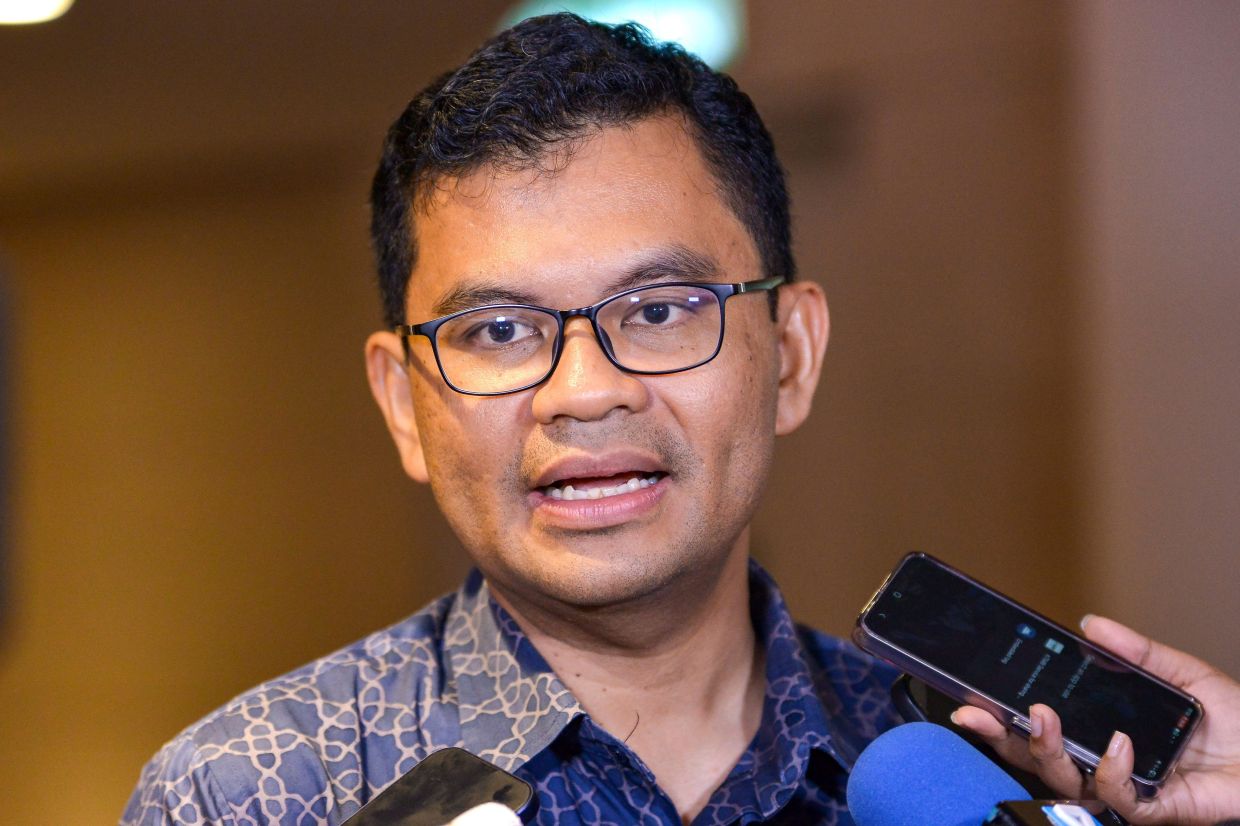
Malaysia's push to expand renewable energy capacity has reached a significant milestone with the selection of 42 companies to develop projects under the 2026 Feed-in Tariff (FiT) mechanism. The successful bidders are poised to invest approximately RM4.3 billion collectively, marking a substantial commitment to the nation's clean energy transition. Economy Minister Akmal Nasrullah Mohd Nasir announced the awards during the 7th International Sustainable Energy Summit (ISES 2026), underscoring the government's determination to accelerate the shift away from fossil fuels whilst creating domestic economic opportunities.
The awarded projects encompass three renewable energy categories with varying scales and characteristics. Among the winners are 16 biogas operations, 11 biomass facilities and 15 small hydropower installations, together commanding an approved capacity of 331.355 megawatts. This diversified portfolio reflects Malaysia's abundant natural resources, from agricultural waste streams suitable for biogas conversion to forested regions with hydroelectric potential. The distribution across multiple technologies also hedges against single-sector risks and encourages innovation across the renewable energy landscape.
Biogas projects represent the smallest capacity component at 26.185 megawatts, yet their significance extends beyond raw power generation. These facilities typically convert agricultural and industrial waste into energy, addressing both resource utilisation and environmental challenges simultaneously. Biomass operations dominate by capacity at 135.94 megawatts, leveraging Malaysia's timber and palm oil industry residues—feedstocks that might otherwise create disposal problems. Small hydropower projects round out the selection at 169.23 megawatts, tapping into the nation's river systems, particularly valuable for rural electrification and grid stability.
The economic implications of these awards extend far beyond energy production itself. Akmal Nasrullah highlighted that the projects will generate approximately RM617 million in demand for locally manufactured gas engines and boilers, a figure that demonstrates the multiplier effects of strategic renewable investments. By specifying local manufacturing requirements, the government leverages FiT allocation to nurture domestic industrial capabilities and reduce import dependence. This approach transforms renewable energy development into an industrial policy tool, strengthening Malaysia's manufacturing ecosystem whilst advancing climate objectives.
Employment generation constitutes another substantial benefit dimension. The 42 projects are expected to create approximately 7,738 indirect job opportunities across construction, operation, maintenance and supply chain sectors. Whilst direct employment figures were not disclosed, indirect job creation often exceeds direct positions, suggesting the true employment impact could be more substantial. These positions span both skilled technical roles and general labour, distributed across urban and rural regions, potentially supporting economic development in underserved communities.
The Sustainable Energy Development Authority (SEDA) Malaysia received 48 applications across the three renewable categories, representing a combined capacity of 370.480 megawatts. The selection of 42 projects from this pool reveals a competitive process with approximately 88 percent success rate by application count. However, the approved capacity of 331.355 megawatts against total applications of 370.480 megawatts suggests more rigorous filtering occurred when evaluating capacity allocations, with SEDA prioritising higher-quality projects over maximum volume.
Selection criteria extended beyond financial metrics to encompass technical and infrastructural considerations. The Economy Ministry confirmed that site suitability, offered tariff rates, technical feasibility and ecosystem availability for project support all influenced decisions. This multi-dimensional assessment approach prevents obvious mistakes such as awarding projects in geographically unsuitable locations or to operators lacking adequate supply chain access. Such rigour enhances project completion likelihood and reduces the risk of failed investments that could undermine public confidence in the FiT mechanism.
The timeline for project operationalisation stretches across the remainder of this decade. Akmal Nasrullah indicated that authorities estimate the projects should be integrated into the electricity system between 2029 and 2030, suggesting an average development and construction period of approximately three to four years from award date. This realistic schedule acknowledges construction complexities whilst maintaining momentum toward Malaysia's renewable energy targets. Early-stage projects may connect sooner, whilst others involving major infrastructure development may require the full timeframe.
These FiT allocations align with Malaysia's broader renewable energy ambitions and international commitments. The Feed-in Tariff mechanism guarantees long-term power purchase agreements at predetermined rates, reducing investment risk and enabling project financing. By attracting RM4.3 billion in private capital toward renewable infrastructure, the government effectively outsources energy transition financing whilst maintaining regulatory oversight through the tariff framework. This approach has proven effective internationally and allows fiscal resources to concentrate on other development priorities.
For Southeast Asian observers, Malaysia's FiT awards offer instructive lessons about scaling renewable deployment. The selection process demonstrates how governments can balance competitive allocation with strategic outcomes by establishing clear evaluation criteria. The emphasis on local manufacturing and indirect employment creation shows renewable energy policy integration with industrial and labour market development. As neighbouring nations design their own clean energy mechanisms, Malaysia's experience provides practical reference points for balancing environmental, economic and social objectives within a coherent policy framework.
Looking forward, the integration of these 331.355 megawatts into Malaysia's grid will incrementally shift the nation's energy composition toward cleaner sources. Whilst this represents progress, the broader energy transition challenge remains substantial, requiring continued deployment across multiple technology platforms and investment scales. The 2026 FiT round thus constitutes one chapter in an ongoing narrative of energy transformation, establishing momentum whilst revealing the infrastructure and institutional developments necessary for achieving deeper decarbonisation goals.

