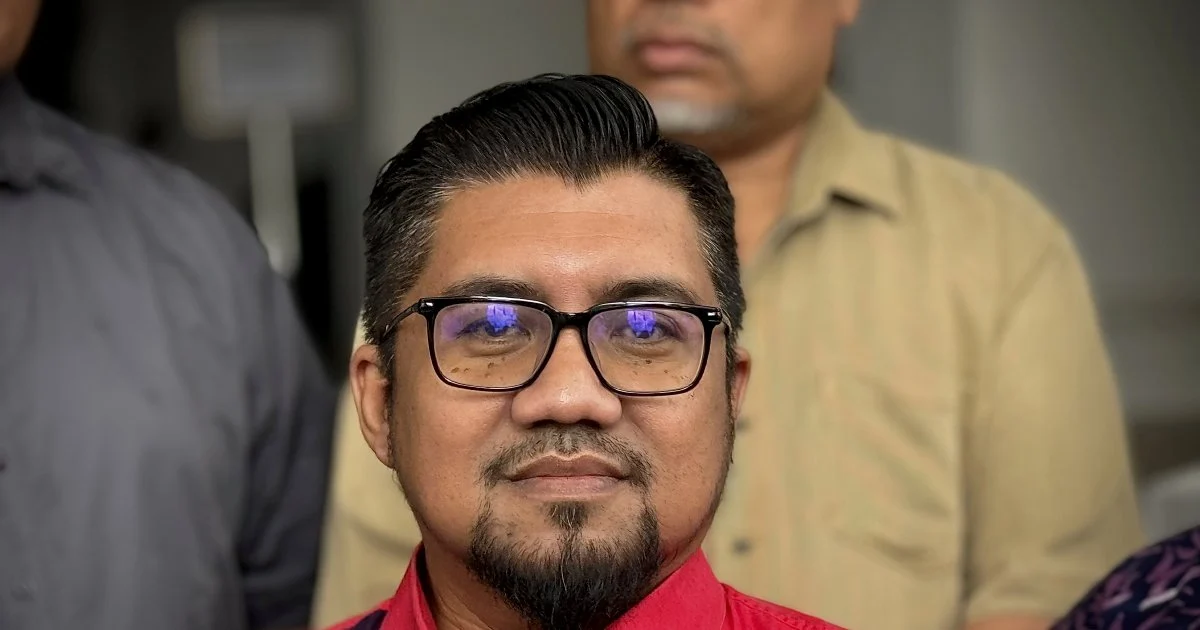
A significant legal development in Kuala Lumpur has reshaped the trajectory of a prominent defamation case when the High Court reversed an earlier acquittal and compelled political activist Badrul Hisham Shaharin, popularly known as Che'gu Bard, to mount a full defence against charges that his statements defamed His Majesty Sultan Ibrahim, the King of Malaysia. The reversal marks a critical juncture in a case that has drawn considerable attention from civil society observers and political commentators tracking the intersection of free speech and royal dignity in Malaysian jurisprudence.
At the heart of the legal proceedings lie comments made by Shaharin approximately two years prior, which allegedly referenced a private audience involving the King and various political figures. The prosecution's case rests on the assertion that these public statements constituted defamation against the monarch, a charge that carries serious implications under Malaysian law. The specific nature of what Shaharin disclosed or the context in which he made the remarks has remained a subject of intense scrutiny among legal experts examining the boundaries of permissible political commentary in the nation.
The initial acquittal, which had been entered in Shaharin's favour at an earlier stage of proceedings, suggested the lower court had found insufficient grounds to proceed. However, the High Court's decision to overturn this determination indicates that appellate judges identified material errors in the previous judgment or believed additional evidence warranted reconsideration. Such reversals are not uncommon in complex defamation matters, particularly those involving statements about public figures or the monarchy, where courts must balance competing legal principles.
For Shaharin, who has established himself as a vocal commentator on Malaysian politics and social issues, the development represents a substantial escalation in legal jeopardy. The requirement to enter his defence means he must now present evidence and arguments to counter the defamation allegations rather than relying on the presumption of innocence that typically attends cases dismissed at preliminary stages. This shift places considerable burden on the activist's legal team to construct a compelling counter-narrative to the prosecution's claims.
The case resonates deeply within Malaysia's political ecosystem, where questions about the scope of legitimate criticism—particularly regarding state institutions and the monarchy—remain contentious. Activists and civil society organisations have increasingly scrutinised how defamation laws are applied in cases involving public figures, with particular concern about whether such prosecutions may serve to suppress legitimate political discourse. The Shaharin case has become emblematic of these broader tensions in Malaysian society.
Defamation law in Malaysia operates within a framework that traditionally affords strong protection to the reputation of the monarchy and state institutions. Courts have consistently upheld the principle that the dignity of the King must be protected from false or malicious statements that could undermine public confidence. However, this principle has occasionally generated debate about whether the threshold for prosecution might sometimes inhibit robust public discussion of governmental matters or royal prerogatives.
The implications of this case extend beyond Shaharin himself, potentially influencing how other activists, journalists, and commentators calibrate their public statements about sensitive topics. Legal precedents established through high-profile defamation cases often create ripple effects throughout civil society, affecting the willingness of individuals to engage in frank political commentary. The outcome of Shaharin's defence proceedings will likely serve as a reference point for future cases exploring similar legal terrain.
From a Southeast Asian perspective, Malaysia's handling of defamation cases involving the monarchy reflects broader regional patterns in how different democracies negotiate the relationship between individual expression and institutional protection. Several neighbouring countries grapple with comparable tensions, though specific legal frameworks and judicial approaches vary considerably. Malaysia's experience provides valuable comparative lessons for understanding how developing democracies balance these fundamental tensions.
The activist's legal team faces the substantive challenge of constructing arguments that either demonstrate the statements were factually accurate, constituted fair comment on matters of public interest, or otherwise fall within recognised defences to defamation. Alternatively, they might challenge the characterisation of statements as defamatory in the first place. These legal strategies will unfold during the defence phase, with significant consequences for Malaysian jurisprudence regarding political speech and royal protection.
As proceedings advance, observers will monitor whether the courts apply established defamation principles consistently or whether the involvement of the monarchy influences judicial reasoning in ways that expand liability for political commentary. The case touches fundamental questions about how Malaysian democracy functions when speech protections intersect with institutional prerogatives. The High Court's decision to reverse the acquittal has set the stage for what promises to be a closely watched and legally significant trial that will illuminate the current boundaries of permissible political expression in Malaysia.