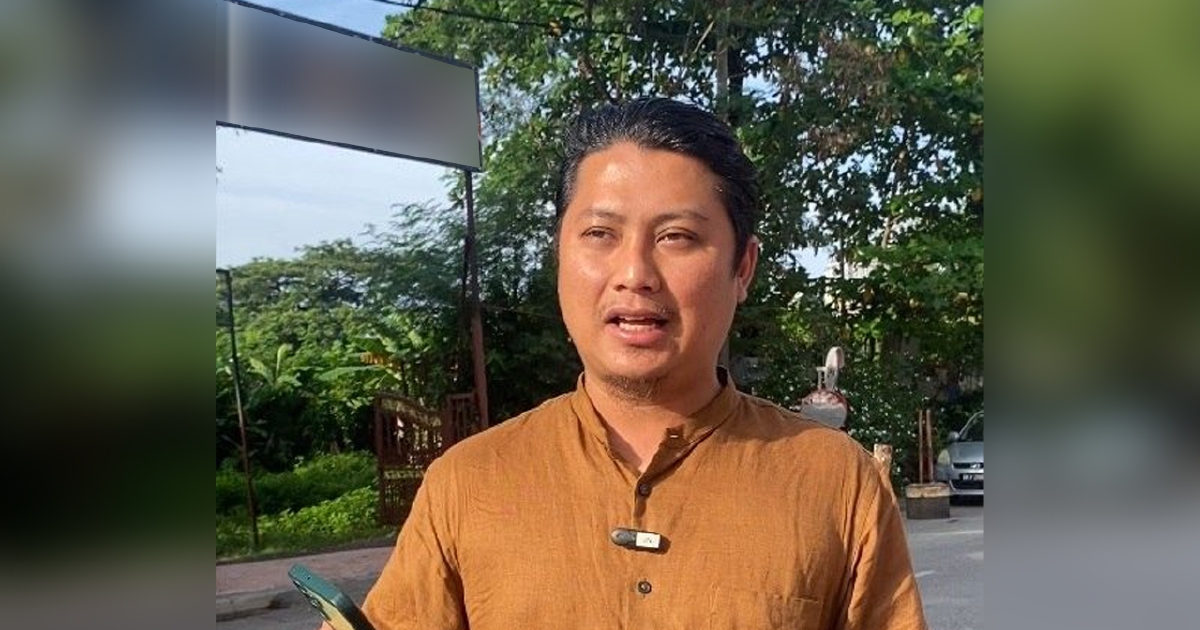
Activist Tamim Dahri Abdul Razak is expected to appear before the Langkawi magistrate's court to face charges related to allegations that he deliberately insulted another religion, marking a significant development in what has become a complex legal situation involving multiple cases against the prominent figure.
The move comes after Dahri reportedly left Malaysia following investigations into a separate Facebook threat incident, sparking public speculation about his whereabouts and legal status. His reappearance for this court date suggests the activist has either returned voluntarily or been apprehended by authorities, though the circumstances surrounding his return remain unclear.
The religious insult allegation represents a distinct case from the earlier Facebook threat investigation that had drawn considerable attention from civil liberties groups and religious affairs observers. Under Malaysian law, acts intended to insult the religion of any person carry serious legal consequences, reflecting the country's approach to managing religious sensitivities in a multi-faith society.
The incident highlights ongoing tensions in Malaysia surrounding freedom of expression and religious respect, issues that have generated considerable debate among legal experts, human rights advocates, and religious leaders. The distinction between legitimate criticism and insulting conduct remains a contentious area of interpretation within the legal framework.
Langkawi, the jurisdiction where these proceedings will take place, has previously hosted other high-profile cases that touched on similar themes of religious sensitivity and public conduct. The choice of venue and the timing of the charges may reflect considerations about both the alleged location of the offense and procedural matters related to jurisdiction.
For Malaysian civil society, the case carries implications beyond the individual defendant. It reflects broader questions about how authorities balance maintaining religious harmony with protecting freedom of expression—a delicate equilibrium that has become increasingly important as social media enables rapid dissemination of potentially inflammatory content.
The activist's profile within certain segments of Malaysian society makes the proceedings potentially significant for understanding contemporary political and social dynamics. His supporters view him as an advocate for civil liberties, while critics point to concerns about inflammatory rhetoric and religious sensitivity.
The dual nature of the allegations—encompassing both the Facebook threat case and the religious insult matter—suggests a pattern that authorities are examining carefully. Multiple cases can compound legal jeopardy and raise questions about whether incidents are isolated or indicative of broader conduct.
Regional observers note that Malaysia's approach to religious insult cases differs from some neighbouring countries, with the legal framework reflecting both Islamic constitutional provisions and secular common law principles. The prosecution of such cases often attracts international attention from human rights organizations monitoring freedom of expression standards across Southeast Asia.
The timing of Dahri's scheduled appearance comes as Malaysia continues grappling with questions about how digital platforms and traditional legal frameworks interact. The initial Facebook threat investigation that seemingly prompted his departure suggests authorities are taking seriously allegations involving online platforms and threats, even as they simultaneously pursue the religious insult charge.
For the legal profession in Malaysia, these proceedings will be watched for how the court interprets and applies religious insult provisions, particularly in cases involving digital communication. Legal precedents established in high-profile cases like this one often influence how similar matters are subsequently handled by lower courts nationwide.
The reemergence of Dahri in the Langkawi court system also raises questions about what prompted his return or apprehension, particularly given the apparent severity of the allegations he faces. Whether international cooperation or domestic factors led to his appearance remains significant for understanding enforcement mechanisms available to Malaysian authorities.

