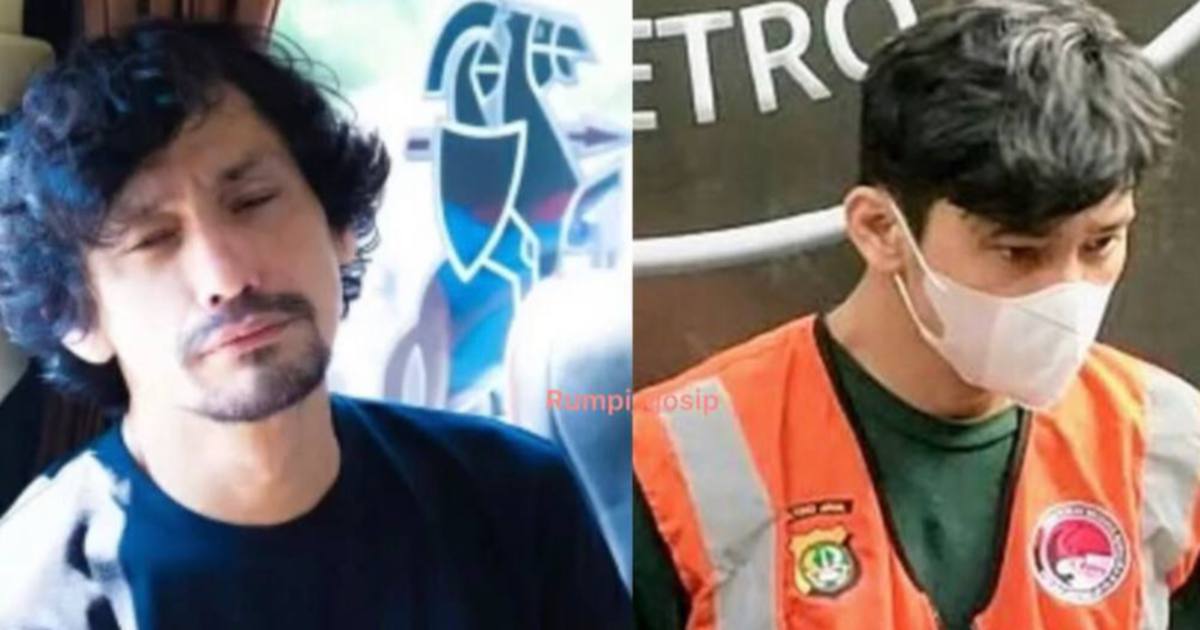
Indonesian actor Revaldo Fifaldi found himself in police custody yesterday after authorities raided a residential apartment in South Jakarta's commercial district, uncovering drug possession materials during their search operation. The detention represents a troubling continuation of the entertainment industry figure's documented struggle with substance abuse, adding another chapter to a pattern of legal entanglements that has dogged his career over recent years.
This latest apprehension marks the fourth occasion on which Revaldo has faced arrest in connection with narcotics offences, a cumulative track record that underscores a persistent problem rather than an isolated incident. Each previous detention has similarly involved drug possession and use allegations, suggesting that earlier interventions—whether through the legal system, rehabilitation efforts, or public awareness campaigns—have failed to produce lasting behavioural change or recovery.
The circumstances surrounding yesterday's raid remain initially sparse, though the targeting of a specific South Jakarta address indicates that law enforcement possessed actionable intelligence regarding drug activity at the location. Apartment complexes in the South Jakarta area have periodically featured in narcotics investigations, reflecting the complex urban landscape where drug distribution networks operate across both upscale residential neighbourhoods and commercial districts.
For Malaysian audiences, the Indonesian entertainment industry's recurring struggles with drug-related arrests among high-profile personalities echo similar dynamics domestically. Both countries have witnessed prominent actors and musicians caught in substance abuse situations, prompting broader societal conversations about the pressures, lifestyle vulnerabilities, and access to narcotics that characterise celebrity culture in Southeast Asia. The visibility of such cases—amplified through social media and entertainment journalism—creates public learning moments but also raises uncomfortable questions about whether enforcement alone can address underlying addiction issues.
Authorities in Jakarta, as in many major Southeast Asian cities, have maintained stringent drug enforcement protocols. Indonesia's approach combines aggressive police operations with substantial criminal penalties, including lengthy prison sentences for trafficking and significant detention periods for possession. This rigid framework reflects the nation's zero-tolerance positioning on narcotics, a stance intended to deter both production and consumption within its borders. Revaldo's repeated arrests suggest, however, that deterrence alone may prove insufficient when individual addiction cycles remain unaddressed through comprehensive treatment and rehabilitation pathways.
The Indonesian entertainment sector has not shielded prominent figures from prosecution, distinguishing the jurisdiction from some neighbouring territories where wealth or celebrity status occasionally insulates offenders from consistent legal consequences. Revaldo's repeated detentions indicate that neither his professional standing nor accumulated legal experience has altered either his behaviour or his vulnerability to law enforcement action. This consistency in enforcement, while admirable in principle, also raises questions about the adequacy of criminal justice interventions versus health-centred approaches to substance abuse among public personalities.
Beyond the immediate legal dimensions, Revaldo's continuing entanglement with drug offences reflects broader challenges affecting entertainment industry personnel across Southeast Asia. The combination of irregular work schedules, financial instability during career downturns, social pressure to maintain public personas, and ready access to recreational substances creates vulnerability windows that generic law enforcement operations struggle to prevent. Mental health support, addiction counselling, and long-term rehabilitation—rather than repeated arrest and release cycles—remain underdeveloped components of most regional justice systems' responses to celebrity substance abuse.
For Indonesian authorities, each arrest presents an opportunity to connect offenders with therapeutic interventions, yet the pattern of repeated detentions suggests that such linkages either remain unavailable, inadequately resourced, or ineffective in this particular case. The police raid yesterday may result in typical criminal processing—investigation, charges, trial, and potential imprisonment—but without parallel commitments to rehabilitation, the cycle appears likely to perpetuate.
The timing and public nature of Revaldo's arrest will inevitably attract media scrutiny throughout Southeast Asia, where entertainment news crosses national boundaries readily. Malaysian viewers familiar with his work will register the professional consequences: damage to any residual career prospects, diminished public sympathy, and association with criminality rather than artistry. This reputational dimension, combined with legal penalties and personal consequences of incarceration, compounds the gravity of repeated offending for any entertainment figure.
Moving forward, Revaldo's case exemplifies a broader regional challenge: how to balance criminal accountability with therapeutic intervention for public figures struggling with addiction. While yesterday's arrest represents lawful enforcement action, sustained recovery would require resources, institutional commitment, and individual determination that extend well beyond detention facilities and courtrooms. Whether Indonesian authorities and supporting institutions can provide such comprehensive responses remains an open question with implications for how the region addresses celebrity substance abuse more broadly.

