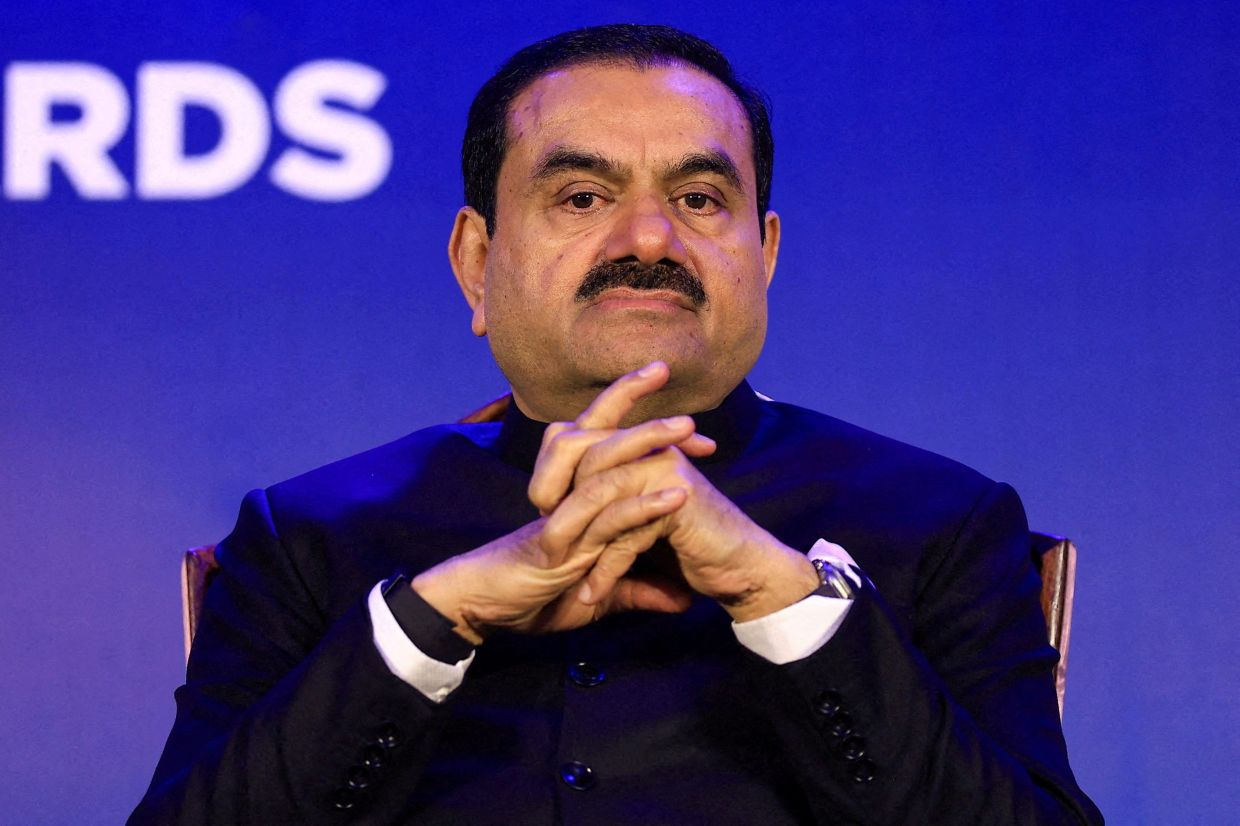
The legal battle surrounding Indian billionaire Gautam Adani took a significant turn this week when his attorneys formally requested that a Brooklyn-based federal judge erase the remaining criminal charges against him. The move comes on the heels of the US Justice Department's announcement last month that it would cease pursuing the prosecution, a dramatic reversal in a case that had captured international attention and sparked considerable controversy across the subcontinent.
Adani faced accusations dating to 2024 that centred on his alleged involvement in a scheme to provide bribes to Indian government officials. According to the original charges, this bribery was intended to secure regulatory approval for a solar energy development project under one of his Adani Group subsidiaries. Alongside these bribery allegations, prosecutors had also charged that the billionaire misled American investors by providing false statements regarding his company's commitment to anti-corruption practices and compliance measures.
Robert Giuffra, the lead attorney representing Adani, filed arguments with US District Judge Nicholas Garaufis contending that the charges should be formally dismissed on jurisdictional grounds. The defence maintained that the case fell outside the proper reach of American legal authority and questioned whether prosecutors could realistically prove allegations of bribery that occurred within Indian territory using Indian officials. This argument reflects a fundamental legal principle: the limitations of US courts in prosecuting crimes with primary connections to foreign nations and foreign government actors.
The Adani Group has maintained throughout these proceedings that the billionaire entrepreneur bears no responsibility for any wrongdoing. The company's consistent denials formed a central part of the defence strategy, and the withdrawal of charges by the Justice Department effectively vindicated the group's position, at least in the eyes of the criminal justice system. The conglomerate's assertion of innocence now carries the weight of prosecutorial abandonment, which many observers view as tacit acknowledgment that the case lacked prosecutorial merit.
Giuffra's filing revealed that the Justice Department's decision to drop the indictment followed extensive negotiations. Over several months, detailed and comprehensive communications occurred between prosecutors and the legal representatives for Adani and his co-defendants. These behind-the-scenes discussions apparently convinced the government that continued pursuit of the case was unjustified, though officials have not publicly explained the specific reasons for the decision. The timeline and nature of these negotiations remain largely opaque to public scrutiny.
Beyond the criminal charges, Adani's team also sought dismissal of civil enforcement actions brought by the US Securities and Exchange Commission. However, that regulatory matter took a different path. Rather than face protracted litigation, the billionaire and his nephew agreed to settle the civil case. Under the settlement terms, Gautam Adani committed to paying US$6 million to resolve the SEC's allegations, while his nephew Sagar Adani agreed to pay an additional US$12 million. The settlement represents a significant financial obligation but allows both men to avoid the uncertainties and expenses of prolonged civil litigation.
For Malaysian and Southeast Asian business observers, this case underscores the complex intersection of international commerce, regulatory compliance, and geopolitical considerations. The charges against Adani touched on sensitive matters of alleged foreign government corruption, which carry particular resonance in a region where transparency and ethical business practices remain contentious issues. The case also demonstrates how US authorities extend their jurisdictional reach into international business dealings, particularly when securities fraud allegations involve American investors or markets.
The separate settlement with Adani Enterprises Limited concerning alleged Iran sanctions violations adds another layer of complexity to the broader dispute. The company agreed to remit US$275 million to the US Treasury Department to resolve allegations that it had violated American sanctions targeting Iran. This matter falls outside the criminal and civil securities cases but illustrates the interconnected nature of the various legal challenges confronting the Adani Group's international operations.
The billionaire's troubles in the United States occurred amid heightened scrutiny of the Adani Group's business practices and governance standards. In India, investigations and questions about the conglomerate's operations have contributed to broader discussions about corporate accountability and regulatory oversight. The resolution of the US cases, particularly the withdrawal of criminal charges, provides some relief to the group's international reputation, though questions about governance and compliance may persist in other jurisdictions.
Judge Garaufis must formally sign off on the proposed dismissal of the criminal charges for the process to conclude. His approval is considered largely procedural given the Justice Department's own decision to abandon the prosecution, yet legal formalities must be observed. The judge's signature would represent the final chapter in the criminal proceedings that had threatened significant consequences for one of Asia's most prominent business figures.
The resolution of these cases carries implications for other international business leaders operating across multiple jurisdictions. The Adani situation illustrates both the significant reach of US legal authority and the potential for negotiated settlements when evidence or jurisdictional questions create obstacles for prosecutors. For investors and companies with global operations, the lessons centre on the importance of rigorous compliance frameworks and the recognition that regulatory challenges in one jurisdiction can have cascading effects across international business networks.

