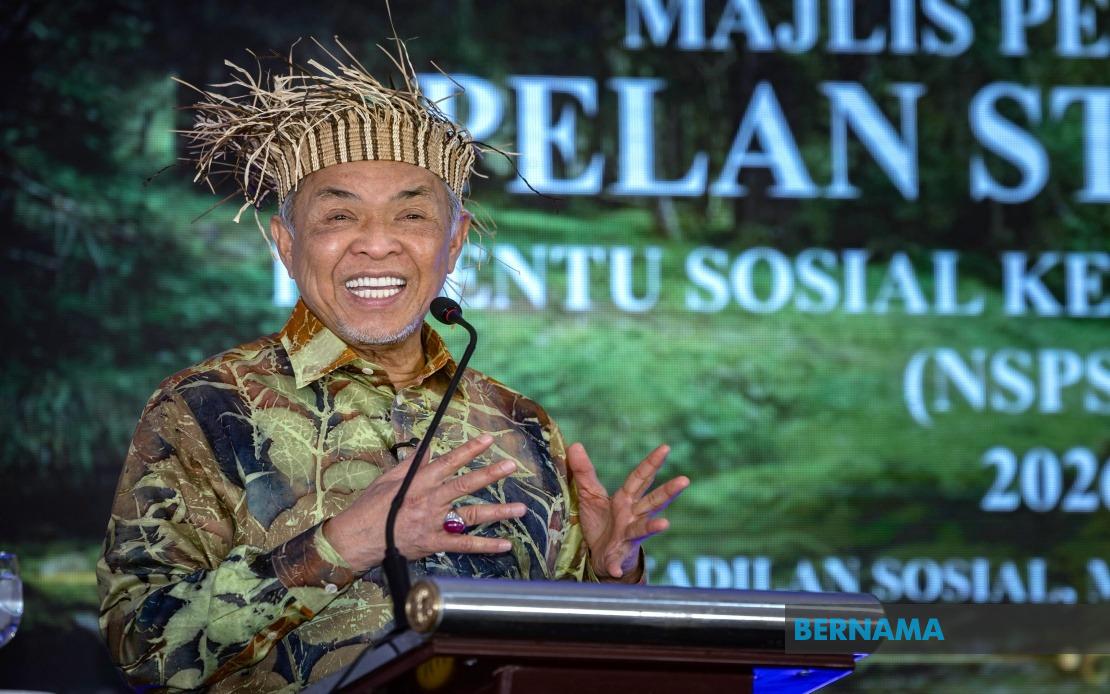
Deputy Prime Minister Datuk Seri Dr Ahmad Zahid Hamidi has appealed to the Malaysian public to offer prayers for Prime Minister Datuk Seri Anwar Ibrahim's prompt recuperation, following the latter's recent medical intervention. Speaking in Gerik during the launch of a national health initiative, Ahmad Zahid expressed confidence that the Prime Minister would make a quick return to his official responsibilities after taking time to rest and recover.
According to Ahmad Zahid, Anwar had notified him of the forthcoming surgical procedure during their discussions on Tuesday, August 4. The Deputy Prime Minister characterised the intervention as minor in nature, though he acknowledged that even straightforward medical procedures necessitate adequate recovery time. He stressed the importance of allowing Anwar sufficient downtime, emphasising that a minimum of two days rest would be appropriate before resuming full governmental duties.
The Deputy Prime Minister framed the situation as an opportunity for national solidarity, calling on Malaysians across the country to join in wishing for the Prime Minister's recovery. His comments underscored the significance of continuity in national leadership during periods when the Prime Minister requires medical attention. Ahmad Zahid's remarks reflected a broader concern with maintaining public confidence in the government's functioning during any temporary absence of the chief executive.
In a significant administrative adjustment, Ahmad Zahid disclosed that Anwar had delegated the responsibility of chairing Cabinet meetings to him during the Prime Minister's recovery period. This arrangement ensures that government business continues without disruption and that critical decisions requiring Cabinet-level deliberation can proceed on schedule. The delegation of these duties represents a routine constitutional mechanism for maintaining governmental operations when the Prime Minister is temporarily unavailable.
Medical details released by Datuk Dr Asri Ranga Abdullah Ramaiah, head of the Prime Minister's Medical Team, provided clarity regarding the exact nature of the procedure. Anwar underwent an elective laparoscopic surgical intervention on the day of Ahmad Zahid's public remarks, specifically to address a para-umbilical hernia—a common abdominal condition requiring corrective surgery. The laparoscopic approach, a minimally invasive technique, typically results in reduced recovery time compared to traditional open surgery, accounting for medical expectations of a brief recuperation period.
The medical team reported that the surgical procedure proceeded without complications under the supervision of specialised surgical professionals. The use of laparoscopic technology allows surgeons to repair hernias through small incisions, minimising tissue trauma and post-operative discomfort. This modern surgical approach has become the standard for treating uncomplicated hernial conditions in developed healthcare systems, aligning with Malaysia's medical capabilities and international best practices.
Following the successful completion of the procedure, Anwar entered the recovery phase of his medical treatment. Dr Asri's statement confirmed that the Prime Minister was undergoing physiotherapy to restore physical function and mobility, a standard component of post-operative care. The medical team maintained close oversight of Anwar's recovery trajectory to identify any potential complications and ensure the restoration process advanced as expected.
The coordination between the Prime Minister's medical advisors and political leadership demonstrates the institutional frameworks Malaysia has established for managing temporary leadership gaps. Such procedures have been handled routinely in Malaysia's political system, with clear protocols ensuring that governmental functions remain uninterrupted. Ahmad Zahid's assumption of Cabinet chair responsibilities exemplifies these well-established succession arrangements that operate at the administrative level without affecting constitutional or political stability.
For Malaysian observers monitoring developments, the transparency with which both the Deputy Prime Minister and medical officials communicated details of Anwar's condition offered reassurance regarding the predictable nature of his recovery. The laparoscopic procedure for hernia repair, while requiring post-operative rest, typically does not result in prolonged incapacity, suggesting that the Prime Minister would return to full duties within a reasonable timeframe. Public confidence in governmental continuity remained stable given the clear communication and orderly transition of responsibilities.
The health initiative Ahmad Zahid launched during his visit to Gerik—the 2026-2035 National Social Determinants of Health Strategic Plan for Orang Asli—represented the continuation of normal governmental activities despite the Prime Minister's temporary absence. This underscored the robustness of Malaysia's political and administrative systems in managing routine medical matters affecting senior leadership without disrupting policy implementation or public service delivery.
The incident highlighted the importance of preventive medical care and timely intervention in addressing health concerns among Malaysia's leadership. Elective surgical procedures, when addressed proactively, prevent potential complications that might create more serious disruptions to governmental functioning. Anwar's decision to undergo treatment during a planned timeframe reflected prudent health management that prioritised both personal wellbeing and national administrative continuity.
Looking ahead, the speed of Anwar's recovery would likely reinforce public confidence in Malaysia's institutional capacity to manage leadership transitions, however temporary. The clear communication from both the Deputy Prime Minister and medical authorities established confidence that the Prime Minister's absence represented a brief, manageable interruption rather than a threat to governmental stability or decision-making capacity. Such routine management of leadership health matters contributes to broader institutional credibility.

