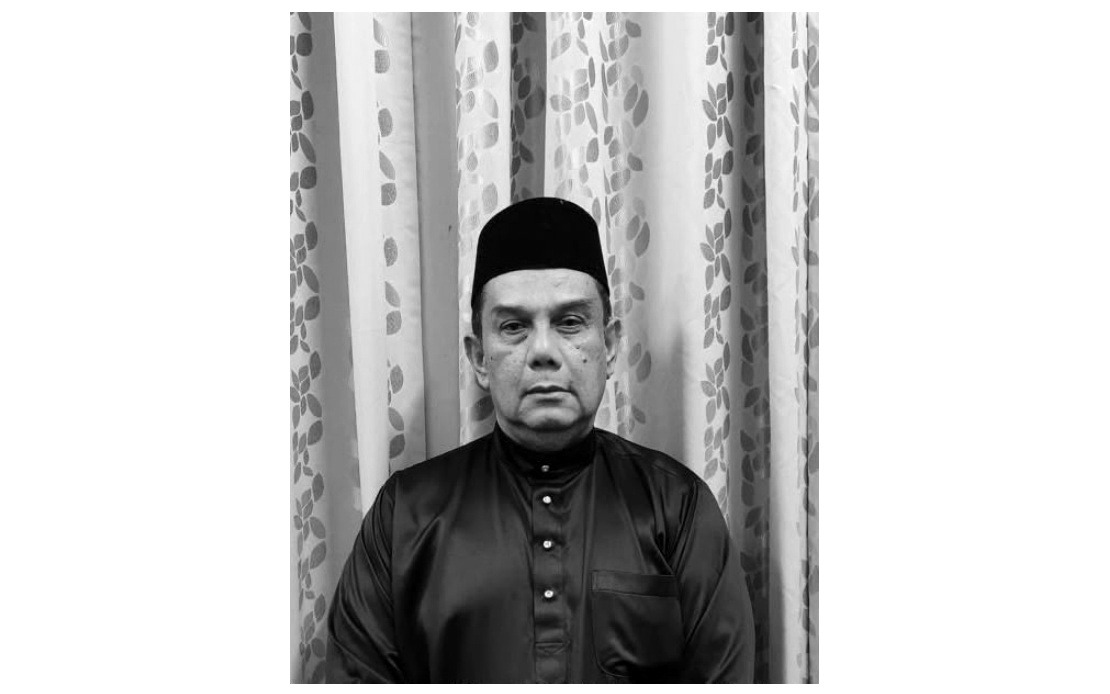
Datuk Jailani Harun, a seasoned journalist who held the position of diplomatic officer to UMNO president Datuk Seri Dr Ahmad Zahid Hamidi, passed away at Hospital Serdang on July 7 morning. The 33-year-old's eldest daughter, Nabilla, confirmed the death to national news agency Bernama, with the Office of Deputy Prime Minister also releasing official notification. The news marks the loss of a figure who had transitioned from the media sector into the political sphere, serving in a key communications capacity within the UMNO leadership structure.
Jailani's death occurred at 11.34 am, following what officials indicated was a period of illness requiring hospitalisation. His background as a journalist provided him with valuable expertise in navigating complex communication landscapes, a skill that would have proved instrumental in his role as diplomatic officer. The position he held typically involves managing correspondence, protocol matters, and media relations on behalf of the party president, requiring both discretion and extensive networks within Malaysia's political establishment. His career trajectory from journalism to the corridors of UMNO leadership illustrated the common pathway many communication professionals take when transitioning between media and political spheres in Malaysia.
Funeral arrangements have been organised with cultural and religious observances taking precedence. The body was scheduled for funeral prayers at Al-Mubarakah Mosque in Taman Bukit Cheras, followed by burial at Alam Damai Cheras Cemetery after the afternoon Asar prayers. These traditional Islamic funeral rites reflect the customs observed within Malaysia's political and bureaucratic circles, where official ceremonies typically precede private family mourning. The selection of these venues suggests the family's residence or significant ties to the Cheras area of Kuala Lumpur.
Communications Minister Datuk Fahmi Fadzil was among the first government officials to publicly acknowledge the loss, conveying condolences through a Facebook post that reached out to both Jailani's immediate family and broader circle of friends and colleagues. Fahmi's message reflected conventional expressions of sympathy found in Malaysian political culture, invoking religious sentiment with invocations for Allah's mercy on the deceased. Such public acknowledgements from cabinet ministers underscore the social standing Jailani had maintained within government circles, indicating he was regarded as sufficiently prominent to warrant official ministerial recognition.
The death of someone in Jailani's position carries particular significance within UMNO's institutional framework. Diplomatic officers serve as crucial interfaces between party leadership and both media organisations and government bodies, making them influential though often behind-the-scenes figures. The loss of an experienced professional in such a role can create operational gaps within a political party's communications infrastructure, particularly during periods when messaging and media management require careful coordination. Jailani's tenure would have exposed him to sensitive discussions and strategic communications work that characterises the upper echelons of major Malaysian political parties.
Jailani's career progression from journalism to political diplomacy reflects broader trends within Malaysia's media and political landscape, where experienced communicators frequently move between newsrooms and political offices. His journalistic background would have given him insights into how news cycles operate, editorial decision-making processes, and journalist-source relationships—knowledge that becomes invaluable when managing a political leader's public profile and media interactions. The transition also suggests he had earned sufficient credibility and trust among UMNO's leadership to be granted access to confidential party matters.
The circumstances surrounding his hospitalisation and death were not elaborated in initial official statements, leaving questions about the specific health condition that necessitated his presence at Hospital Serdang. The hospital, located in Kajang, serves as one of Malaysia's major government medical facilities and typically handles both routine and complex medical cases. The fact that he was receiving treatment there rather than at private facilities frequented by senior figures suggests either the nature of his condition or personal preference for public healthcare systems.
Within UMNO's current political context, the loss of an experienced diplomatic officer occurs at a time when the party continues managing its public positioning following various political developments. Ahmad Zahid Hamidi, as UMNO president, has maintained a visible public profile while navigating complex party dynamics and coalition politics. The role Jailani occupied in supporting the party president's communications and diplomatic functions would have been demanding, requiring coordination across multiple stakeholders including media, government agencies, and party structures.
The broader implications of such losses within political organisations extend beyond immediate personal mourning. Key staff members in political parties often possess institutional knowledge, established relationships with journalists, and understanding of strategic communication approaches developed over years of service. Replacing such experienced professionals requires time and typically involves a transition period where new appointees must establish their own credibility and networks. For UMNO, finding a suitable successor to Jailani's position would entail identifying someone with comparable journalistic background, political understanding, and diplomatic acumen.
Condolences and tributes to Jailani's passing would likely extend throughout Malaysia's political establishment, reflecting the interconnected nature of the country's leadership circles. Politicians across party lines frequently interact with figures like diplomatic officers, creating networks of professional relationships that transcend party boundaries. Such networks, built over years of working in communications and diplomatic contexts, become evident when significant figures within them pass away, as colleagues and former contacts recognise the loss of respected professionals.

