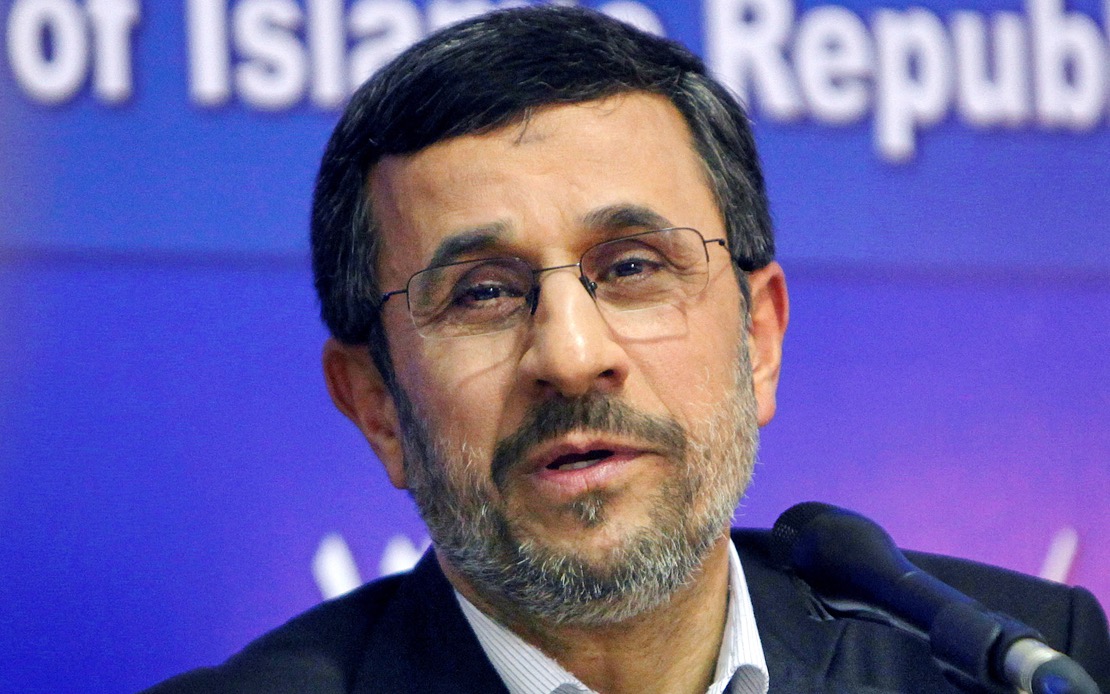
Former Iranian President Mahmoud Ahmadinejad has emphatically denied allegations published by The New York Times that he was the target of an Israeli recruitment effort by Mossad intelligence operatives. In a statement released through his office on Tuesday, Ahmadinejad characterized the claims as entirely without foundation, accusing the American newspaper of deliberately spreading false information designed to sow discord within Iranian society and mislead international opinion about his standing.
The disputed New York Times article, published on Monday, outlined what it described as a sophisticated and sustained campaign by Israeli intelligence to enlist Ahmadinejad's cooperation in exchange for financial compensation. According to the report, Mossad operatives allegedly provided housing subsidies and covered travel expenses for the former leader over a period of several years, with meetings arranged at various locations outside Iran, particularly in Budapest. The broader strategic objective, the newspaper claimed, extended beyond mere recruitment to positioning Ahmadinejad as a potential replacement leader should Israel succeed in destabilizing the Iranian government.
Ahmadinejad's office issued a sweeping refutation, insisting that The New York Times had fabricated its narrative to serve undisclosed geopolitical interests. The statement stressed that such claims were fundamentally at odds with verifiable reality and represented a deliberate distortion of facts. By framing the allegations as absurd and disconnected from any credible evidence, the office attempted to delegitimize both the specific accusations and the broader investigative framework underlying the report.
A central component of The New York Times account involved an alleged Israeli airstrike on February 28 targeting Ahmadinejad's compound during the initial phases of US-Israeli military operations against Iran. According to the report, the strike damaged structures used by his security personnel and destroyed an armoured vehicle. The newspaper then cited four senior Iranian officials as sources claiming that immediately following the airstrike, a black Peugeot vehicle arrived at the scene and transported Ahmadinejad to an undisclosed secure location within Iran, with the vehicle allegedly operated by Mossad operatives. This dramatic narrative—presented as corroborated by American officials with purported knowledge of the operation—formed the centerpiece of the Times' reporting linking operational Israeli activities to alleged efforts to manipulate Ahmadinejad's status and location.
The denial issued by Ahmadinejad's camp also addressed secondary allegations concerning his confinement, explicitly rejecting assertions that he remains under house arrest. The office characterized this component of the report as a fabrication designed to lend credibility to what it termed the newspaper's "absurd" primary claims. This specific rebuttal suggests that The New York Times piece had suggested Ahmadinejad's movement or activities were severely restricted, a claim his representatives treated as particularly egregious.
For Malaysian and Southeast Asian observers, this confrontation between the former Iranian president and an American news organization carries implications extending beyond bilateral Israeli-Iranian relations. The incident exemplifies persistent tensions within Middle Eastern geopolitics and the role Western media outlets play in shaping international perception of regional conflicts. Malaysia, with its significant Muslim population and historical diplomatic engagement with Iran, maintains particular interest in developments that affect Iran's internal stability and regional positioning.
Ahmadinejad's public reappearance at the funeral of Iranian Supreme Leader Ali Khamenei last week marked his first significant public event since the escalation of US-Israeli military operations against Iran. His attendance at this solemn state occasion appeared designed to demonstrate his continued prominence within Iranian political circles and his unimpeded access to high-level state functions—a visible counter-narrative to any suggestion that he faces restrictions on his movement or status within Iran.
The broader context involves Israel's strategic interest in Iran's internal political dynamics and the possibility that alternative leadership configurations might prove more amenable to Israeli interests. Historical precedent demonstrates that foreign intelligence agencies occasionally pursue recruitment of prominent political figures as insurance policies against unfavorable regime outcomes. However, the specific allegations in The New York Times piece—involving direct financial transactions, operational movement of the target, and coordinated military action—carry extraordinary claims requiring correspondingly substantial evidence.
Ahmadinejad's categorical dismissal reflects the standard diplomatic posture of categorically denying allegations of foreign coordination or intelligence collaboration, a position nearly all governments and prominent political figures adopt regardless of underlying facts. The vehemence of the denial, however, combined with the detailed rebuttal addressing multiple components of the article, suggests his office viewed the report as particularly damaging to his political standing or credibility within Iranian elite circles.
The incident also highlights ongoing tensions between American mainstream media organizations and Iranian officials concerning coverage of Iranian affairs. The accusation that The New York Times publishes fabricated reports to advance American foreign policy objectives reflects longstanding Iranian skepticism toward Western news institutions, skepticism that resonates throughout much of the developing world where media independence from geopolitical interests remains contested territory.
Moving forward, the credibility dispute over these specific allegations will likely be resolved only through independent verification or eventual declassification of relevant intelligence materials. Meanwhile, the exchange underscores the volatile environment in which Iran's political elite operates, where multiple international actors pursue competing interests within the country's internal structures and the stakes of domestic political positioning have become inseparable from international espionage and military operations.

