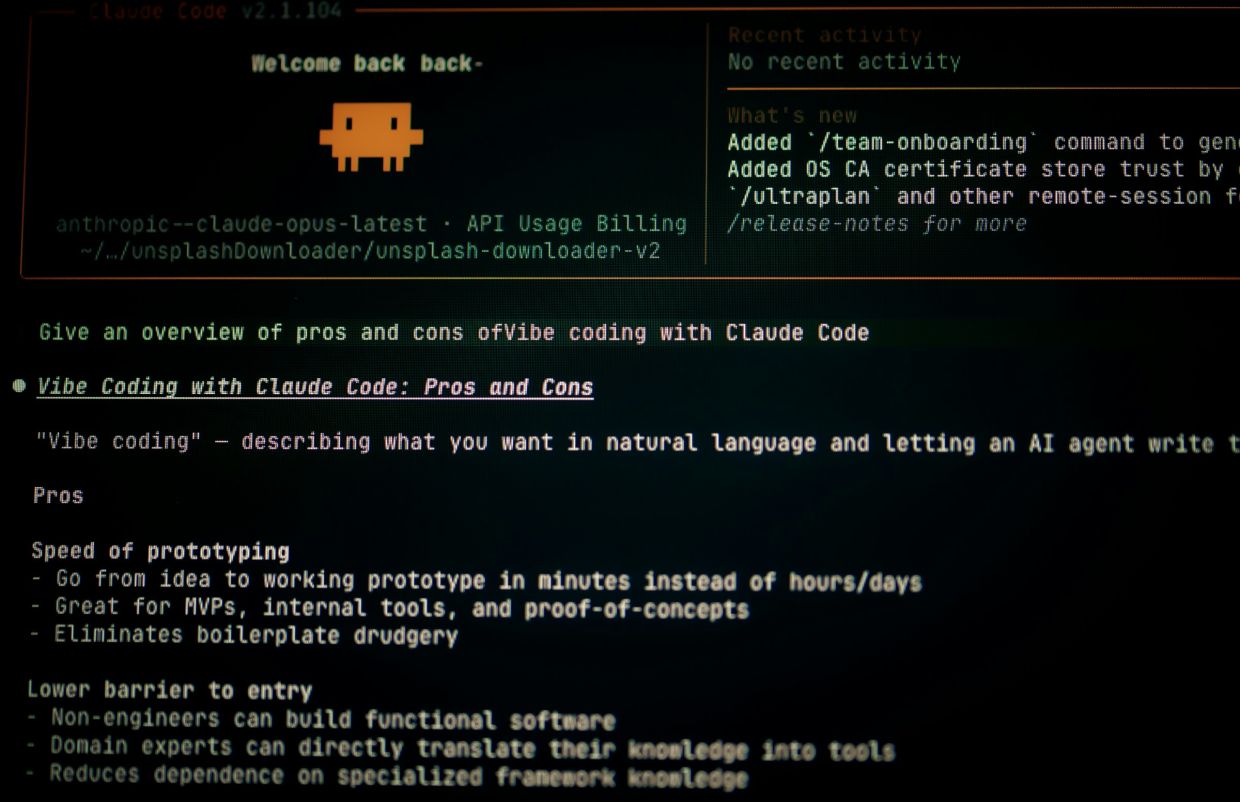
The technology sector is experiencing a fundamental realignment in how software gets built and who gets hired to build it. Instead of assembling large teams of junior and senior programmers working in tandem, startups are now purchasing premium AI subscriptions that cost a fraction of a single developer's salary, enabling small groups of experienced architects to accomplish work that previously required much larger workforces. This transformation, driven by powerful tools such as Anthropic's Claude Code and OpenAI's Codex, is reshaping hiring strategies across the industry and creating a widening divide between senior developers and those seeking to enter the profession.
The shift reflects a fundamental change in how programming work is conceptualised and executed. Rather than writing code line by line, experienced developers are becoming project managers who use AI to generate, test, and refine software through natural language prompts. This approach dramatically accelerates productivity for those with deep knowledge of system workflows and architectural principles. Giftory's leadership, for instance, actively seeks what they call "architects" – mid-career professionals who combine years of experience with the ability to leverage AI tools strategically. The company pays approximately US$200 (RM816) monthly for premium AI subscriptions per developer, a cost that pales against annual salaries averaging US$100,000 (RM408,130). For startups, the mathematics is compelling: why hire additional junior programmers when a modest software subscription can multiply the output of existing talent?
The adoption rate reveals how rapidly this transformation is penetrating the startup ecosystem. According to Jared Friedman, managing partner at Y Combinator, a quarter of startups in the Winter 2025 batch built products using code that was 95% AI-generated – a striking figure that illustrates how thoroughly some early-stage companies have embraced this approach. Haitham Mengad, co-founder of Stems Labs, exemplifies this strategy: rather than expanding headcount, he focused on maximising the capabilities of his already-talented engineering team through AI tools. Similarly, Lindsay Euller at Espresa reports that her team's AI integration is delivering millions of dollars in annual savings. Even more tellingly, Euller anticipates a future where requests for additional hires are routinely met with demands to demonstrate AI optimisation efforts first – a revealing glimpse into how funding and growth conversations are already shifting.
Yet beneath these efficiency gains lies a troubling employment picture for junior developers. Research from Stanford Digital Economy Lab, which examined payroll records across millions of US workers, found that employment among 22- to 25-year-olds in AI-exposed occupations – notably software development – declined nearly 20% from a late 2022 peak. Harvard researchers conducting a more granular analysis of resume and job posting data across 62 million workers and 285,000 firms discovered that companies adopting generative AI reduced junior employment by approximately nine percent relative to non-adopting competitors within six quarters, even as senior positions continued growing. These statistics suggest a systematic bifurcation of the technology labour market, where experience becomes increasingly valuable while entry-level opportunities contract.
The compression of junior positions creates a concerning bottleneck in professional development pathways. Computer science enrolment is already responding to these signals – dropping six percent across the University of California system and declining at two-thirds of computing programs nationwide according to the Computing Research Association. Young people contemplating career choices in software development face a troubling reality: the traditional apprenticeship model where junior programmers gain experience on the job while contributing to projects is being replaced by a leaner system that values only fully-formed expertise. This dynamic threatens to undermine the mechanism through which the industry has historically regenerated itself, potentially creating talent shortages in future years despite current abundance among senior developers.
Industry leaders remain divided on the wisdom of this trajectory. AWS CEO Matt Garman has forcefully criticized the notion of replacing junior developers with AI, calling it "one of the dumbest things I've ever heard" and warning that the approach could deny the industry access to the next generation of leaders. His concern reflects a broader anxiety that short-term cost optimisation may damage long-term institutional health and innovation capacity. Yet despite such warnings, the economic pressures pushing startups toward leaner structures show no signs of abating. Ian Amit, CEO of cybersecurity startup Gomboc AI, observes widespread hiring hesitation across the sector, with companies interviewing numerous candidates but delaying hiring decisions as they assess how AI tools might reduce their actual staffing needs.
For Malaysia and Southeast Asia, this global trend carries particular implications. The region's technology sector has benefited from its position as an emerging hub for software development outsourcing and talent concentration, attracting both multinational tech companies and ambitious homegrown startups. If AI-driven productivity reduces the number of programming positions globally, companies may become less willing to distribute work across offshore teams and more inclined to consolidate operations in primary markets where senior talent is concentrated. This could dampen the growth trajectory of Malaysia's technology employment sector, which has relied on steady demand for skilled development work to create pathways for new talent entering the profession.
Moreover, the preference for experienced developers over junior programmers may disproportionately affect countries with younger workforce demographics and developing technology sectors. While Silicon Valley and established tech hubs can rely on existing deep benches of senior talent, emerging markets building their technology industries from smaller bases may struggle to attract the experienced architects now commanding premium valuations. This could widen the global technology skills gap, as regions without established pools of senior developers find it harder to participate in AI-augmented development models that increasingly dominate startup and innovation-driven economies.
The sustainability of current corporate strategy remains an open question. Many startup founders frame their choices as temporary measures responding to contemporary economic conditions and funding environment pressures. However, the logic driving these decisions – that human productivity multipliers reduce human headcount requirements – extends indefinitely as AI capabilities continue advancing. If junior positions remain scarce for several years, the pipeline of future senior talent will shrink, potentially creating an unforeseen constraint on industry capacity and growth. Some forward-thinking companies may eventually recognise that maintaining deliberate junior hiring programs serves as insurance against this outcome, investing in future capability even when immediate economic calculus suggests otherwise.
Currently, however, the pull toward leaner operations appears irresistible. As Giftory's leadership notes, every resource allocation decision in high-growth startups involves tradeoffs between additional resources and additional people. With AI tools providing demonstrable, immediate, measurable productivity gains, the pressure to choose efficiency over headcount expansion continues mounting. The technology industry's future workforce composition will largely be determined by accumulated micro-decisions made by thousands of startup founders and engineering leaders weighing their immediate operational needs against broader industry health considerations they may not feel responsible for addressing.

