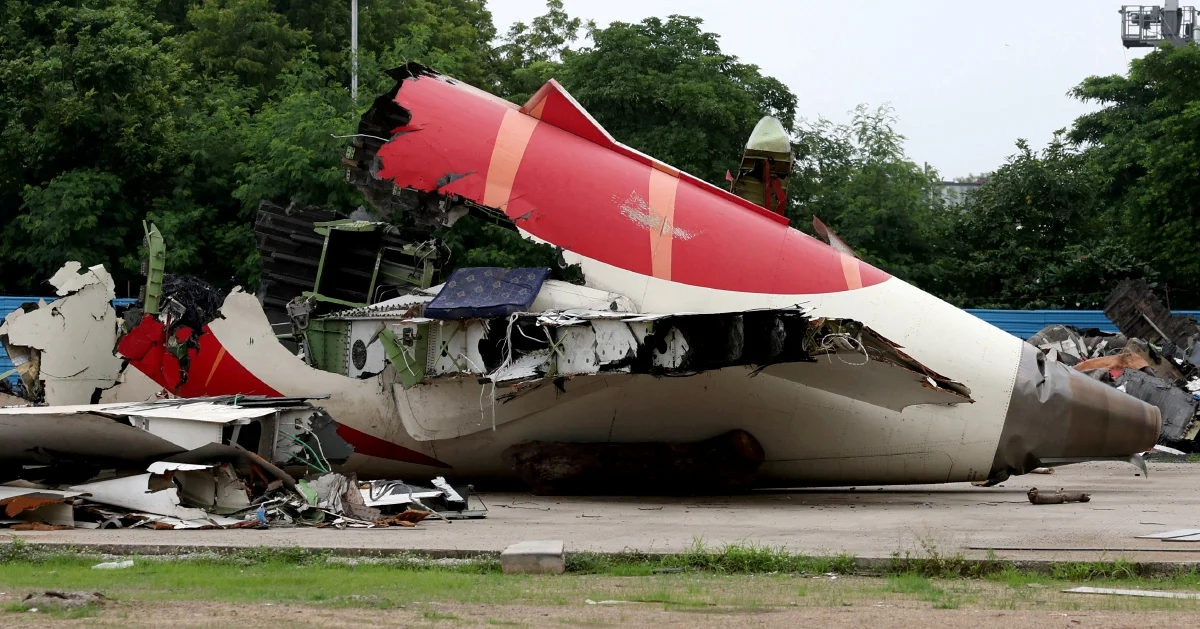
India's aviation safety authorities are entering the concluding phase of their investigation into a fatal Air India crash that claimed multiple lives last year, having now completed critical technical and psychological assessments that may shed light on the tragic incident. Documents filed before a court in New Delhi indicate that the country's designated aircraft accident investigation body has extracted and transcribed the cockpit voice recorder, a crucial black box that captures all communications and sounds in the flight deck during the aircraft's final moments. This transcript, alongside a psychological autopsy examining the mental state and fitness of flight crew members, represents a significant advancement in determining the underlying causes of the disaster.
The cockpit voice recorder stands as one of aviation's most vital investigative tools, preserving approximately the final two hours of audio from the flight deck with remarkable fidelity. For Malaysian aviation experts and regional investigators, the recovery and analysis of this data is often the turning point in understanding whether mechanical failure, human error, atmospheric conditions, or a combination of factors led to catastrophe. The transcript would have captured conversations between pilots and air traffic control, crew interactions, automated warnings, and any unusual sounds or disturbances that occurred as the aircraft descended toward its final impact. Every word, pause, and background noise carries forensic significance in reconstructing the precise sequence of events that unfolded in those final moments.
The inclusion of a psychological autopsy in India's investigation methodology reflects contemporary best practices in aviation safety analysis across the world, including within Southeast Asia. Such reviews typically examine the personal circumstances, medical history, stress levels, fatigue patterns, and psychological well-being of flight crew members during the period leading up to the accident. Investigators assess whether any pilot or crew member may have been experiencing depression, relationship difficulties, financial hardship, medication interactions, or other psychological disturbances that could have impaired judgment or performance. This thorough human-factors approach acknowledges that even highly trained professionals can be affected by personal challenges that compromise their cognitive and decision-making capabilities in high-stakes operational environments.
The advancement to final investigative stages signals that India's accident investigation authority has likely completed its examination of physical wreckage, maintenance records, weather data, and communications logs. These parallel investigations run concurrently with technical analysis and are essential for establishing the complete picture. Wreckage examination can reveal structural failures, maintenance defects, or signs of controlled flight into terrain. Maintenance records indicate whether the aircraft had undergone proper servicing and whether any recurring issues had been reported before the fatal flight. Weather analysis determines whether atmospheric conditions such as thunderstorms, wind shear, or limited visibility may have contributed to the accident sequence.
For Malaysian aviation professionals and regional safety administrators, the methodical approach being pursued by Indian authorities underscores the sophisticated investigative frameworks now standard across South and Southeast Asia. The International Civil Aviation Organization establishes protocols that member states must follow when investigating serious incidents and accidents, ensuring consistency and thoroughness. India's adherence to these protocols—including the preparation of a comprehensive cockpit voice recorder transcript and psychological assessment—demonstrates the maturity of the country's safety oversight system. The findings from this investigation will likely be shared with aviation authorities across the region, including Malaysia's Department of Civil Aviation, contributing to the collective knowledge base that improves safety practices region-wide.
The court filing that revealed this investigative progress suggests there may be legal proceedings or questions surrounding liability and responsibility related to the crash. Indian courts sometimes receive updates on accident investigations when families of victims or insurers seek judicial involvement or when regulatory bodies need court authorization for certain investigative procedures. The fact that the investigation has reached this advanced stage indicates that authorities are preparing to issue their formal findings and recommendations, which is typically the next phase following completion of technical analysis. These recommendations often reshape maintenance procedures, training protocols, or operational procedures across the entire Indian aviation industry and may influence practices in neighboring countries.
The timeline for completing the investigation remains unclear from the available information, but major accident investigations of this complexity typically require twelve to twenty-four months from the incident date to final report publication. Authorities must not only gather data but also conduct extensive analysis, consult with international experts if necessary, and carefully document their reasoning for all conclusions. The report will ultimately assign probable causes and contributing factors, establishing whether the accident resulted from technical malfunction, pilot error, maintenance deficiencies, air traffic control issues, inadequate training, or various combinations thereof. For Malaysia's aviation sector, which shares similar regulatory frameworks and operates similar aircraft types through carriers like Malaysia Airlines and AirAsia, such findings carry direct operational and safety implications.
The recovery of the cockpit voice recorder itself represents a technical achievement worthy of note, as these devices are deliberately engineered to survive the most catastrophic impacts. Built with hardened titanium alloy shells and advanced recording technology, they can withstand extreme heat, pressure, and impact forces that destroy virtually everything else in an aircraft. Recovery teams must locate these devices in debris fields—a task requiring systematic grid searches, trained personnel, and specialized detection equipment. Once recovered, the delicate process of extracting data from potentially damaged equipment requires expertise in audio forensics and specialized laboratory facilities. India's recovery and successful transcription of this device demonstrates the capability of the country's accident investigation infrastructure.
As this investigation enters its final stages, families of victims will await the findings with considerable anticipation, hoping that the official determination will provide answers and perhaps closure. The Indian aviation industry will also await recommendations that may require operational changes or enhanced training. For the broader South and Southeast Asian aviation community, the conclusion of this investigation represents another opportunity to learn from tragedy and strengthen safety systems that protect the millions of passengers who rely on regional air transport. The cockpit voice recorder transcript and psychological assessments will likely provide clear evidence regarding human factors, while technical analysis conducted in parallel will establish whether mechanical or maintenance issues played a role.

