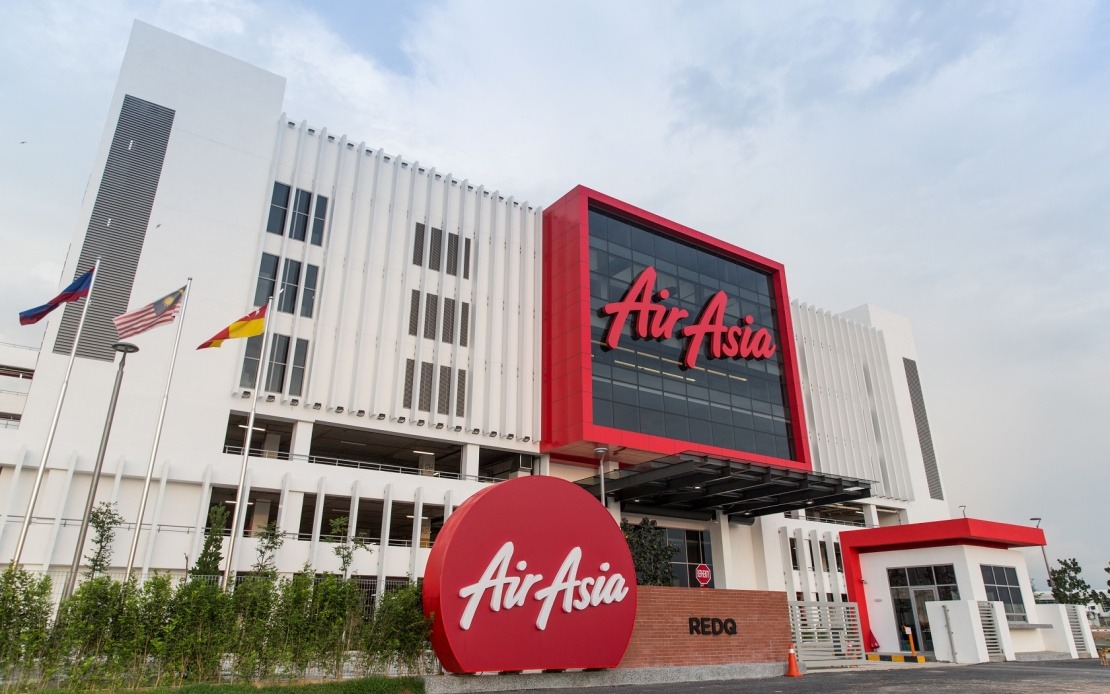
The Malaysian-headquartered low-cost airline AirAsia has moved to protect job applicants by publicly identifying a deceptive recruitment scam that mimics its legitimate hiring channels. The fraudulent operation centres on a fake website registered as airasiaexpress.com, which has been actively soliciting personal information from unsuspecting candidates while falsely promising employment opportunities with the carrier. This warning, issued from AirAsia's Sepang headquarters, underscores a growing threat facing job seekers across the region who may struggle to distinguish between genuine corporate recruitment platforms and increasingly sophisticated counterfeit operations.
The mechanics of this particular scam follow a well-established pattern common to employment fraud schemes targeting large multinational employers. The fake portal replicates the visual design and messaging of AirAsia's authentic careers website, creating a superficial veneer of legitimacy that deceives casual visitors. Once applicants have submitted their personal details—including names, contact information, and identification numbers—the fraudsters then demand payment of purported "processing fees" to advance applications through a non-existent hiring pipeline. This dual-phase approach exploits both the trust candidates place in recognisable corporate brands and the financial desperation that sometimes drives job seekers to pay upfront charges despite warnings against the practice.
AirAsia has been explicit in clarifying its actual recruitment practices to distance itself from the scam's operations. The airline's genuine careers portal operates exclusively through careers.airasia.com, a domain under the company's legitimate control. More significantly, AirAsia has reiterated a fundamental principle that should guide all job applicants: the company never charges any form of processing, administration, or application fees at any stage of its recruitment process. This distinction is critical for Malaysian and Southeast Asian job hunters, as numerous fraudsters exploit cultural assumptions about formal hiring procedures or unfamiliarity with international corporate recruitment standards to justify their fee demands.
The emergence of this scam reflects broader vulnerabilities in the digital employment marketplace, particularly in regions where online job searching has become the primary method for connecting applicants with opportunities. AirAsia's status as a regionally prominent employer with thousands of staff across multiple countries makes it an attractive target for impersonation. Candidates seeking positions with the airline—whether for cabin crew, ground operations, technical roles, or administrative positions—represent a concentrated pool of motivated individuals willing to navigate complex application processes and potentially overlook warning signs if convinced they are dealing with an official channel.
For Malaysian job seekers specifically, this scam carries particular relevance given AirAsia's significant presence in the country and the airline's role as a major regional employer. The company operates its primary hub at Kuala Lumpur International Airport and maintains substantial operations throughout Malaysia, making employment with AirAsia an aspiration for many locals. Scammers exploit this desirability, betting that candidates will prioritise the opportunity over cautious verification of the recruitment platform's authenticity.
AirAsia has advised applicants to implement straightforward protective measures before engaging with any recruitment website claiming to represent the airline. Job seekers should independently verify the URL they are visiting, ensuring it matches the officially confirmed careers.airasia.com domain rather than similar-sounding alternatives. Applicants should also refrain from transmitting sensitive personal information—including national identification numbers, banking details, or passport information—to any platform that cannot be verified through official AirAsia communications. The airline has emphasised that recruitment staff working through legitimate channels will never request financial payments from candidates.
The airline has also indicated its commitment to ongoing monitoring of fraudulent recruitment activities operating under its name. AirAsia stated it encourages members of the public to report suspected scams and to verify all recruitment information through official company channels before proceeding with applications. This proactive stance reflects the company's recognition that its brand reputation depends partly on protecting candidates from exploitation conducted in its name.
Broader context for this scam exists within the Southeast Asian employment landscape, where cross-border job seeking and multinational employer recruitment create multiple touchpoints where fraud can flourish. The region's young, mobile workforce—particularly in countries like Malaysia, the Philippines, and Indonesia—represents a significant vulnerable population for employment scams. Many candidates possess limited experience navigating corporate recruitment systems and may not immediately recognise the warning signs of fraudulent portals, particularly when these sites have invested effort in visual replication of authentic websites.
For Malaysian readers, this incident serves as a timely reminder of basic cybersecurity hygiene when pursuing employment opportunities online. Legitimate employers rarely, if ever, request upfront payments from applicants. Official recruitment should occur through verified company websites and authorised recruitment agencies with documented relationships to the employer. When doubt exists about a recruitment platform's legitimacy, candidates should contact the employer directly through phone numbers or email addresses independently verified from the company's official website rather than relying on contact information provided within the suspicious portal itself.
AirAsia's public alert also highlights the broader challenge facing multinational corporations attempting to protect their brands and their prospective employees simultaneously. As digital fraud becomes more sophisticated and easier to execute at scale, companies must balance transparent communication about scams with avoiding the appearance of harboring recruitment chaos or inadequate security. By naming the fraudulent domain and clearly stating its official recruitment procedures, AirAsia has taken a straightforward approach to damage limitation and candidate protection.