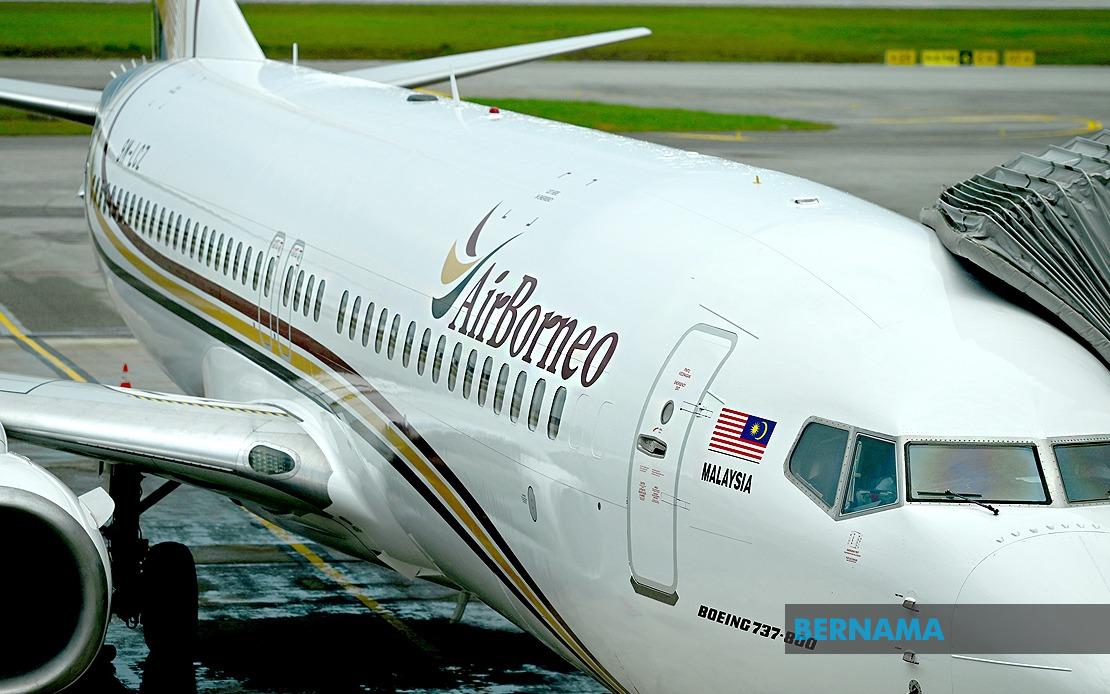
AirBorneo has formally apologised to passengers who experienced delays on Flight MY5004 from Kuala Lumpur to Kuching, attributing the disruption to a technical issue that required resolution before the aircraft could safely depart. The incident, which occurred on July 20, saw the Sarawak-based airline mobilise its customer service operations to manage the situation and maintain passenger confidence during the unscheduled hold.
The airline emphasised that safety protocols took absolute precedence over scheduling considerations, a position that reflects wider industry standards governing air transport operations across Malaysia and Southeast Asia. Rather than rush the aircraft into service, AirBorneo's engineering and flight operations teams conducted thorough inspections to identify and rectify the technical fault, ultimately clearing the aircraft for departure at 7:30 pm after the issue had been fully resolved.
Passenger care during the extended ground time became a focal point of AirBorneo's response strategy. The airline deployed its ground staff to provide continuous communication with affected travellers, ensuring they received regular updates about the situation and expected departure time. Beyond information provision, the carrier arranged complimentary meals and refreshments for those waiting, recognising that extended delays create genuine hardship for passengers whose plans may have been disrupted.
The incident highlights ongoing operational challenges faced by Malaysian regional carriers, which must balance cost pressures against the imperative to maintain aircraft in full compliance with strict regulatory standards. For AirBorneo specifically, which operates routes connecting Sarawak's main commercial hub to Malaysia's broader aviation network, reliability becomes crucial to establishing and maintaining market share against larger competitors.
From a passenger perspective, technical delays represent a particular frustration because they appear sudden and sometimes arbitrary to travellers unfamiliar with aviation maintenance requirements. However, the regulatory frameworks governing Malaysian civil aviation, administered by the Civil Aviation Authority of Malaysia, explicitly mandate that no aircraft may operate while known technical defects remain unresolved. Airlines face potential penalties for releasing unserviceable aircraft, creating a framework that paradoxically produces delays in service of long-term safety outcomes.
AirBorneo's public acknowledgement of inconvenience caused reflects contemporary airline communications strategy, where carriers recognise that transparency and acknowledgment of passenger disruption help retain customer loyalty in competitive markets. The airline's explicit thanks to passengers for patience and understanding attempts to reframe the delay as a collective challenge overcome through mutual cooperation, rather than a service failure.
The carrier's reaffirmation of commitment to maintaining highest safety standards while delivering reliable services represents a careful balancing act that defines contemporary aviation operations. Reliability and safety can occasionally conflict in the short term—as this incident demonstrates—but effective operators must convince customers that temporary delays protect against more serious incidents that could threaten both safety and the airline's long-term viability.
For Malaysian travellers accustomed to regional air services, such incidents remain relatively infrequent, reflecting generally solid maintenance standards across the domestic carrier network. However, the prevalence of technical delays varies considerably between operators, and passenger choice increasingly reflects perceptions of reliability alongside factors like pricing and route networks. An airline's response to disruptions therefore carries significance beyond the immediate incident, influencing how potential customers evaluate service quality.
The Kuala Lumpur to Kuching route represents a critical service for business and leisure travellers connecting Malaysia's most developed peninsula region with Sarawak's economic centres. Disruptions on this route consequently affect broader supply chains and commercial relationships across the two regions, making reliability particularly important for AirBorneo's competitive positioning. The carrier's transparent communication about the July 20 incident may help mitigate reputational damage from the delay itself.
Looking forward, the incident underscores why Malaysian airlines must continue investing in predictive maintenance technologies and engineering capacity to identify and address technical issues before they cause operational disruptions. As Southeast Asian aviation grows, particularly with expanding regional connectivity, maintaining reliable service while upholding uncompromising safety standards becomes increasingly central to competitive differentiation.
AirBorneo's response demonstrates recognition that modern airline customers expect not merely safe flights, but also seamless reliability and attentive service during inevitable disruptions. The carrier's commitment to these standards, tested during actual operational challenges, will ultimately determine its success in an increasingly crowded regional aviation market where multiple carriers compete for the same passenger base.

