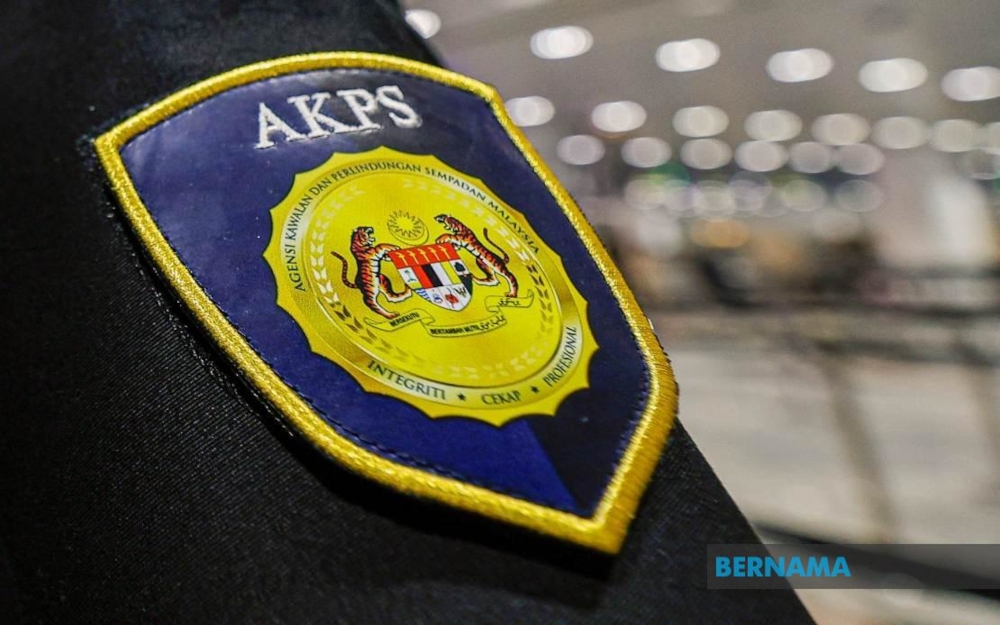
Malaysia's border control authorities have initiated a formal inquiry into claims that an officer at Kuala Lumpur International Airport's second terminal accepted a RM100 payment via personal QR code, a development that underscores emerging vulnerabilities in how digital payment systems interact with airport security protocols. The Malaysian Border Control and Protection Agency, known locally as AKPS, confirmed on July 13 that it is examining the circumstances surrounding the alleged transaction, which potentially represents a breach of ethical conduct standards expected of personnel working at one of the country's busiest aviation gateways.
The use of personal quick response codes to facilitate the alleged payment raises particular concerns among compliance experts, as such digital mechanisms are increasingly difficult to track through conventional audit trails. Unlike official payment channels that generate transparent records, peer-to-peer payment systems leave minimal institutional documentation, making it considerably harder for supervisory bodies to identify patterns of misconduct or establish clear chains of accountability. This gap between the proliferation of cashless payment technologies and the regulatory frameworks governing their use has become a persistent challenge for Malaysian authorities managing high-traffic public infrastructure.
KLIA 2, which handles the majority of Asia Pacific region's low-cost carrier traffic, processes tens of thousands of passengers daily, making it a critical node in Malaysia's tourism and business travel ecosystem. Officers stationed at such facilities occupy positions of considerable authority and responsibility, tasked with protecting national sovereignty while facilitating legitimate cross-border movement. The alleged incident, if substantiated, would constitute a serious deviation from the professional standards upon which public confidence in border operations fundamentally rests.
The investigation reflects broader institutional concerns within AKPS about maintaining the integrity of its workforce at a time when international airports worldwide face mounting pressure to balance efficiency with security. The agency operates within a framework of international aviation standards and Malaysian anti-corruption legislation, both of which impose stringent requirements on personnel conduct. How AKPS responds to this particular case will likely influence how similar allegations are handled and processed in future instances involving airport or border officials.
Corruption at transit points, whether monetary or in the form of preferential treatment, has long been a concern for developing economies seeking to strengthen their reputation as reliable regional hubs. Foreign investors and multinational enterprises frequently cite corruption perceptions as factors influencing their location decisions, making institutional responses to alleged misconduct consequential for Malaysia's competitive positioning in Southeast Asia. The transparency with which authorities investigate and resolve such matters sends important signals about governance standards.
The AKPS investigation will presumably examine whether the payment was connected to any quid pro quo arrangement or whether it represented an isolated incident. Investigators will likely scrutinise communications records, payment histories, and testimony from relevant personnel to establish whether any services or favourable treatment were exchanged for the alleged transfer. The involvement of a personal QR code suggests potential deliberate effort to circumvent official payment channels, implying possible intentionality rather than administrative confusion.
Digital payment platforms have revolutionised convenience for consumers and small businesses across Malaysia, yet their integration into formal institutional settings remains incompletely regulated. Government agencies and public institutions are still developing protocols for managing the risks associated with personal financial technology, particularly in contexts where employees wield discretionary authority. This incident demonstrates that regulatory adaptation has not kept pace with technological adoption in some quarters of the public sector.
The scope of AKPS's internal review will determine whether disciplinary action is warranted against the officer in question and whether systemic changes to oversight mechanisms are necessary. Potential findings could trigger updates to training programmes, implementation of additional monitoring measures, or modifications to approved payment procedures at border facilities. International comparisons suggest that robust internal investigation processes, coupled with transparent communication about outcomes, significantly strengthen public trust in institutional integrity.
Malaysia's tourism industry, which contributes substantially to government revenues and employment, depends partly on smooth international movement through facilities like KLIA 2. Any perception that border or customs personnel engage in corrupt practices can discourage business travel and damage the nation's reputation as a professional, well-governed destination. Conversely, demonstrating swift and thorough investigation of misconduct allegations reinforces Malaysia's commitment to maintaining high administrative standards.
The AKPS probe also occurs within a wider Malaysian context of enhanced anti-corruption enforcement, following several high-profile investigations across different government agencies and sectors. Public tolerance for institutional misconduct has diminished materially in recent years, alongside growing expectations for accountability at all levels of government. This particular case, though potentially involving a relatively modest sum of money, carries symbolic importance for how seriously authorities treat compliance obligations among personnel occupying positions of public trust.

