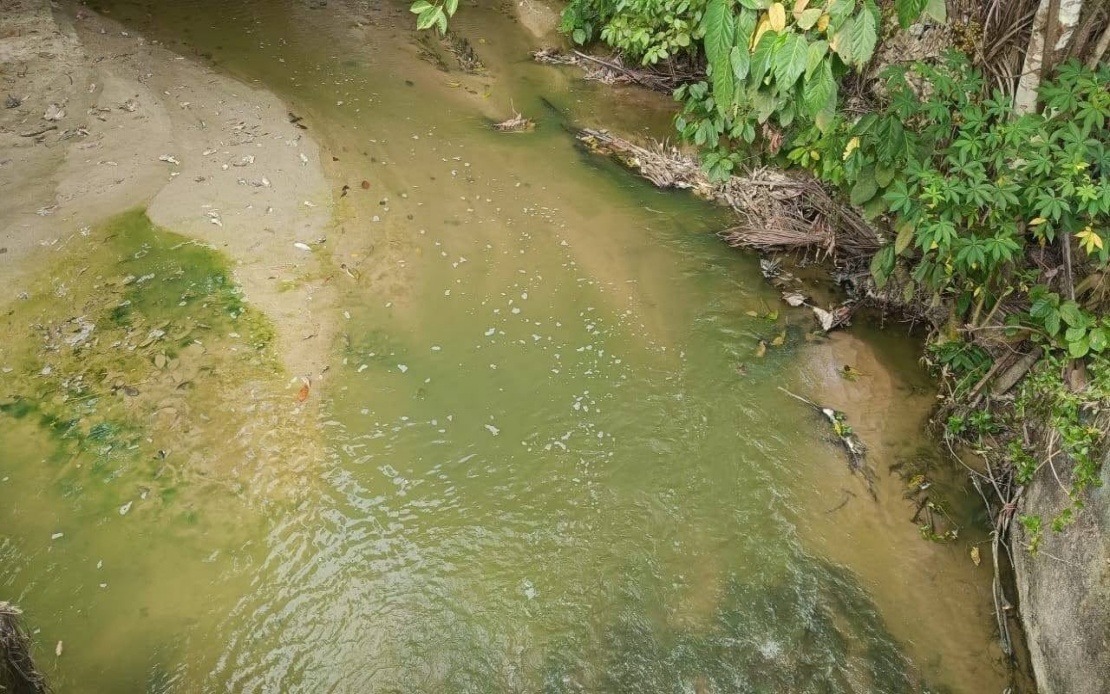
A viral social media alert about the mysterious greening of Pertang River in Mukim Pertang, Jelebu, has been explained by state authorities as a natural phenomenon linked to fish-farming operations rather than industrial discharge or chemical pollution. The Negeri Sembilan Department of Fisheries reassured residents this week that the unusual water colour stems from uncontrolled algae multiplication in nearby aquaculture ponds, a consequence of the region's sustained heat and water scarcity.
Kasim Tawe, the DOF's director, detailed findings from official investigations that ruled out pollution as the culprit. Instead, he identified green algae proliferation in fish-breeding facilities adjacent to the waterway as the source, a condition exacerbated by extended hot weather patterns and insufficient rainfall across the state. The discovery came after departmental staff conducted thorough testing and monitoring of both the river and connected ponds.
The situation illustrates the delicate balance required in aquaculture management, particularly during climate stress. Under normal circumstances, controlled algae presence offers multiple benefits to farmed fish populations. These microscopic organisms generate dissolved oxygen through photosynthesis, a critical component for fish survival in enclosed pond systems. Additionally, algae serves as a natural, nutrient-rich food source that reduces dependency on commercial feed, thereby lowering production costs for farmers. The organisms also function as a protective barrier against ultraviolet radiation, minimising stress reactions in sensitive fish species.
However, the scenario becomes problematic when algal bloom density accelerates beyond manageable thresholds. Kasim warned that excessive, unregulated algae expansion carries serious risks for aquaculture operations. During nocturnal hours, when photosynthesis ceases, dense algae mats can rapidly deplete dissolved oxygen concentrations, creating hypoxic conditions lethal to farmed fish. The decomposition of dead algal material further compounds oxygen depletion. Additionally, unchecked blooms cause abrupt pH fluctuations in pond water, a stress factor that damages gill tissues and impairs fish respiration, potentially leading to mass mortality events.
The affected area comprises a former tin-mining pit repurposed for commercial fish farming, spanning approximately 29.54 hectares and currently stocked with baung, red tilapia, and Lee Koh fish species. This conversion of abandoned mining sites into aquaculture zones represents a pragmatic land-use strategy common across Malaysia's mining-affected regions, though it requires careful environmental stewardship to prevent cascading ecological problems.
To address current algae overgrowth, fisheries authorities have recommended a suite of practical interventions available to pond operators. Installing mechanical aeration devices such as waterwheels provides critical oxygen circulation, particularly during vulnerable nighttime periods when natural photosynthesis cannot occur. Gradual water exchange protocols—replacing a portion of pond water periodically—helps dilute algal spore concentrations and refresh nutrient profiles. Reducing fish feeding rates decreases organic waste accumulation, which otherwise fuels algae growth cycles. Deployment of shade netting limits sunlight penetration necessary for algal photosynthesis. Application of beneficial bacterial cultures, or probiotics, introduces competitive microorganisms that suppress harmful algae species. Finally, temporary reduction of stocking density eases biological load on the system during recovery phases.
The Jelebu District Fisheries Office has established an ongoing surveillance programme in coordination with Pertang Police Station to monitor both river conditions and adjacent pond systems. This joint effort aims to prevent the situation from deteriorating and to detect any genuine pollution incidents that might occur independently of the algae bloom phenomenon. Regular monitoring provides early warning signals should management interventions prove inadequate or should weather patterns shift unexpectedly.
The incident underscores a broader tension within Malaysia's aquaculture sector between expanding production capacity and maintaining environmental equilibrium. As more farmers convert marginal lands into fish-farming operations, the potential for water-quality incidents increases proportionally. Seasonal climatic challenges—particularly extended dry periods—intensify management pressures across the industry. The viral social media narrative surrounding the Pertang River incident reflects public anxiety about water quality that, while understandable, sometimes outpaces technical reality.
Authorities emphasise that residents should not interpret the algae bloom as evidence of chemical contamination or regulatory failure. Rather, the episode demonstrates how natural ecological processes can produce visually alarming results when environmental conditions align unfavourably. The department's transparent communication regarding investigation findings and management strategies represents an appropriate response to public concern, helping distinguish between genuine pollution threats and manageable aquaculture phenomena.
For affected farmers, the current situation presents both challenge and opportunity. Those managing ponds experiencing algae proliferation can implement recommended protocols relatively cost-effectively using standard equipment. The episode may also prompt state-level fisheries authorities to develop more comprehensive drought-response guidelines for aquaculture operators, ensuring that future dry seasons do not trigger similar bloom events. Longer-term, investment in improved water-storage infrastructure across the Jelebu district could buffer against future rainfall deficits, benefiting both agriculture and aquaculture sectors simultaneously.

