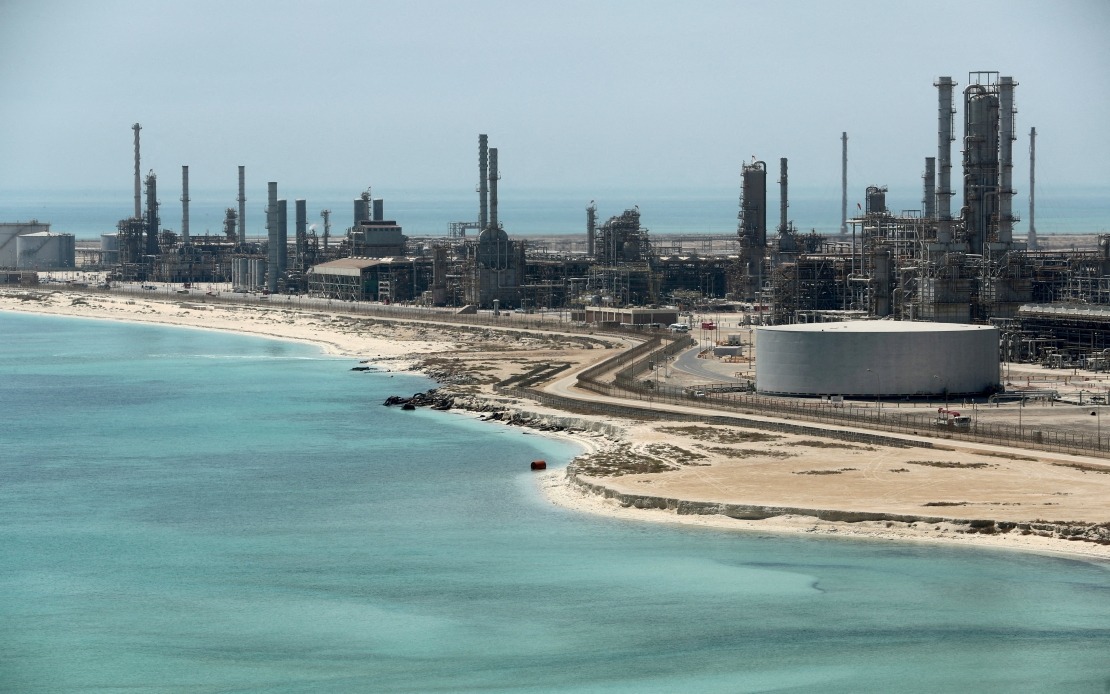
A tragedy unfolded on Saudi Arabia's eastern coast when a helicopter operated by the state oil giant Saudi Aramco went down near Ras Tanura on Sunday morning at approximately 6 am local time, according to an announcement by the Kingdom's Ministry of Energy. The crash claimed the lives of all 14 individuals travelling on the aircraft, each of whom held Saudi nationality. Authorities in the Kingdom have commenced a comprehensive investigation aimed at uncovering the circumstances that led to the disaster.
Ras Tanura, positioned strategically along the Persian Gulf shoreline, represents one of Saudi Arabia's most critical petroleum infrastructure facilities. The location serves dual functions as a major refining centre and a principal export terminal for Saudi crude oil, making it a cornerstone of the nation's energy operations and economic lifeblood. The crash at this strategically vital location has inevitably drawn significant attention both domestically and internationally, given the site's importance to global energy markets and supply chains that extend far beyond the Middle East.
The Saudi Ministry of Energy formally expressed profound condolences to the families who have lost their loved ones in this catastrophic incident. Officials issued statements requesting divine mercy and forgiveness for the deceased, while acknowledging the families' immeasurable loss. Such formal expressions of sympathy, customary in Saudi governmental communications, reflect the gravity with which authorities are treating the tragedy and underscore the human dimension of what is also a significant operational incident for one of the world's largest oil producers.
The incident raises immediate questions about aviation safety protocols within the energy sector. Helicopter operations at major oil facilities, particularly those situated in coastal and offshore environments, operate under stringent regulatory frameworks designed to minimise risks. The comprehensive nature of the investigation announced by authorities suggests that officials recognise the need to scrutinise every aspect of the aircraft's operations, maintenance records, weather conditions, and pilot qualifications to determine whether systemic issues or singular failures contributed to the crash.
For regional observers and those tracking developments in the Gulf energy sector, such incidents carry broader implications beyond the immediate tragedy. Saudi Aramco's operations support not only domestic energy security but also influence global oil prices and supply stability. Any disruption—whether temporary operational pauses or longer-term safety reviews—can ripple through international markets and affect economies dependent on stable energy supplies, including nations throughout Southeast Asia that rely on imported petroleum products.
The crash also underscores the occupational hazards faced by workers in the energy industry, particularly those employed in remote or offshore operations. Helicopter transport remains a standard necessity for reaching facilities located in challenging geographical environments, yet aviation incidents, though statistically rare, carry catastrophic consequences when they occur. This tragedy serves as a sobering reminder of the risks embedded in energy sector operations worldwide.
Investigation teams will likely examine multiple factors in their analysis, including aircraft maintenance records, weather conditions at the time of the incident, pilot experience and training, air traffic control communications, and any mechanical or technical anomalies that might have contributed to the crash. Such investigations typically require weeks or months to complete fully, drawing on expertise from aviation specialists, engineers, and safety analysts who reconstruct the sequence of events leading to the disaster.
The incident occurs within a context where Saudi Arabia has been modernising its regulatory frameworks and safety standards across various sectors, including energy infrastructure. How authorities respond to this investigation and what recommendations emerge may influence safety protocols not only within Saudi Aramco operations but potentially across the broader Gulf energy sector where similar helicopter operations are conducted routinely.
For Malaysian stakeholders in energy and aviation sectors, the investigation's findings and any resulting regulatory changes merit close attention. Regional countries with significant offshore petroleum operations or similar helicopter-dependent infrastructures may adopt lessons learned from the Saudi investigation to enhance their own safety measures. International cooperation in aviation safety and incident investigation contributes to continuous improvement in standards across borders.
As the investigation progresses, additional details regarding the helicopter's condition, flight plan, and operational context are expected to emerge. The Ministry of Energy's commitment to a thorough inquiry reflects international best practices in accident investigation, where transparency and comprehensive analysis serve to prevent future occurrences. The families of those who perished will look to these investigation results for answers and closure, while the broader energy community awaits insights that may reshape safety practices across the sector.

