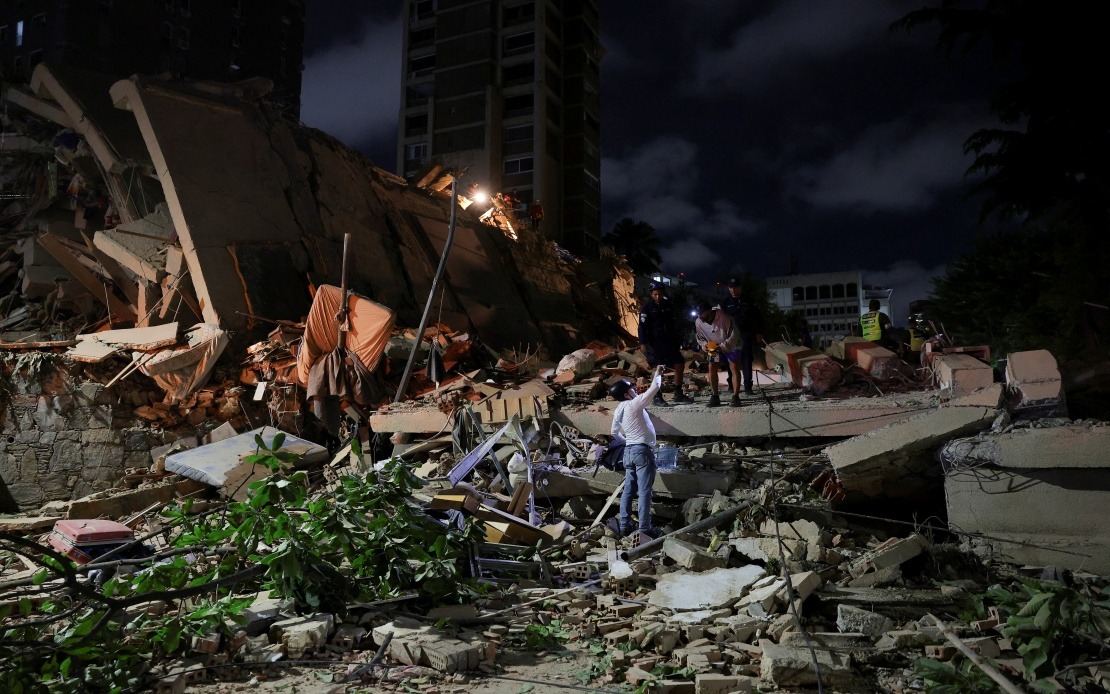
Malaysia's Foreign Ministry has confirmed the safety of all registered Malaysian nationals following a pair of devastating earthquakes that struck central Venezuela on Wednesday, bringing temporary anxiety about the welfare of citizens in the South American nation. In a statement issued Thursday through Wisma Putra, the ministry indicated that no Malaysians had been reported missing or injured, though Venezuelan authorities were still in the early stages of assessing the full humanitarian and structural toll across the affected regions.
The twin seismic events, measuring 7.2 and 7.5 on the Richter scale, originated approximately 21 kilometres from Moron and roughly 168 kilometres west of Caracas, the capital. The powerful tremors radiated outward across the country's populated zones, with considerable shaking registered in Caracas itself and throughout the states of Trujillo, Carabobo, Miranda, and La Guaira. Initial reports from the ground indicated widespread structural damage, including the collapse of several buildings, though comprehensive casualty figures and assessments of property destruction remained incomplete as Venezuelan authorities mobilised their emergency response infrastructure.
For Malaysians abroad, earthquakes of this magnitude trigger immediate consular protocols designed to verify the status of every registered national in the affected country. Wisma Putra's rapid confirmation of safety reflected the embassy's systematic outreach to the Malaysian community in Venezuela and coordination with Venezuelan authorities to cross-check information. The relatively quick all-clear signal demonstrated the effectiveness of Malaysia's consular network in crisis situations, a capability that has been refined through previous natural disasters and emergencies across the Asia-Pacific and beyond.
The ministry's statement emphasised ongoing vigilance, advising Malaysians in or near the affected areas to maintain heightened awareness and follow all instructions from local emergency services. Such guidance reflects the reality that major earthquakes often trigger secondary hazards including aftershocks, landslides, and infrastructure failures that can persist for days or weeks following the initial tremor. The aftershock sequence from events of this magnitude typically demands sustained caution from residents and visitors alike.
Wisma Putra also highlighted an important administrative matter: any Malaysian nationals in Venezuela who have not yet registered their presence through the e-Konsular system were urged to do so immediately. This online platform serves as Malaysia's primary mechanism for maintaining contact with citizens abroad and facilitating rapid communication during emergencies. The registry has proven invaluable during crises, enabling the ministry to quickly distinguish between registered nationals who can be accounted for and unregistered individuals who may require additional tracing efforts. In a country like Venezuela, where communication infrastructure can be challenged and where mobility may be restricted during emergency situations, maintaining accurate registration becomes especially critical.
For those requiring immediate assistance or possessing information about other Malaysians in the affected zones, the Embassy of Malaysia in Caracas established direct contact channels: telephone numbers (+58-212) 720 4257 and (+58-424) 222 1338, as well as email contact via [email protected]. These hotlines formed part of the standard crisis response protocol, allowing the embassy to manage incoming calls from concerned relatives in Malaysia and to gather intelligence about Malaysian nationals scattered across Venezuela's affected regions. The dual phone numbers reflecting different telephone carriers increased the likelihood of reaching consular staff amid the potential disruptions to communications infrastructure.
Venezuela's complex geopolitical and economic situation adds another dimension to this episode. The South American nation has endured prolonged economic hardship, political tensions, and infrastructure challenges in recent years, factors that complicate emergency response capabilities even for a disaster of significant but not catastrophic magnitude. The presence of Malaysian nationals in Venezuela, whether engaged in business, diplomatic work, or personal pursuits, underscores the breadth of Malaysia's diaspora and economic engagement across diverse global regions. While the confirmed safety of all registered nationals brings relief, the broader situation in Venezuela remains fragile, potentially affecting the country's ability to mount sustained recovery and reconstruction efforts.
From a regional perspective, this episode illustrates the interconnectedness of Southeast Asian citizens with distant parts of the world and the importance of robust consular infrastructure. Malaysia's Foreign Ministry maintained close coordination with Venezuelan authorities to monitor developments and receive updates on the broader situation. This collaborative approach reflects international norms around mutual assistance during natural disasters and the shared responsibility nations bear toward verifying the welfare of foreign nationals within their territories. The ministry's commitment to provide continued updates as circumstances evolved signalled an intention to maintain transparency with Malaysian families and the broader public.
The incident also serves as a reminder of the unpredictable nature of natural disasters and the necessity for citizens abroad to maintain appropriate insurance coverage, emergency preparedness, and contact information with their home country's diplomatic missions. Earthquakes, regardless of magnitude, demand respect and preparation. For the Malaysian community in Venezuela—whether long-term residents or temporary visitors—the events of Wednesday emphasised the value of staying connected to official channels and maintaining awareness of their surroundings. Looking forward, the ministry's reiteration that further updates would be issued ensures that Malaysians monitoring the situation would receive reliable information as Venezuelan authorities completed their damage assessments and the broader situation stabilised.

