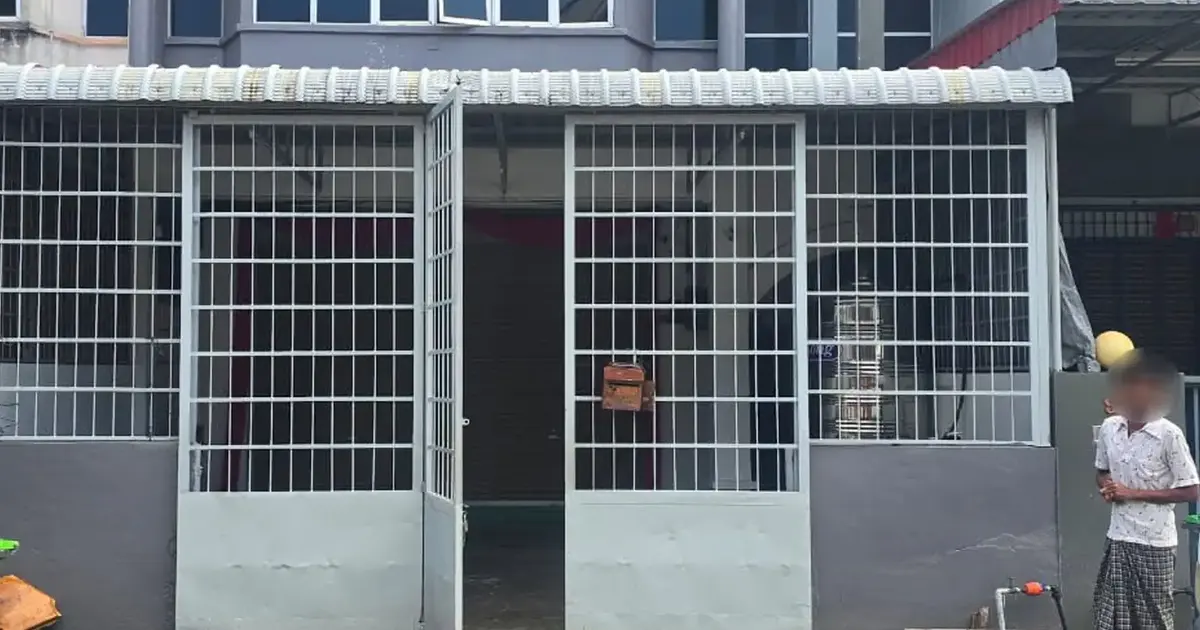
Alor Setar city council has moved to shut down an operation that was functioning as a school for Rohingya children at an industrial premise, marking another intervention in the complex landscape of refugee education in Malaysia. The raid represents efforts by local authorities to enforce compliance with municipal regulations governing land use and educational institutions, though it also highlights the gaps in formal schooling access faced by displaced communities within the country.
The investigation centres on two key violations: the misuse of an industrial-zoned property for educational purposes and the operation of an unauthorised educational institution. These infractions point to deeper questions about how municipalities enforce zoning regulations while managing the informal education systems that have emerged to serve communities without formal access to Malaysian schools. Industrial zones in Malaysian cities are strictly demarcated to preserve manufacturing and commercial activity, making their conversion into educational spaces a serious breach of planning law.
For the Rohingya community in Malaysia, education remains a persistent challenge. While Malaysia hosts one of Southeast Asia's largest populations of Rohingya refugees—numbering over 180,000 according to UN estimates—formal pathways into the national education system remain largely closed. Children of Rohingya descent typically cannot enrol in government schools without citizenship documentation they do not possess, creating a vacuum that informal learning centres have sought to fill. These makeshift classrooms, often operating from residential or commercial spaces, attempt to provide basic literacy and numeracy instruction to children who would otherwise have no structured educational opportunity.
The Kedah operation reflects a broader tension between regulatory enforcement and humanitarian realities. Municipal authorities tasked with upholding zoning laws face pressure to maintain urban planning standards, yet doing so can disrupt the fragile educational infrastructure serving stateless populations. Alor Setar, as the state capital of Kedah, sits in a region with significant refugee populations and has previously grappled with questions about integrating displaced communities into city life while maintaining municipal order.
The specifics of how this particular establishment was discovered and what prompted the raid remain under investigation, though such operations typically come to light through complaints about unauthorised industrial use or concerns raised by neighbouring businesses. The city council's action suggests either a direct complaint or a proactive compliance sweep. The outcome of this case will likely influence how other informal educational spaces serving refugee communities navigate their operations, particularly regarding location selection and official notification to authorities.
For Rohingya families affected by the closure, the immediate consequence is disruption to whatever educational continuity their children had achieved. Even basic instruction in reading, writing, and numeracy becomes crucial for young people whose futures remain uncertain. The loss of such spaces, however informal, represents a setback in their ability to maintain academic progress and mental stimulation during prolonged displacement. Malaysia has not ratified the 1951 Refugee Convention, meaning Rohingya residents lack formal refugee status and the associated protections and entitlements that would normally facilitate school access.
The investigation into unauthorised education institution operation also raises questions about what standards, if any, were being maintained at the facility. Legitimate concerns about curriculum quality, instructor qualifications, and child safety in unregulated settings exist alongside recognition that these informal schools often operate with dedication and limited resources. Malaysian authorities must weigh enforcement action against the reality that no formal alternative exists for these students within the legal framework.
Regional implications extend across Southeast Asia, where similar informal education arrangements serve Rohingya and other displaced populations. Countries including Bangladesh, Thailand, and Indonesia wrestle with comparable questions about balancing municipal regulations with humanitarian responsibilities. Malaysia's approach, demonstrated through actions like this Alor Setar raid, influences how neighbouring nations perceive enforcement obligations and humanitarian accommodation.
The broader policy context matters significantly here. Malaysia's government has expressed commitments to humanitarian principles while maintaining strict immigration controls and citizenship requirements. The enforcement action in Alor Setar fits within this framework—upholding regulations that protect formal systems and municipal order—yet raises persistent questions about whether incremental enforcement against informal education providers constitutes an adequate policy response to the education crisis affecting refugee children.
Moving forward, this case may prompt discussions among education stakeholders, humanitarian organisations, and local authorities about finding regulated solutions that serve both community needs and municipal requirements. Some regions have explored licensed informal learning centres or partnerships between authorities and community organisations to provide oversight while maintaining educational access. Whether Kedah or Alor Setar specifically pursues such alternatives remains uncertain, but the tension illustrated by this raid will persist as long as formal education pathways remain closed to children without citizenship documentation.

