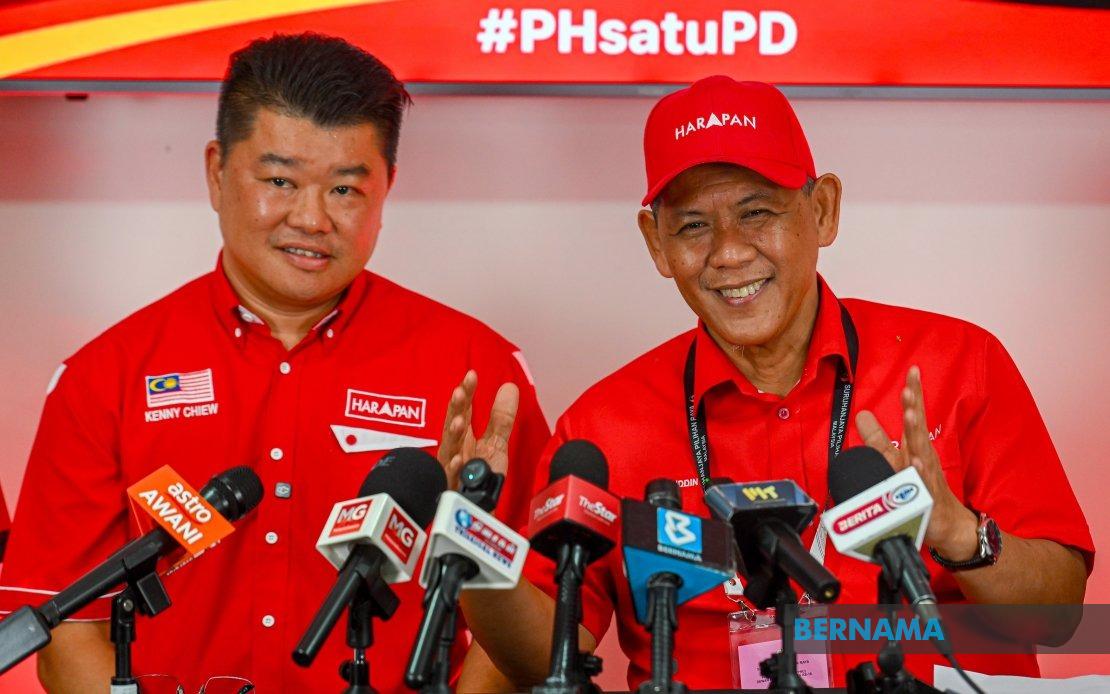
The 16th Negeri Sembilan State Election campaign has taken on a troubling undertone as vandalism incidents mar the opening days of electioneering, prompting the state's chief administrator to make a direct appeal for political maturity and adherence to democratic principles. Menteri Besar Datuk Seri Aminuddin Harun, addressing supporters in Port Dickson while campaigning for the Linggi state seat as a Pakatan Harapan (PH) representative, used the occasion to urge all political contestants to conduct themselves with integrity and strict compliance with electoral regulations throughout the polling period.
The vandalism incidents that triggered Aminuddin's intervention suggest the campaign climate is deteriorating into destructive conduct that undermines democratic values. The PH coalition's media operations centre reported multiple instances of destruction targeting party campaign infrastructure, including the burning of party flags in the Palong constituency and the deliberate damage of flagpoles in Chembong. Such acts represent a significant departure from the standards expected in a politically mature state, and their occurrence this early in the campaign cycle indicates potential escalation if left unaddressed.
Aminuddin's remarks underscore a broader concern about maintaining standards in Malaysian electoral contests. His emphasis on conducting campaigns "the proper way" reflects an understanding that electoral integrity extends beyond mere compliance with technical rules—it encompasses the conduct and restraint demonstrated by all participants. In a civilised democracy, he suggested, voters should have the opportunity to evaluate politicians based on their substantive messaging and policy proposals rather than being distracted or intimidated by acts of destruction against campaign materials.
The police have already begun investigating these incidents. Negeri Sembilan Police Chief Datuk Alzafny Ahmad confirmed that authorities received reports of campaign material vandalism in Jempol, while investigations into the Chembong incident remain ongoing. The involvement of law enforcement signals that these cases are being treated seriously and that electoral authorities view such conduct as potentially violating campaign regulations, though the specific charges and outcomes remain undetermined.
The timing of these disturbances warrants examination. The Negeri Sembilan State Legislative Assembly was formally dissolved on June 5, setting the electoral calendar in motion. The Election Commission subsequently announced July 28 as the date for early voting, with the main polling day scheduled for August 1. The campaign period therefore spans roughly a month, providing ample opportunity for further incidents if underlying tensions among contesting parties remain unresolved. Early vandalism during the campaign's initial phase suggests friction that may intensify as the polling date approaches.
For Malaysian observers monitoring state elections, the Negeri Sembilan situation carries implications beyond the state's borders. Campaign conduct across Malaysia's states reflects broader democratic health within the federation, and patterns of vandalism or intimidation in one state can establish precedents that other jurisdictions follow. The success or failure of enforcement measures in Negeri Sembilan may therefore influence how electoral authorities and political parties approach campaign discipline in future state and national contests.
The PH coalition's decision to formally report these incidents through its media centre indicates that the coalition views vandalism as sufficiently serious to warrant public documentation. By bringing the matter to media attention and prompting police investigation, PH has signalled that it will not tolerate what it perceives as improper conduct by rival parties. This approach may deter further incidents, or conversely, it may escalate tensions if opposing coalitions interpret the reports as provocative.
Aminuddin's explicit appeal for respect for electoral rules carries particular weight given his position as Menteri Besar and a sitting politician with significant influence over state administration. His call for all parties to allow voters to judge political conduct based on campaign messaging rather than responses to destructive acts frames the vandalism as beneath the dignity of serious electoral competition. This rhetorical positioning attempts to establish a moral standard that contestants would face public criticism for violating.
The broader context of Malaysian politics suggests that campaign-related violations occur with sufficient frequency to warrant systematic attention. Each state election presents an opportunity for enforcement and deterrence, or conversely, for normalization of improper conduct if violations go unpunished. The outcomes of investigations into the Negeri Sembilan vandalism cases will therefore carry significance for how future campaigns unfold across the federation.
Moving forward, voters in Negeri Sembilan face a choice between parties competing in an environment shadowed by reports of destructive conduct. Whether the state's electoral authorities can maintain order and whether political parties can self-regulate to prevent further incidents will shape the tone of campaigning through August 1. The appeal from Aminuddin and the involvement of police investigations represent the formal institutional response to early indications of campaign deterioration, but their effectiveness depends on voluntary cooperation from contestants and consistent enforcement against violators.

