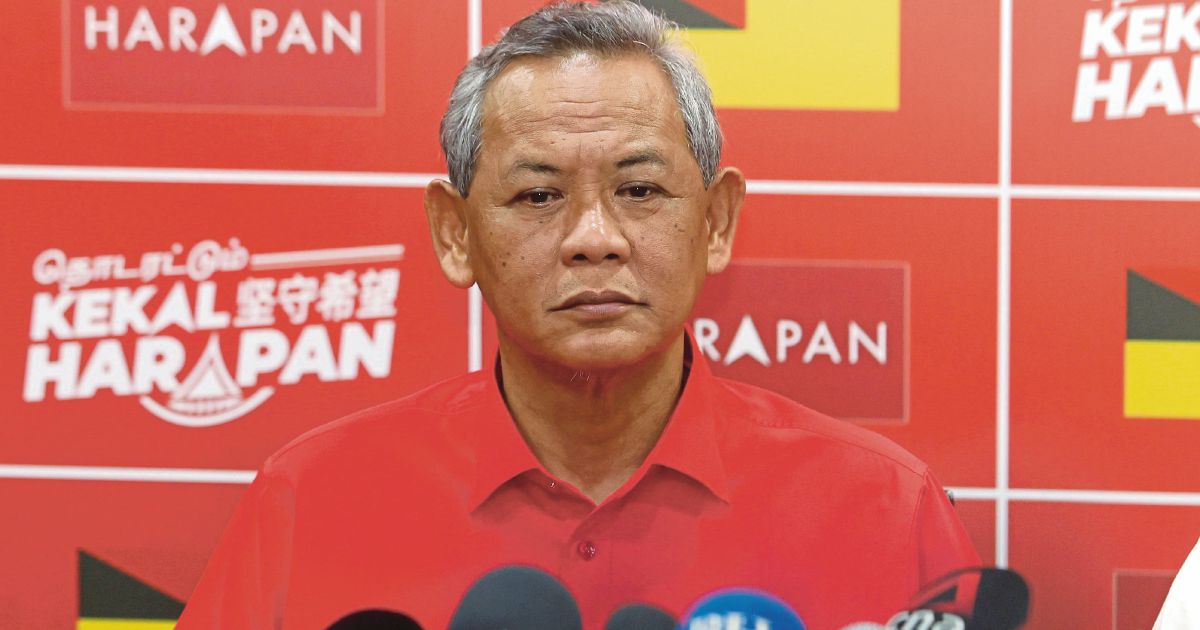
Datuk Seri Aminuddin Harun, who previously led Negri Sembilan as menteri besar, has indicated his willingness to vacate the chairmanship of Parti Keadilan Rakyat's state division in the aftermath of disappointing electoral results. The move reflects a pattern increasingly familiar in Malaysian politics, where electoral underperformance at the state level often precipitates leadership changes intended to stabilise party structures and rebuild voter confidence.
The announcement carries particular significance for Negri Sembilan's political landscape, a state that has witnessed considerable turbulence in recent years as various coalitions have jostled for control. Aminuddin's tenure as menteri besar represented a period when PKR held substantial influence in the state administration, but the recent election results suggest the party's standing among voters has contracted materially. His readiness to relinquish the chairmanship signals recognition that fresh leadership may be essential for the party to chart a viable path forward in the state.
Within Malaysia's contemporary political context, voluntary leadership transitions following electoral defeats represent attempts by parties to reset their narratives and distance themselves from unpopular policies or governance records. For PKR specifically, the significance extends beyond Negri Sembilan alone. As a pivotal member of the ruling federal coalition, the party's performance in state-level contests provides crucial indicators of its standing among ordinary Malaysians and foreshadows potential implications for national politics.
Aminuddin's background as a former menteri besar provides him with substantial experience in state administration and legislative matters. His decision to step down comes after voters rendered their verdict at the ballot box, suggesting he recognises that continuing in a leadership position following an electoral loss might hamper rather than aid the party's recovery efforts. Such graceful transitions, when executed properly, can help preserve a politician's standing and create space for party renewal.
The Negri Sembilan state election results warrant examination in terms of broader patterns affecting PKR's electoral fortunes. The party has faced mounting pressures across several fronts, including competition from other Pakatan Harapan coalition members and renewed challenges from Barisan Nasional. Understanding why voters in Negri Sembilan shifted their preferences away from PKR becomes essential for the party's strategic planning and candidate selection processes in forthcoming electoral cycles.
Succession planning within PKR's Negri Sembilan structure will now move to the forefront of the party's agenda. The organisation will need to identify capable candidates possessing both grassroots credibility and administrative experience to assume the vacant position. This process typically involves consultations among party members, consideration of potential candidates' track records, and assessment of who can most effectively mobilise support in different constituencies across the state.
The timing of leadership transitions in Malaysian political parties often reflects not merely electoral performance but also broader factional dynamics within party structures. PKR, like many Malaysian political organisations, contains multiple interest groups competing for influence and resources. Aminuddin's departure may reshape these internal alignments and create opportunities for different factions to consolidate power or launch fresh initiatives.
For Malaysian voters observing these developments, the episode illustrates how electoral feedback operates within the country's political system. When parties lose support, their leadership structures adapt accordingly. This responsiveness, though sometimes delayed or incomplete, demonstrates that electoral outcomes carry consequences for political elites. Understanding these patterns helps citizens recognise that their voting choices do influence the composition and direction of political parties.
The broader implications for Southeast Asian politics merit consideration as well. As democracies across the region navigate periods of political realignment and coalition-building, leadership transitions responding to electoral defeats provide windows into how different parties navigate setbacks. Malaysia's experience with these transitions offers lessons and cautionary tales for neighbouring democracies experiencing similar electoral volatility.
Looking ahead, Negri Sembilan's political trajectory will depend substantially on how effectively PKR manages this transition period and whether incoming leadership can address underlying grievances that motivated voters to shift their support elsewhere. Whether Aminuddin's departure facilitates genuine party renewal or merely represents cosmetic adjustment remains to be seen. The credibility and effectiveness of his successor in connecting with voters will ultimately determine whether this leadership change translates into electoral recovery.

