Depositors should maintain their faith in Lembaga Tabung Haji, according to leading financial analysts, who argue that the institution's recovery trajectory and implementation of reform measures demonstrate management's commitment to protecting savings entrusted to it. The assurance comes in the wake of the Royal Commission of Inquiry report becoming public, which detailed institutional failings spanning the 2014 to 2020 period and outlined 25 recommendations for remedial action.
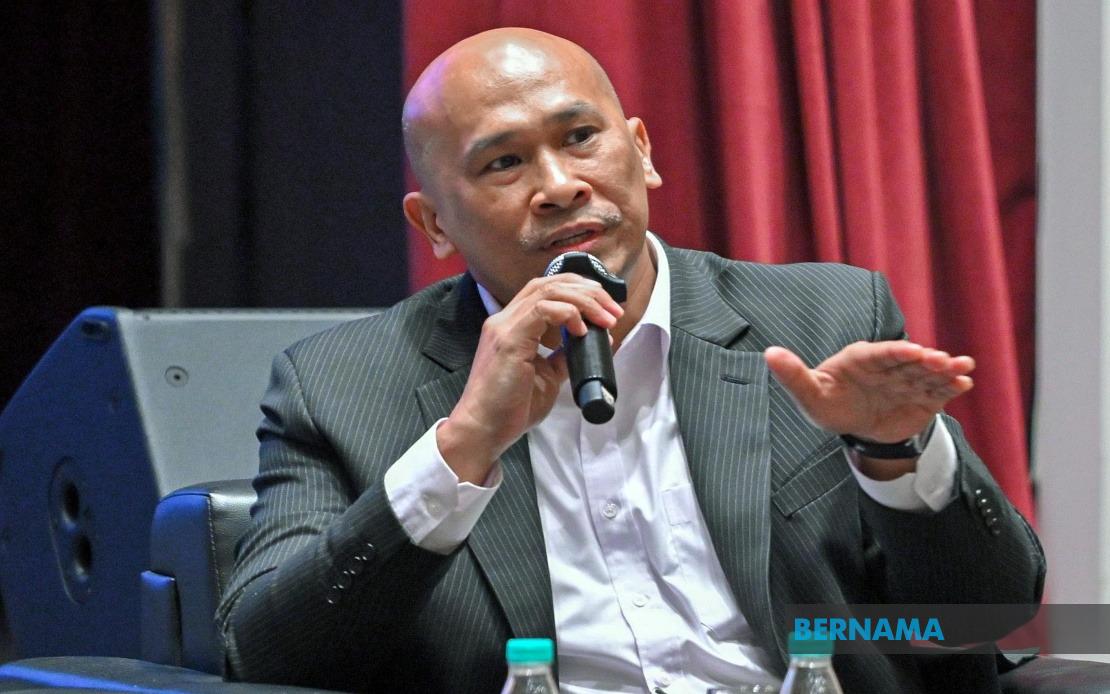
Dr Mohd Afzanizam Abdul Rashid, chief economist at Bank Muamalat Malaysia Bhd, emphasised that the challenges outlined in the inquiry were not revelations but rather longstanding issues already understood by stakeholders and the public. Crucially, he stressed that targeted recovery programmes have been underway and are demonstrating tangible results. The most significant marker of institutional health, he argued, lies in TH's audited financial statements, which show the organisation has maintained positive net assets—defined as total assets minus liabilities—throughout 2021 and into the following year, establishing a five-year streak of positive growth.
This consecutive run of net asset growth carries substantial weight in assessing institutional solvency and depositor protection. For an institution managing the savings aspirations of millions of Malaysian Muslims, such metrics become indicators that recovery mechanisms are functioning as intended and that the worst of the crisis has likely passed. The inquiry's findings, compiled in 2022 but only recently disclosed publicly, had already been factored into strategic decisions affecting TH's operational structure and financial management.
Among the critical areas requiring attention, analysts point to governance improvements as fundamental to restoring public confidence. This encompasses not merely accounting procedures but also changes to institutional leadership and management architecture. The governance dimension resonates particularly in Malaysia's context, where questions about Islamic financial institutions' stewardship remain sensitive issues affecting millions of aspirational pilgrims and their families. Dr Mohd Afzanizam cautioned against evaluating TH solely through a financial lens, noting that the institution's performance encompasses broader dimensions critical to its mission and public standing.
One such dimension involves TH's stewardship of hajj operations and its diplomatic relations with Saudi Arabia. The economist highlighted that Malaysia's standing with Saudi authorities directly influences hajj quota allocations, which carry profound significance for Muslim Malaysians seeking to fulfil religious obligations. TH's institutional reputation in the Kingdom remains robust, a fact reflected in the positive reception accorded Malaysian pilgrims and umrah participants by Saudi counterparts. This goodwill, he suggested, stems from TH's role in ensuring disciplined conduct among Malaysian delegations, thereby elevating the nation's profile among host authorities.
Mohd Hafiz Abd Hamid, secretary-general of IKRAM Malaysia, offered a complementary perspective, arguing that TH should not be appraised merely as a conventional savings or deposit-taking entity. Instead, the organisation functions as a custodian of collective Muslim aspiration, holding substantial moral and religious significance beyond its balance sheet. This framing recontextualises the institution within Malaysia's Islamic social fabric, where safeguarding depositor confidence represents both a fiduciary obligation and a matter of religious trust. Management at all levels, he argued, must remain vigilant against erosion of public confidence, which could undermine the institution's foundational purpose.
The human dimension of public confidence emerged vividly through the perspective of Nooraishah Wahab, a 57-year-old depositor and housewife, who affirmed that the inquiry's public disclosure had not shaken her commitment to maintaining savings with TH. Her continued investment reflected a reasoned assessment that management remains committed to safeguarding depositor interests, despite the historical shortcomings catalogued in the formal inquiry. Such individual expressions of sustained confidence, multiplied across the depositor base, carry practical significance for the institution's funding stability and operational continuity.
The Royal Commission's 211-page report, released on July 29, detailed systemic weaknesses spanning seven years and proposed 25 remedial recommendations. By July 30—merely one day after public disclosure—TH had already implemented 75 per cent of these recommendations, a pace suggesting that corrective action had been underway well before the formal findings entered public discourse. This sequencing indicates that institutional leadership anticipated key findings and had already begun executing countermeasures, rather than responding reactively to external scrutiny.
For Malaysian depositors and the broader Muslim community, the analysts' message reflects a calculated assessment that TH has navigated the most acute phases of its institutional crisis. The five-year streak of positive net assets, coupled with aggressive implementation of governance reforms and maintenance of strong international standing, suggests that the recovery narrative extends beyond rhetorical reassurance. Yet the inquiry findings underscore that vigilance remains necessary, and management must persist in addressing the systemic vulnerabilities that led to the original crisis.
The stakes extend beyond individual depositors to encompass Malaysia's broader Islamic financial ecosystem. TH's stability influences confidence in other Islamic institutions and signals to international observers the maturity of Malaysia's regulatory and supervisory frameworks. A successful recovery trajectory would validate the effectiveness of Malaysia's institutional checks and the capacity of Islamic financial entities to self-correct under pressure. Conversely, any relapse would carry reputational consequences extending far beyond TH itself.
The public release of the inquiry report, rather than representing a moment of institutional reckoning, appears positioned by analysts and depositors alike as confirmation that known challenges are being systematically addressed through established governance channels. This framing—emphasising continuity of recovery efforts rather than dramatic revelation—may help sustain the institutional confidence upon which TH's functioning ultimately depends.

