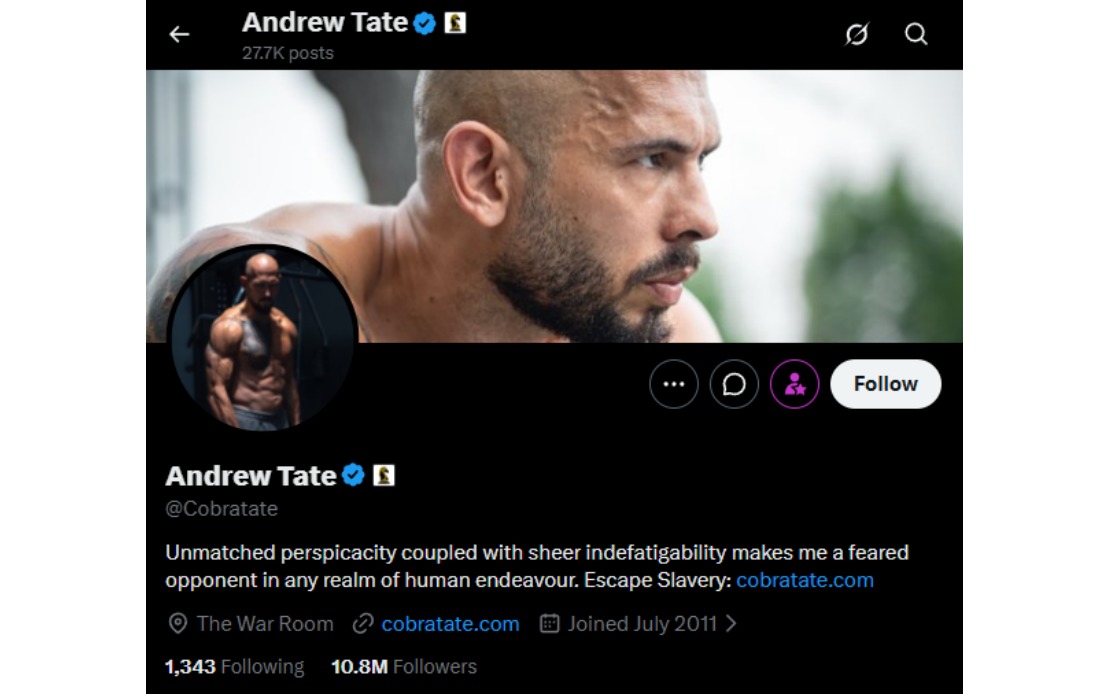
The controversial Tate brothers have been taken into custody in Miami following the filing of new criminal charges against them by the United Kingdom's Crown Prosecution Service. Andrew Tate and his brother Tristan were apprehended on Saturday by the US Marshals Service, a development that represents a major turning point in their troubled legal saga. The arrest comes after British authorities formally announced additional rape and sex-trafficking allegations, intensifying the scrutiny surrounding the pair who have cultivated enormous followings across social media platforms despite widespread condemnation of their content and rhetoric.
The apprehension in Miami signals escalating international cooperation in the case, with American law enforcement working in tandem with British prosecutors to bring the brothers into custody. This multi-jurisdictional approach underscores the seriousness with which authorities in multiple nations are treating the allegations. The Crown Prosecution Service's announcement of fresh charges represents a significant development, suggesting that investigators have gathered sufficient evidence to warrant additional criminal proceedings beyond those previously pursued.
Andrew Tate, who built a substantial online presence through controversial content centred on traditional gender roles and wealth accumulation, has faced mounting legal difficulties despite maintaining a devoted audience. His ability to cultivate and retain followers despite facing serious criminal allegations speaks to the broader challenge authorities face in addressing harmful content on social media platforms. The situation highlights the gap between legal accountability and the protection mechanisms available on digital platforms, where controversial figures can continue building audiences even when facing criminal charges.
The charges filed by British prosecutors represent a significant escalation from earlier legal troubles the brothers have encountered. The decision to pursue rape and sex-trafficking allegations through formal charges indicates that investigators have moved beyond preliminary investigations into substantive prosecutorial action. These charges carry severe potential consequences, reflecting the gravity with which authorities view the alleged conduct. The timing of the arrests in the United States adds a layer of complexity to the case, as it involves coordinating between different legal systems and jurisdictions.
For Southeast Asian audiences, this case carries particular relevance regarding the proliferation of problematic content from Western influencers that reaches regional audiences through social media. The Tate brothers' content has circulated widely across Malaysia and the broader region, reaching young audiences and shaping conversations around relationships and gender dynamics. The legal accountability now unfolding in British and American courts demonstrates that platform influence and large followings do not shield individuals from criminal prosecution for serious offences. This serves as an important counterpoint to the sometimes unchecked spread of such content through regional social networks.
The arrests also illuminate ongoing challenges within the social media ecosystem regarding content moderation and creator accountability. While major platforms have taken steps to remove or restrict the Tate brothers' content, the damage stemming from their earlier widespread distribution has already occurred. This incident underscores the need for more proactive approaches to identifying and addressing harmful content before it reaches millions of viewers, particularly in regions with younger, rapidly growing online populations such as Malaysia and Southeast Asia.
British prosecutors' decision to pursue these charges reflects evolving legal frameworks around online conduct and its real-world consequences. The Crown Prosecution Service's involvement indicates that authorities are treating the allegations as falling within the scope of serious criminal conduct worthy of prosecution, despite the defendants' status as social media personalities. This represents an important assertion that legal accountability applies uniformly, regardless of a person's platform prominence or follower count.
The detention of both brothers simultaneously suggests coordinated action between American and British authorities, indicating a high level of confidence in the evidence supporting the charges. The US Marshals Service's role in the apprehension demonstrates American commitment to supporting international prosecutions when serious crimes are alleged. Such cooperation reflects broader trends toward cross-border legal accountability, particularly for crimes involving exploitation and trafficking.
The implications of this case extend beyond the Tate brothers themselves. Their prosecution may establish important precedents regarding the accountability of social media influencers for conduct that occurs outside the digital sphere. Courts in both the United States and United Kingdom will likely consider how online platforms and influence relate to off-platform criminal activity, setting standards that may influence future cases involving prominent online personalities accused of serious crimes.
For Malaysian readers and Southeast Asian observers, this development serves as a reminder that internet fame and global followings do not exempt individuals from legal consequences in their home jurisdictions or in countries where they may travel. The arrest in Miami, following charges filed in Britain, demonstrates that legal systems are increasingly capable of pursuing and apprehending individuals across international borders when serious allegations are involved. This is particularly significant for a region where online influence continues to grow rapidly and where questions about accountability for harmful content remain pressing concerns.

