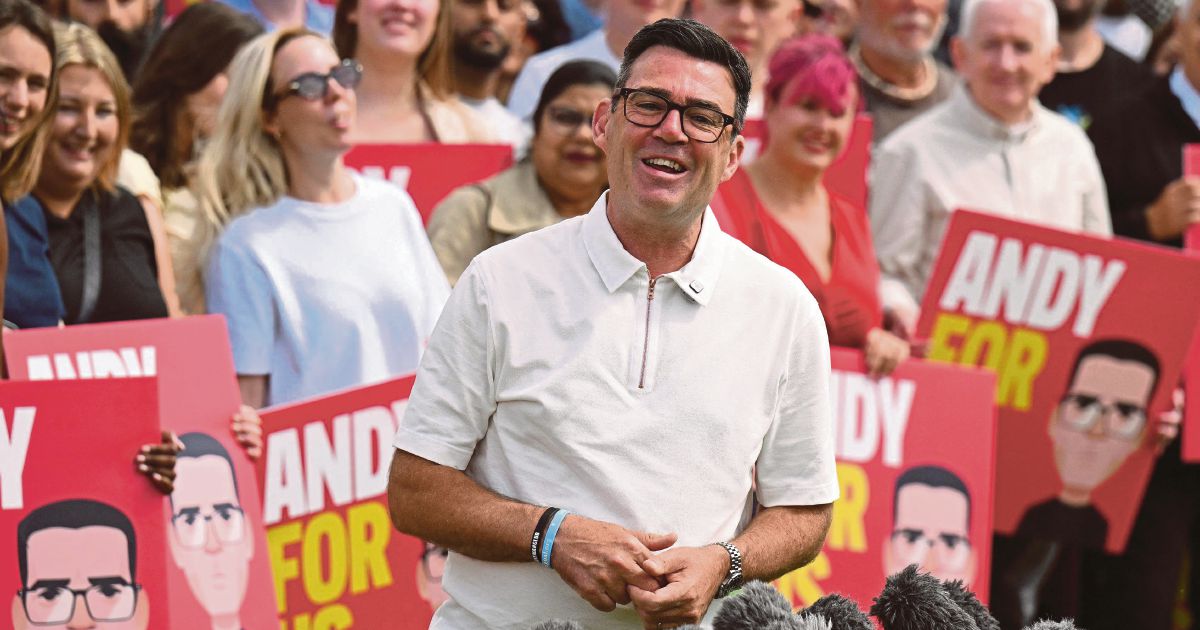
Andy Burnham entered Downing Street on Monday as Britain's seventh prime minister in just ten years, a striking indictment of the political instability that has gripped the United Kingdom in recent years. The appointment of Burnham, who earned his 'King of the North' moniker through years of regional advocacy and leadership, represents a significant shift in direction for the world's fifth-largest economy as it grapples with mounting social and economic pressures.
The new prime minister has placed substantial emphasis on a sweeping reform agenda that he describes as 'rewiring' Britain, a phrase designed to signal comprehensive and fundamental change rather than incremental adjustment. This framing reflects Burnham's intention to address what he views as systemic disconnects between Westminster policymaking and the lived experiences of ordinary citizens across the country. The language of rewiring suggests not merely tinkering with existing structures but rather reimagining how government functions and where it directs its attention and resources.
Among the most pressing challenges facing Burnham's administration is the cost-of-living crisis that has destabilised household finances across the nation. Families have faced unprecedented pressures on budgets as inflation, energy prices, and essential service costs have spiralled in recent years. This issue carries particular resonance in Northern England, where Burnham built his reputation and political base, and where many communities have experienced economic hardship more acutely than their Southern counterparts. His commitment to addressing these concerns head-on reflects both his political background and his assessment of public priorities.
Equally significant in Burnham's policy framework is the overhaul of public services, which have come under severe strain in recent years. The National Health Service, in particular, has faced relentless pressure from rising demand, staffing shortages, and inadequate funding. Schools, social care systems, and local government services have similarly deteriorated, creating widespread dissatisfaction among voters. Burnham's pledge to improve these services strikes at the heart of what many Britons consider the government's fundamental responsibility: ensuring that essential provisions function effectively and equitably.
The rapid succession of prime ministers that preceded Burnham—seven in a single decade—has left Britain's political system and public confidence severely damaged. Each transition brought fresh promises of renewal, yet underlying problems persisted and in many cases worsened. This context makes Burnham's ascension both an opportunity to break that cycle and a test of whether meaningful change remains possible within the existing framework. The scale of expectation is correspondingly high, as voters have grown increasingly skeptical of political pledges.
Burnham's background as Mayor of Greater Manchester and his long advocacy for devolved power and regional investment distinguish him from predecessors who often appeared disconnected from communities outside London. His political identity has been built on championing Northern interests and challenging what he has characterised as a London-centric approach to governance. This regional perspective may prove advantageous as he attempts to rebuild public trust and demonstrate that government can be responsive to diverse needs across the United Kingdom.
For Southeast Asian observers, Britain's political turbulence offers contrasting lessons. Malaysia has experienced relative stability in governance structures despite leadership transitions, while Britain's revolving-door premiership reflects deeper constitutional vulnerabilities. Burnham's attempts at systemic reform raise questions about whether individual leaders can genuinely restructure entrenched institutional problems, or whether broader parliamentary reform might be necessary. The comparison highlights how different Westminster democracies have managed—or failed to manage—periods of profound change and public dissatisfaction.
The international dimensions of Burnham's leadership also warrant attention. Britain's position in global affairs, its relationship with the European Union following Brexit, and its strategic partnerships in the Indo-Pacific region will all fall under his purview. These matters carry consequences for regional stability and trade relationships that extend far beyond Britain itself. How Burnham's administration approaches foreign policy and international engagement may reshape Britain's role in global affairs during a period of significant geopolitical transition.
Burnham has signalled that his rewiring agenda will involve not merely rhetorical shifts but practical reallocations of governmental focus and resources. Whether this translates into substantive improvements for British citizens, particularly those in economically disadvantaged regions, will determine whether his premiership breaks the pattern of failed promises that characterised his immediate predecessors. The scale of challenges—fiscal constraints, social fragmentation, institutional decay—means that good intentions alone will prove insufficient.

